The Importance of Regular Electrical Safety Inspections
Keeping Homes and Businesses Safe
Electricity powers nearly every aspect of daily life, from lighting and appliances to heating and security systems. Yet, because electrical systems are largely hidden behind walls and panels, problems often go unnoticed until something goes wrong. At ESD Electric, we believe that preventive maintenance is far more effective and affordable than emergency repairs. Regular electrical safety inspections are essential to keeping homes and businesses safe, efficient, and compliant with local electrical codes.
Why Electrical Inspections Matter
Over time, electrical components wear out, connections loosen, and insulation can degrade. Even in modern systems, heavy usage and environmental factors like moisture or temperature changes can lead to electrical hazards. Regular inspections identify these issues early, preventing fires, equipment failures, or power interruptions.
An electrical safety inspection is a comprehensive evaluation of the wiring, panels, breakers, outlets, and fixtures in a building. It ensures that the system operates safely and that it meets the latest National Electrical Code (NEC) standards. Inspections also help detect conditions that could increase energy consumption, such as overloaded circuits or outdated wiring.
Protecting Against Electrical Fires
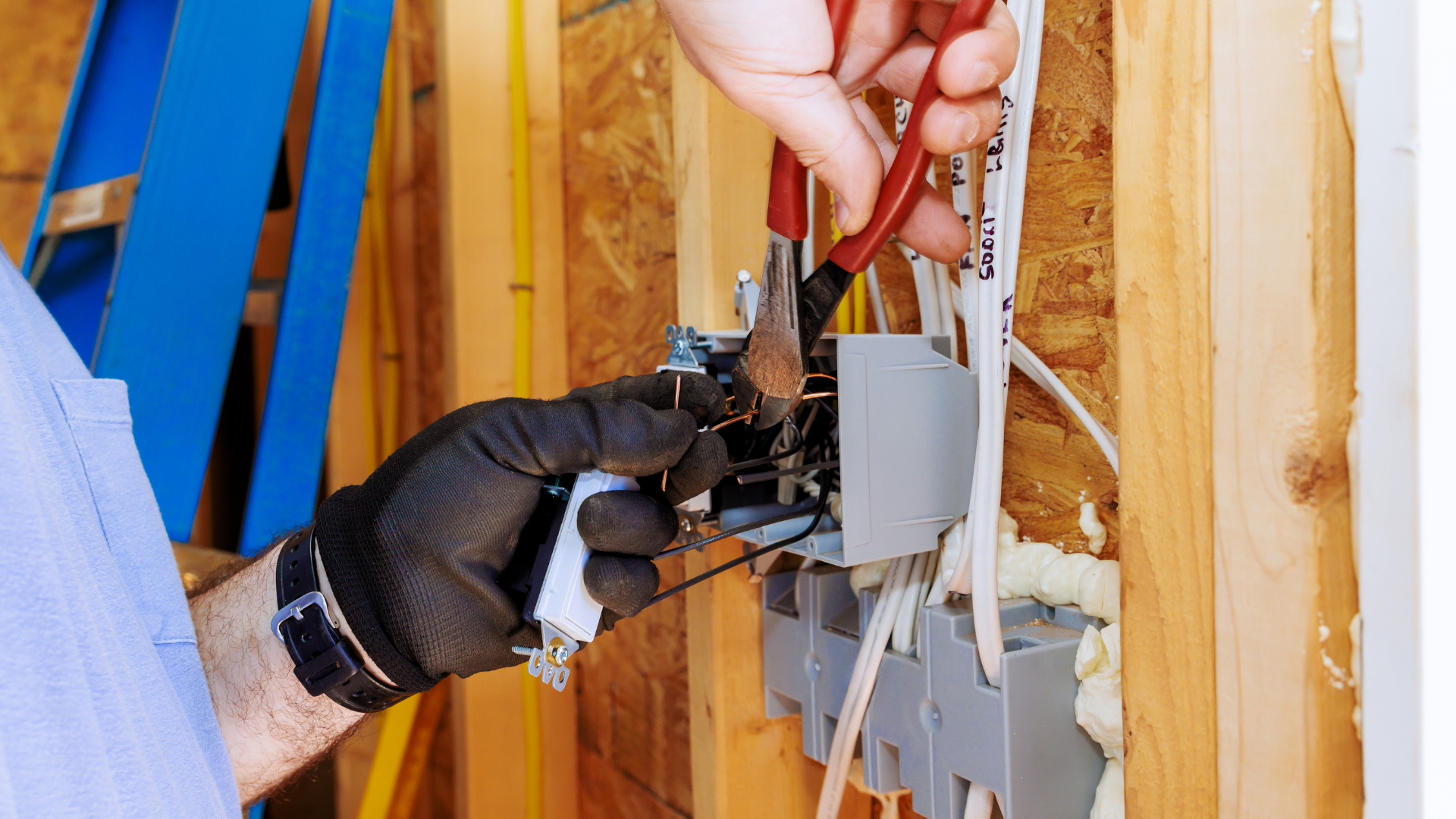
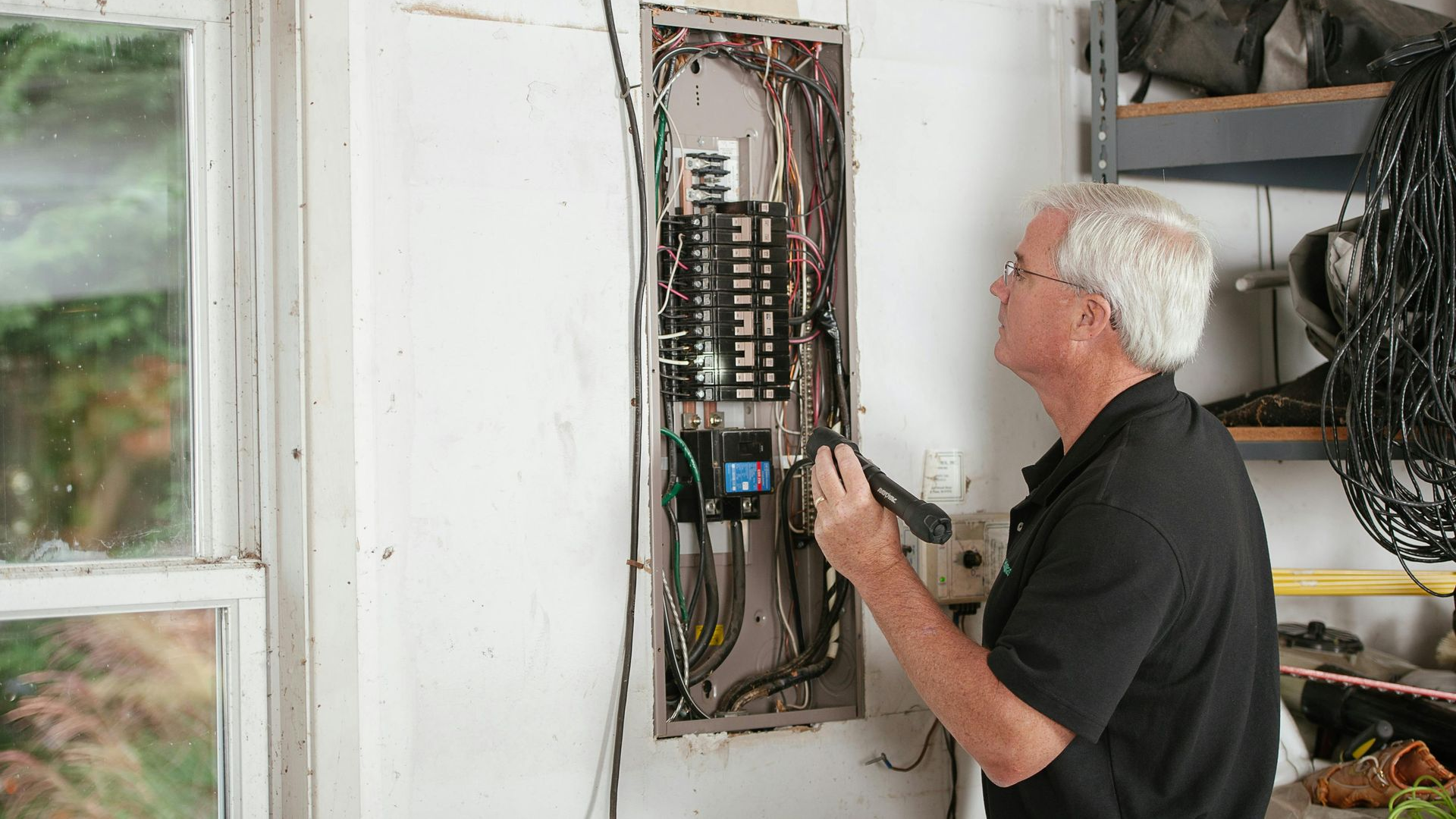
Faulty wiring and overloaded circuits are leading causes of residential and commercial fires. According to the National Fire Protection Association, electrical faults account for thousands of fires each year in the United States. Many of these incidents begin with small, undetected issues such as loose connections, frayed wires, or malfunctioning breakers.
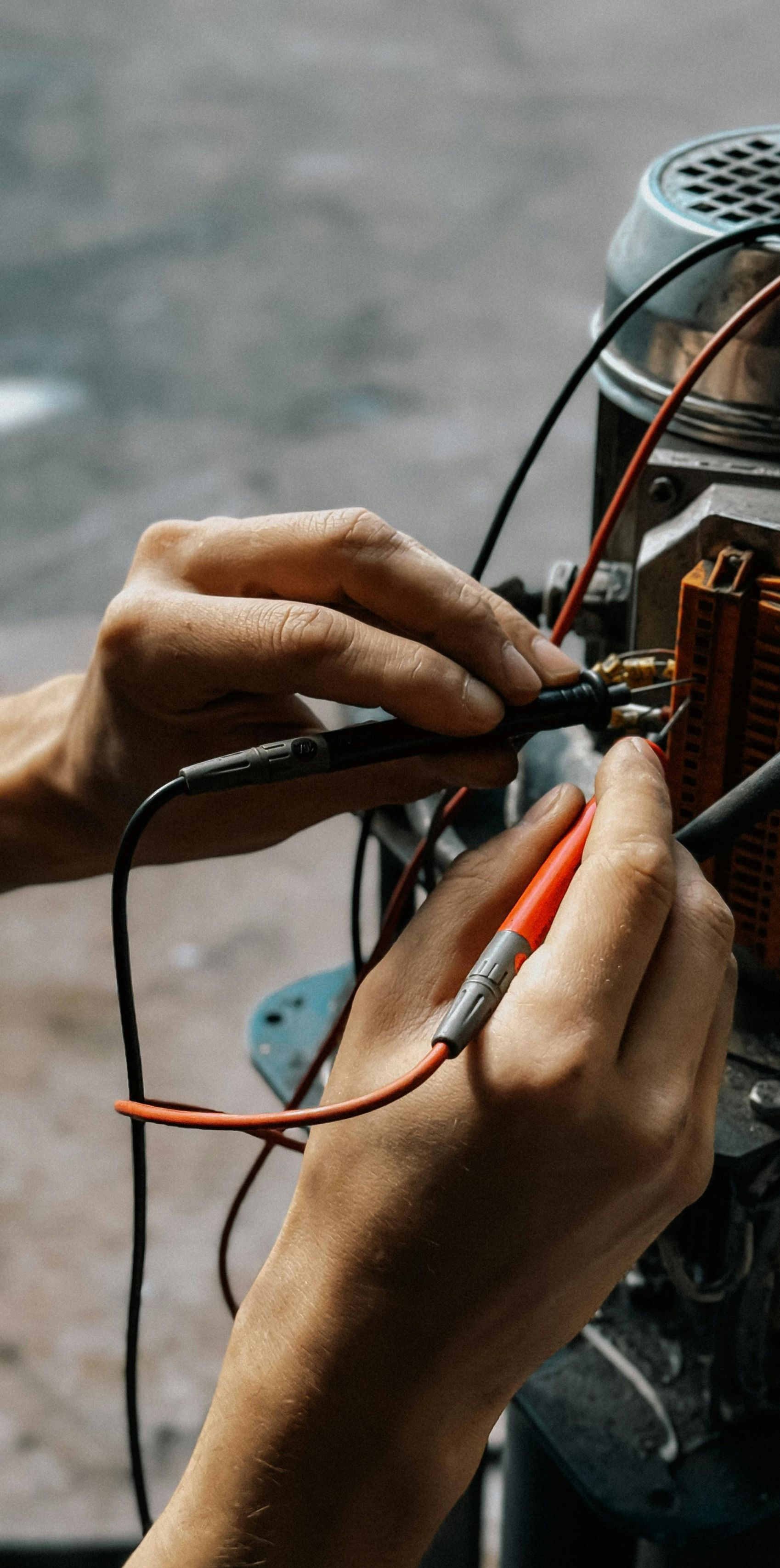
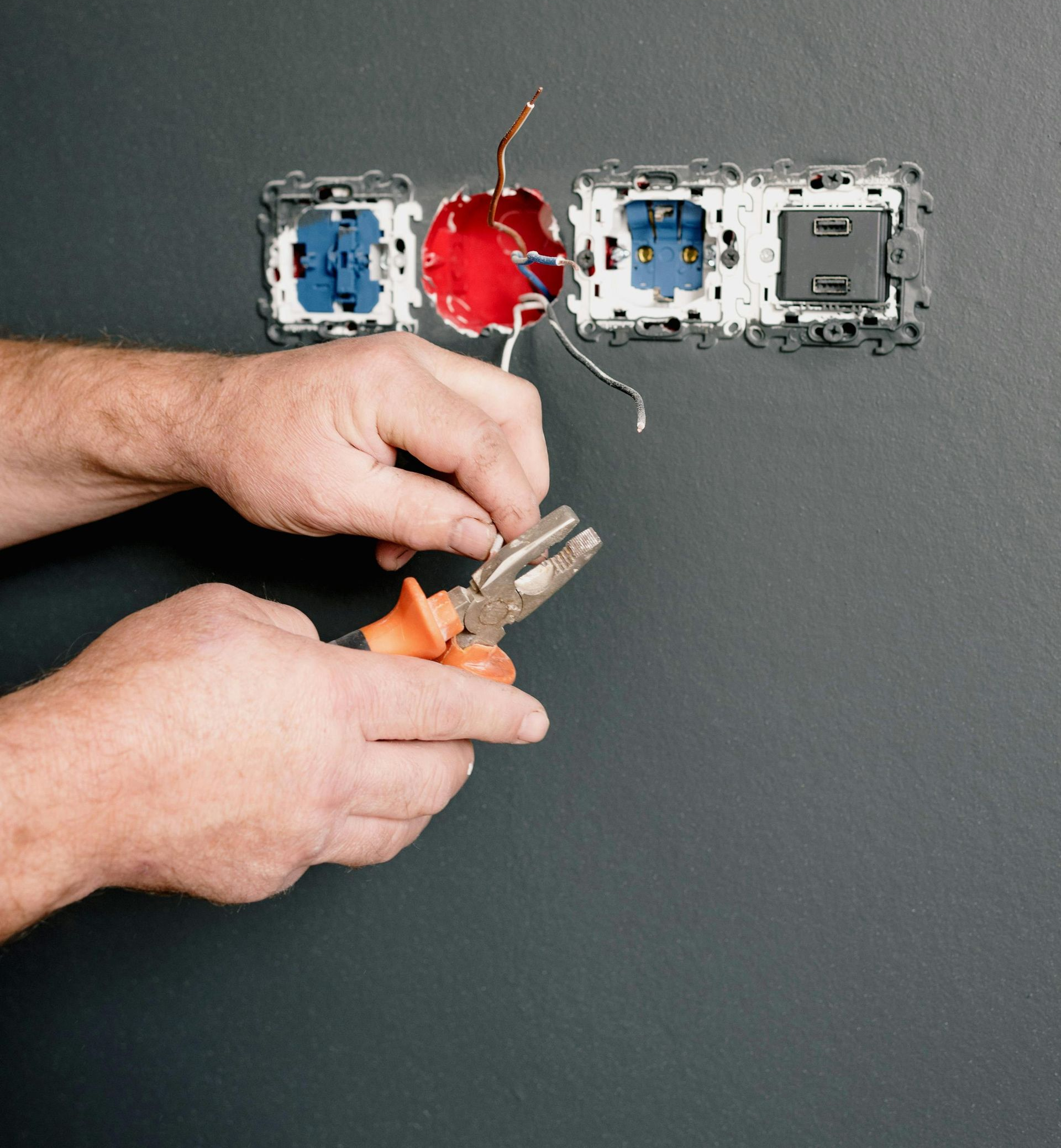
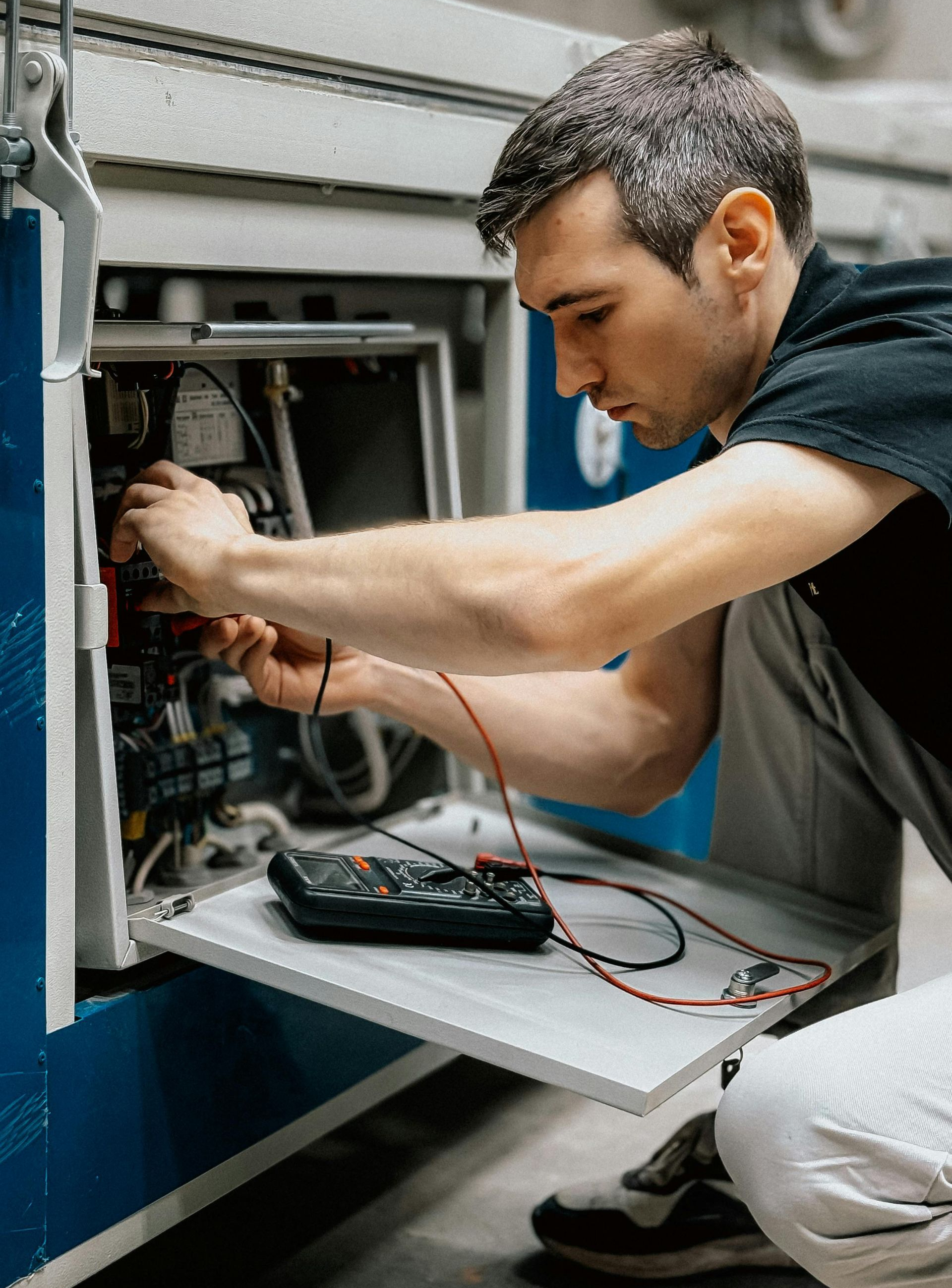
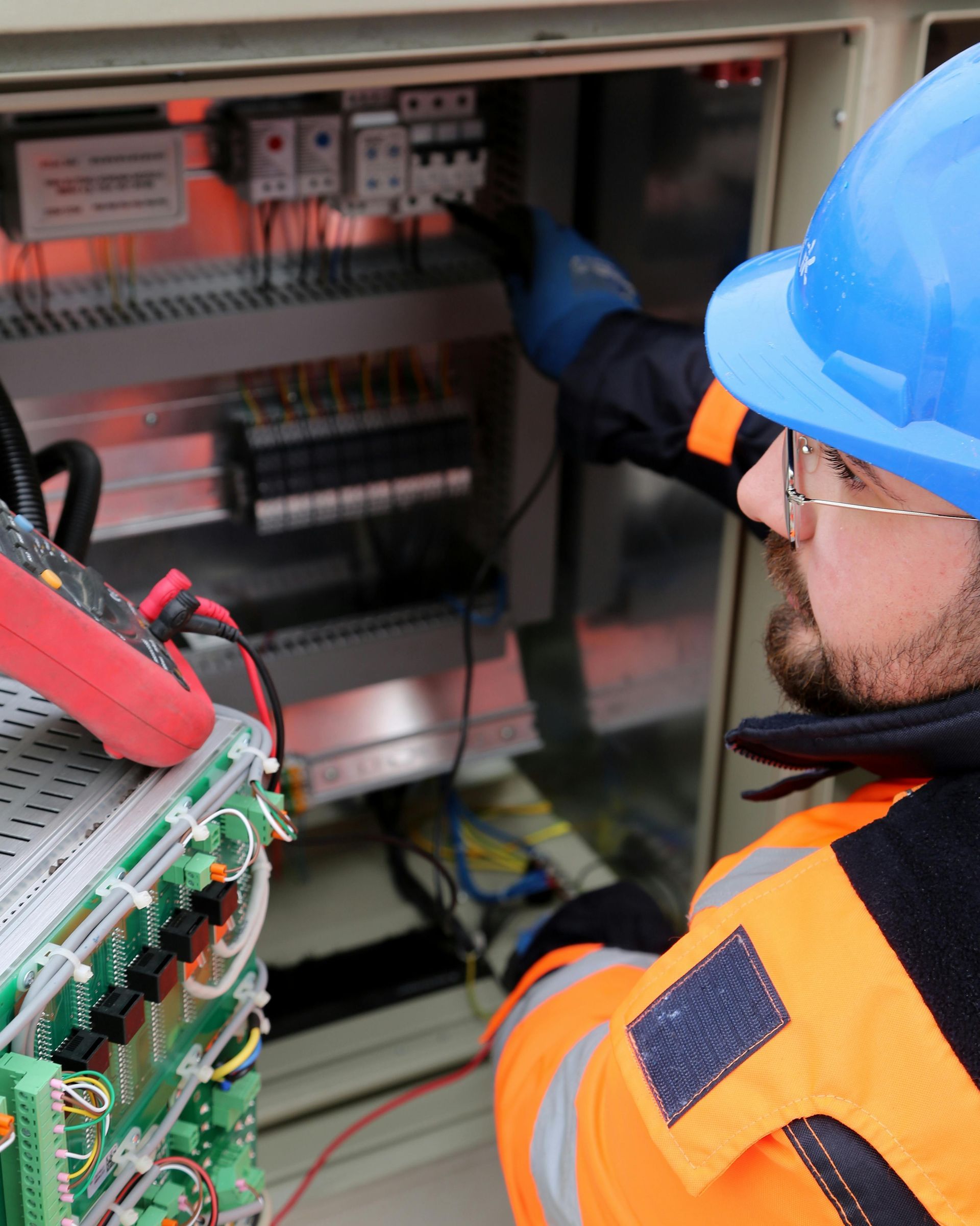
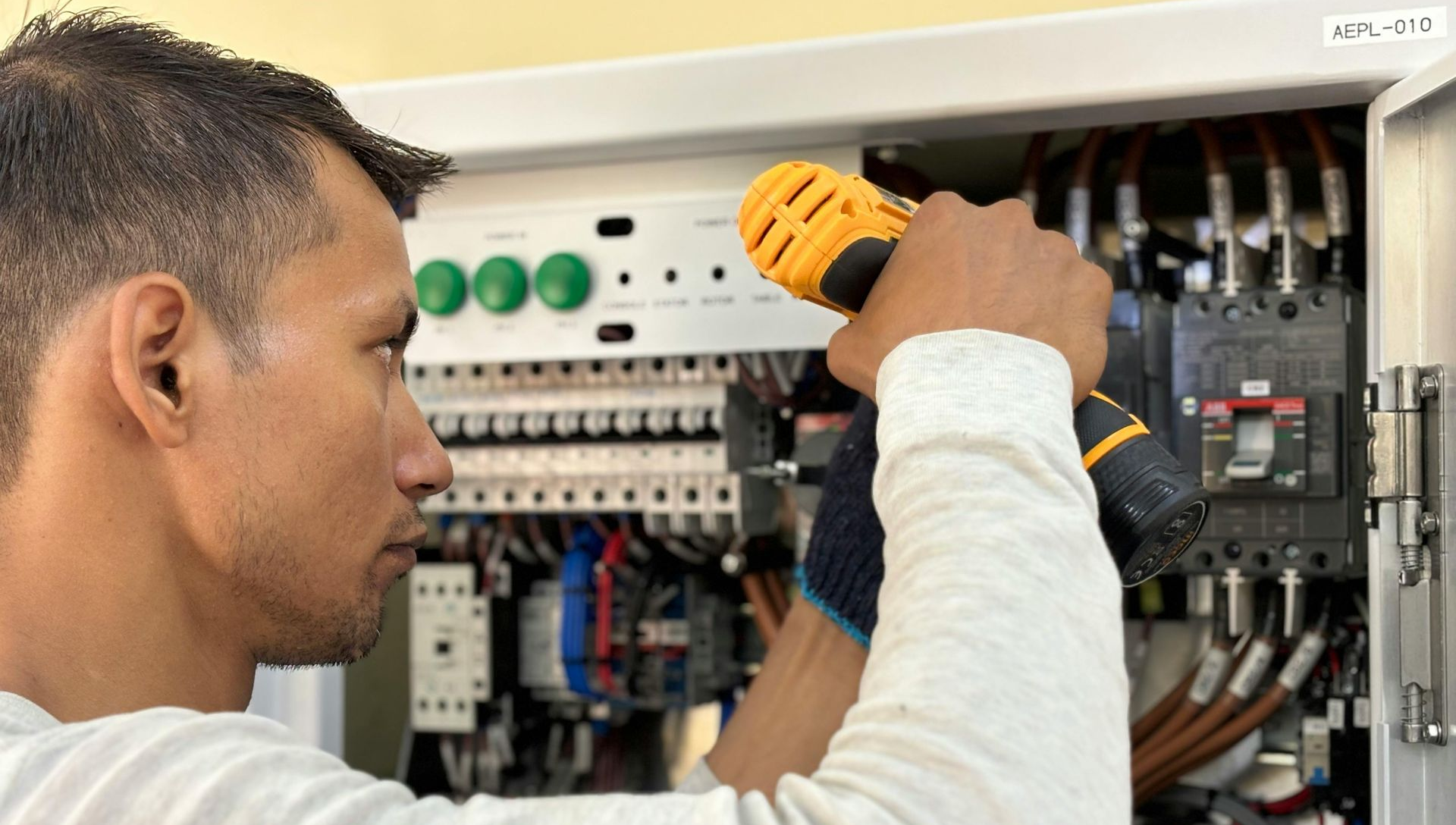
During an inspection, our licensed electricians test circuits, check breaker performance, and examine outlets for signs of overheating or arcing. By correcting these problems before they escalate, we reduce the risk of fire and improve overall electrical reliability.
Ensuring Code Compliance and Insurance Requirements
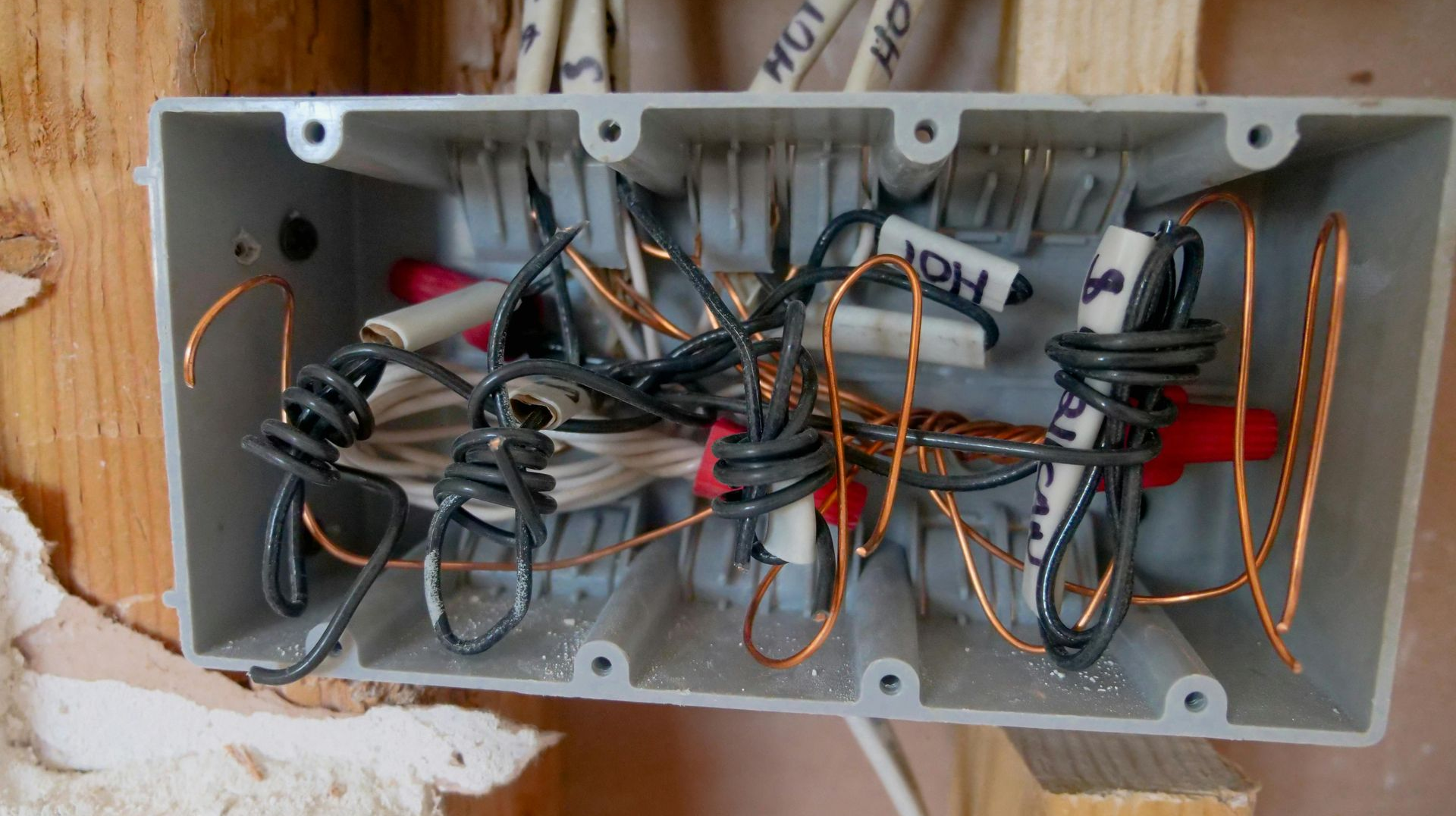
Electrical codes evolve regularly to reflect new safety standards and technologies. Buildings that have not been inspected in several years may no longer comply with current NEC regulations. Non-compliance not only increases safety risks but can also create problems during insurance claims or property sales.
Insurance providers often require documentation that verifies an electrical system is safe and up to code. A regular inspection ensures that your property remains compliant, helping you avoid liability and maintain your coverage. For business owners, inspections can also demonstrate a proactive commitment to workplace safety, which supports regulatory compliance and employee well-being.
Detecting Inefficiency and Saving Energy
An overlooked benefit of routine inspections is improved energy efficiency. Faulty wiring, damaged insulation, or aging equipment can cause power loss and increase utility costs. Identifying and correcting these inefficiencies can lead to measurable energy savings.
At ESD Electric, we use advanced testing equipment to detect irregular voltage drops and energy loss. These findings often lead to simple repairs or upgrades that not only make the system safer but also reduce energy waste over time.

When to Schedule an Electrical Inspection
We recommend scheduling a full electrical safety inspection every three to five years for most homes and commercial buildings. However, certain situations call for more frequent evaluations. You should schedule an inspection if:
- You have recently purchased or remodeled a property.
- You notice frequent tripped breakers or flickering lights.
- Your building has older wiring or outdated panels.
- You have added new high-energy appliances or equipment.
Our electricians provide detailed inspection reports outlining any hazards or inefficiencies we find, along with clear recommendations for correction. Whether you manage a commercial property or own a home, routine inspections are one of the most effective ways to prevent electrical emergencies.
Final Thoughts
Electrical safety inspections are an investment in peace of mind. They prevent hazards, ensure compliance, and extend the lifespan of your electrical system. Ignoring routine inspections may save time in the short term, but it increases the likelihood of costly and dangerous failures later on.
At ESD Electric, we are committed to helping our clients maintain safe, reliable, and energy-efficient electrical systems. Our experienced electricians provide thorough inspections, transparent reporting, and professional service for homes and businesses throughout the community. Contact us today to schedule your next electrical safety inspection and keep your property protected year-round.