How Smart Home Technology Is Changing Residential Electrical Systems
Smart home technology has become one of the most significant developments in modern residential living. What once seemed like a futuristic concept is now becoming a standard feature in many homes. From automated lighting and smart thermostats to intelligent security systems and connected appliances, smart devices are transforming how homeowners interact with their electrical systems.
As more households adopt these technologies, the role of residential electrical infrastructure has become increasingly important. Smart homes depend on reliable electrical systems that can support a growing network of connected devices. Understanding how smart technology works and how it affects a home’s electrical system can help homeowners prepare for the future.
The Rise of Connected Devices
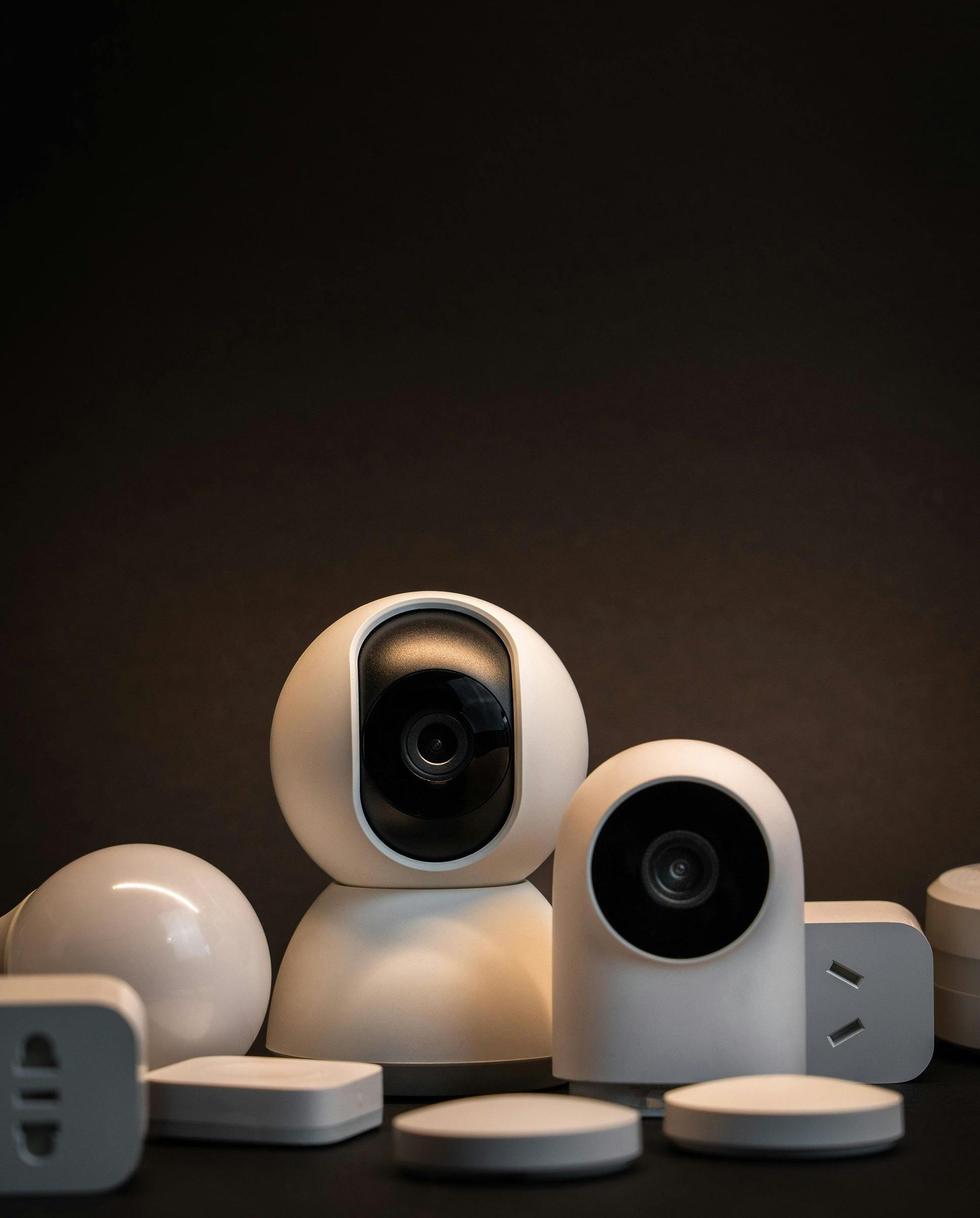
Smart home technology refers to devices that connect to a home network and allow users to monitor or control systems remotely through smartphones, tablets, or voice assistants. These devices often communicate through Wi-Fi or other wireless protocols, enabling homeowners to adjust lighting, temperature, security cameras, and other features from virtually anywhere.
Common examples of smart home technology include:
- Smart lighting systems
- Smart thermostats
- Voice-activated assistants
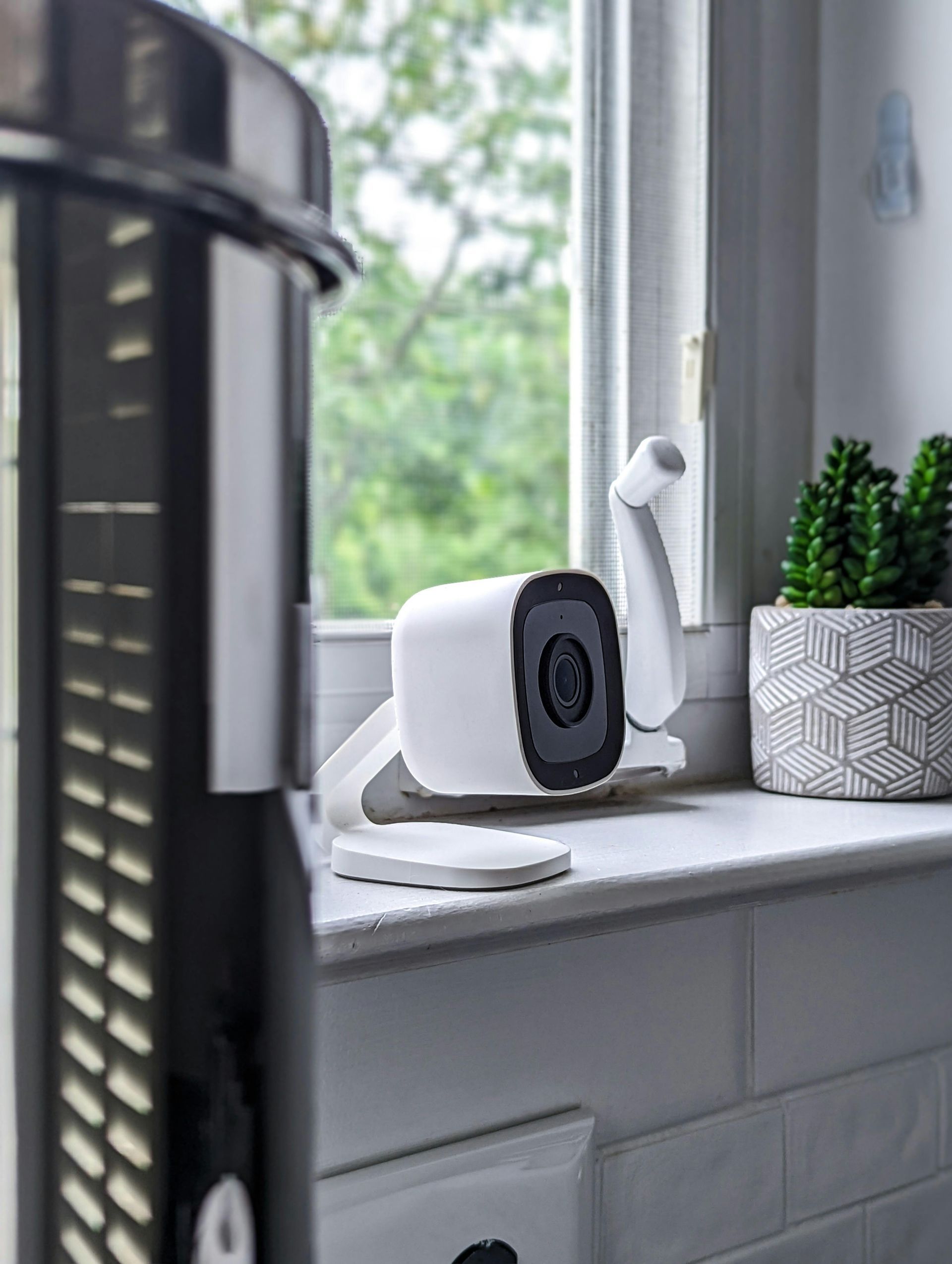
- Video doorbells and security cameras
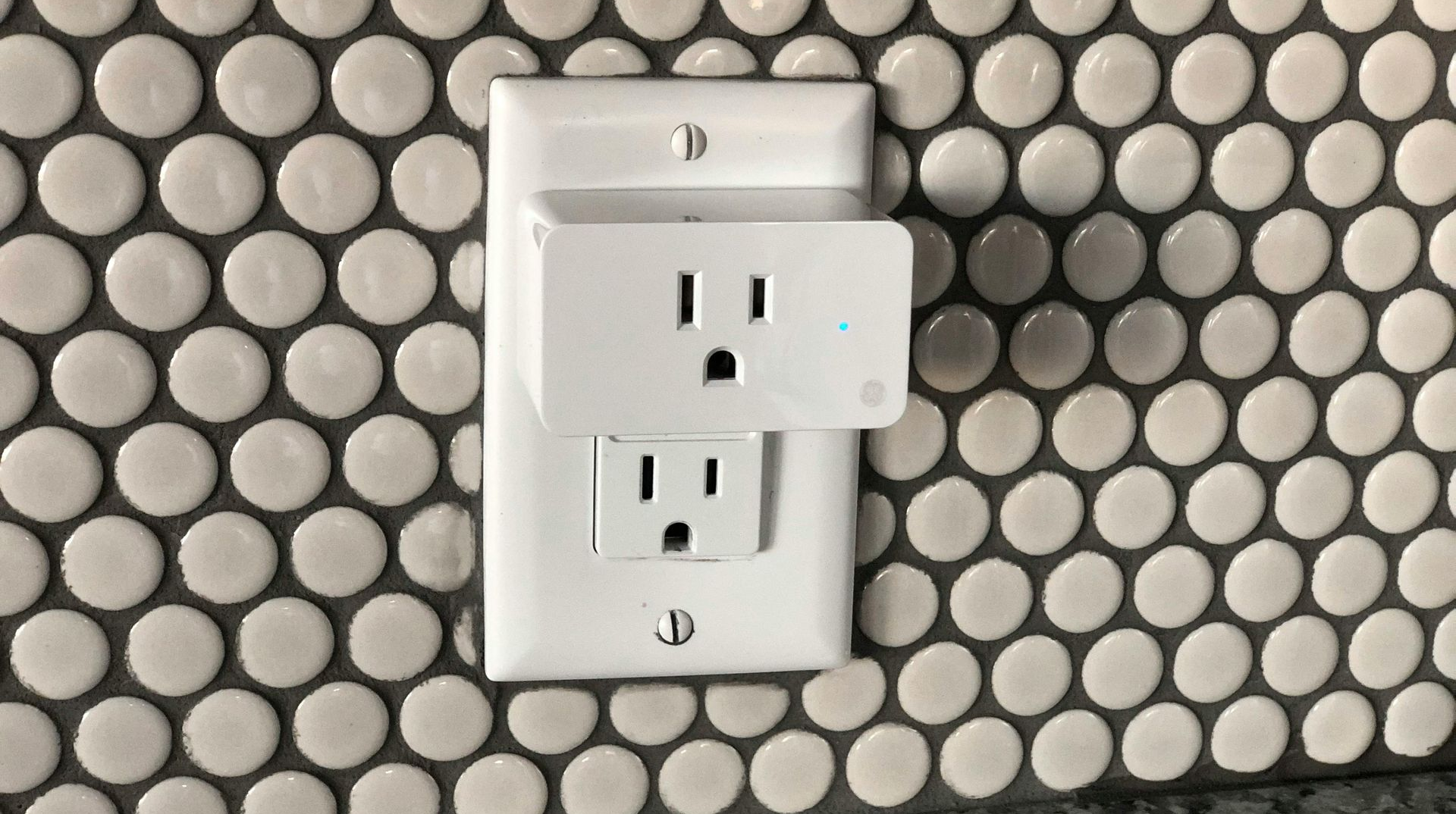
- Smart plugs and outlets
- Automated blinds and garage doors
While these devices are
designed to simplify everyday life, they also place new demands on a home’s electrical system.
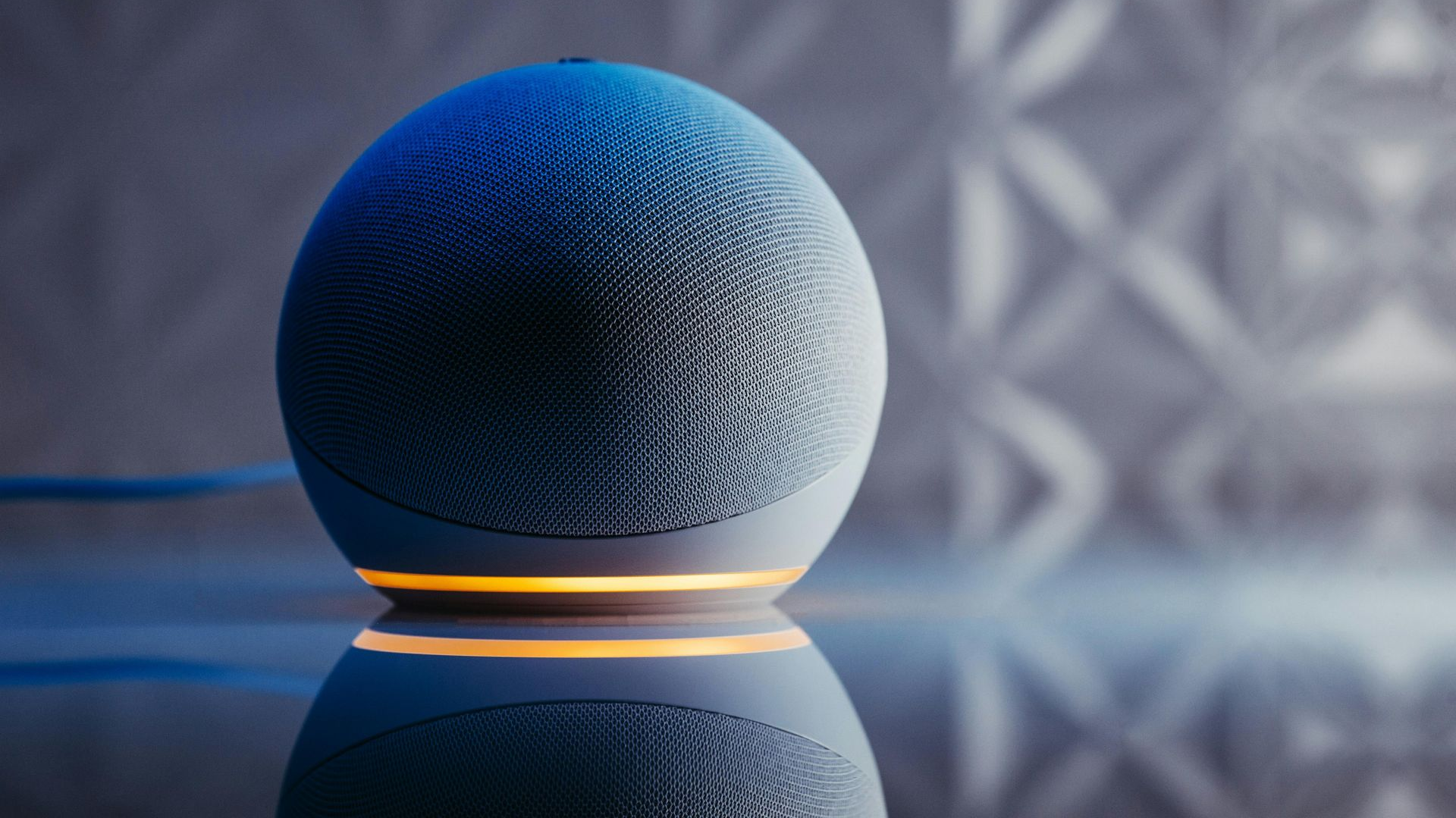
Smart Lighting Systems
One of the most popular smart home upgrades involves lighting. Smart lighting systems allow homeowners to control lights through mobile apps, timers, or voice commands. Lights can automatically turn on when someone enters a room, dim in the evening, or shut off when the house is empty.
Smart lighting systems also allow homeowners to create custom schedules that improve convenience and energy efficiency. Instead of manually switching lights on and off throughout the day, automated controls handle the process.
Installing these systems may involve new wiring, upgraded switches, or specialized control hubs that integrate with a home’s electrical infrastructure.

Smart Outlets and Energy Monitoring
Smart outlets and smart plugs allow homeowners to monitor and control power usage at individual devices. With these tools, users can turn appliances on or off remotely or schedule them to operate at certain times.
Some systems even track energy consumption, helping homeowners identify which devices use the most electricity. This information can lead to more efficient energy use and lower utility bills.
However, proper installation is important to ensure that outlets and circuits can safely handle the connected equipment.
The Importance of Electrical Capacity
As smart homes expand, electrical capacity becomes an important consideration. Many homes built decades ago were not designed to support the large number of electronics and smart devices used today.
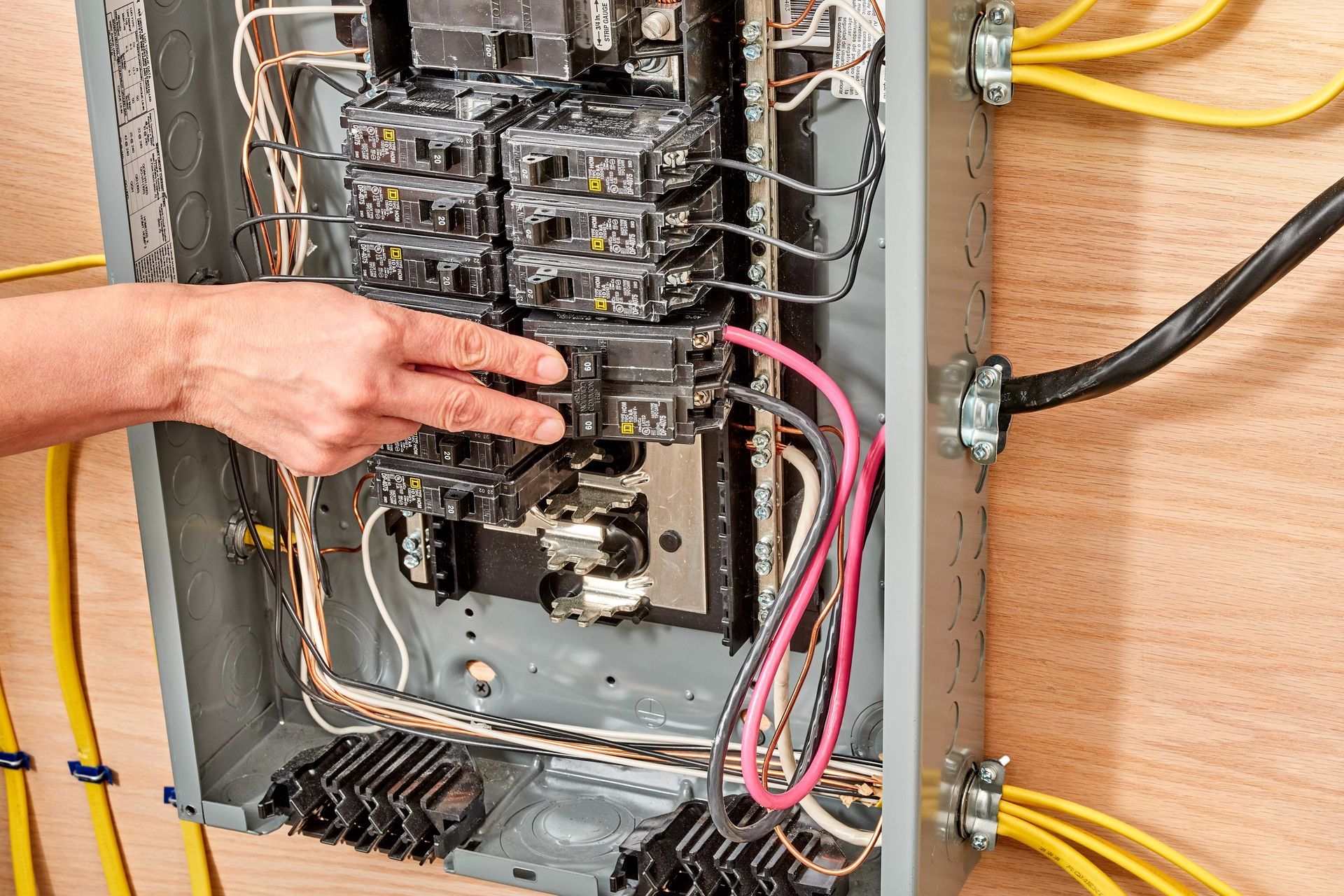
Electrical panels, circuits, and wiring must be capable of handling the added load created by connected devices, smart appliances, and automated systems. In some cases, upgrades such as panel replacements or additional circuits may be necessary.
A qualified electrician can evaluate whether a home’s electrical system can support new technology safely and efficiently.
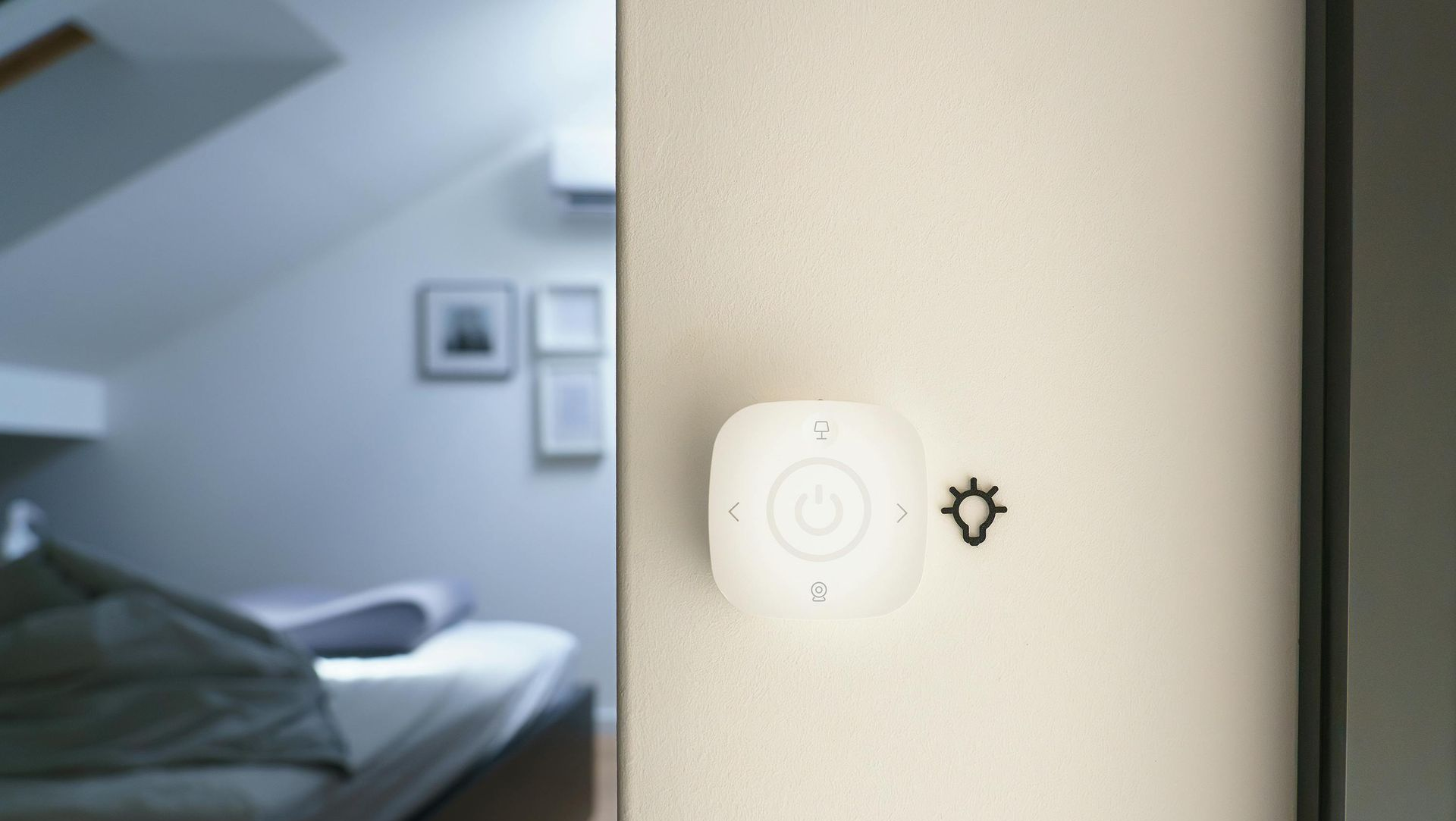
Integration with Security and Safety Systems
Smart home technology also plays an increasing role in residential safety. Modern systems can integrate smoke detectors, carbon monoxide detectors, security cameras, and motion sensors into a single network.
These systems allow homeowners to receive alerts immediately when unusual activity occurs. Some systems can even automatically contact emergency services or activate lighting during security events.
Because these safety devices rely on electricity and connectivity, proper installation ensures they remain reliable when they are needed most.

Preparing Homes for the Future
Smart home technology continues to evolve rapidly. As more appliances, entertainment systems, and home utilities become connected, electrical infrastructure must keep pace.
Homeowners considering smart upgrades should ensure their electrical systems are capable of supporting new devices safely. Working with a professional electrician can help identify necessary upgrades and ensure installations meet safety standards.
At ESD Electric, we help homeowners modernize their electrical systems to support today’s connected technologies. Whether installing smart lighting, upgrading electrical panels, or preparing homes for new devices, our team ensures that electrical systems are safe, reliable, and ready for the future.
Smart home technology offers convenience, efficiency, and enhanced safety. With the right electrical foundation, homeowners can enjoy the full benefits of a connected home while ensuring their electrical systems remain dependable for years to come.