Electrical Safety Tips for Home Renovations and Additions
Home renovations and additions are exciting projects. Whether you are updating a kitchen, finishing a basement, or adding square footage to your home, improvements often bring greater comfort and functionality. However, one critical component is sometimes overlooked during planning: the electrical system. Renovations frequently increase electrical demand, and failing to address this properly can create safety risks and long-term performance issues.
Careful electrical planning ensures that new spaces operate efficiently and safely for years to come.

Evaluate Your Current Electrical Capacity
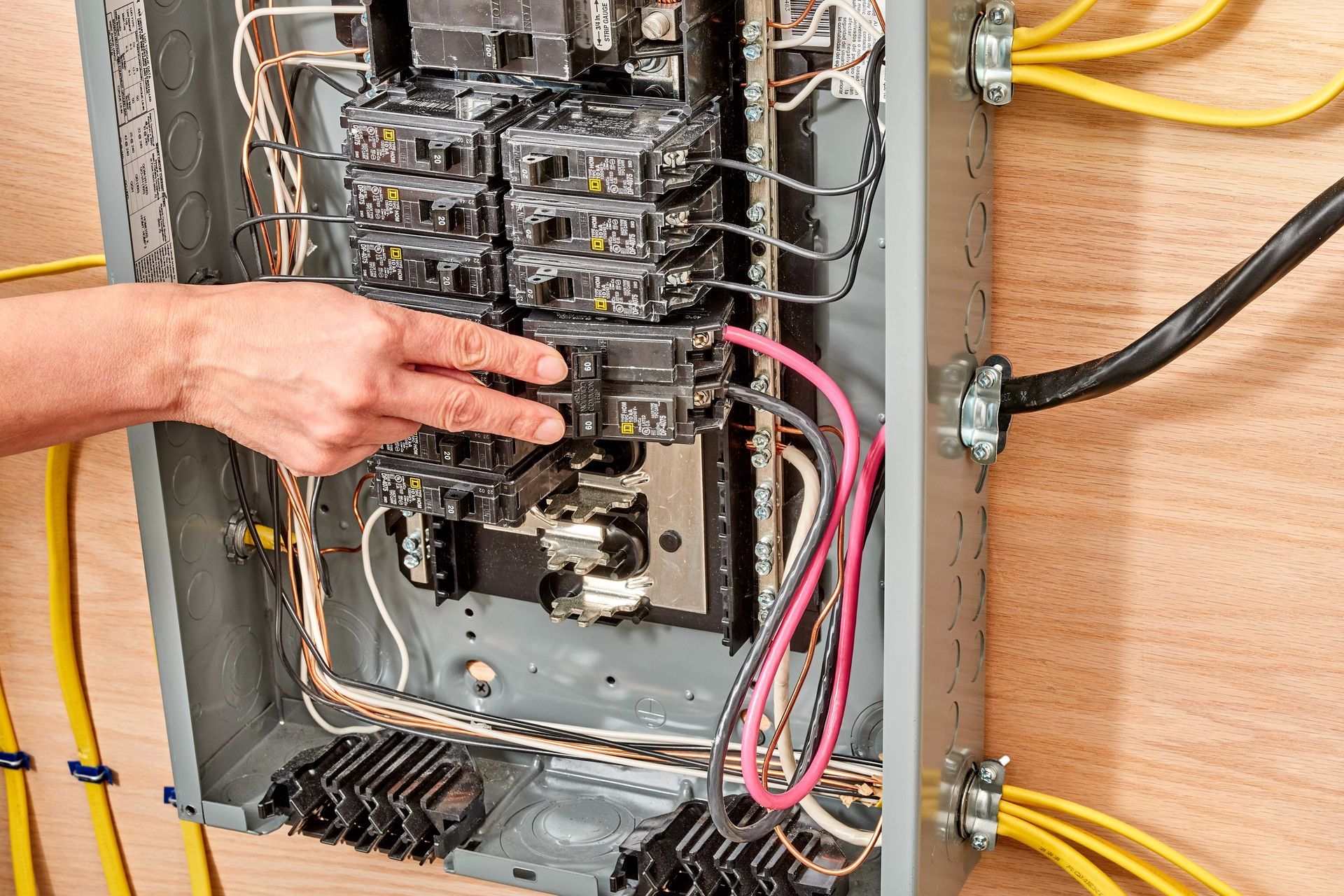
Before beginning any renovation, it is important to determine whether your existing electrical panel can handle the added load. Modern homes rely on more appliances and electronic devices than ever before. Adding new lighting, outlets, HVAC equipment, or kitchen appliances may exceed the capacity of an older panel.
A professional
load calculation evaluates how much power your home currently uses and how much additional demand the renovation will create. If the system is near capacity, a panel upgrade or subpanel installation may be necessary. Addressing this at the start of the project prevents overloaded circuits and nuisance breaker trips later.

Plan for Dedicated Circuits
Certain appliances require dedicated circuits to operate safely. Items such as ovens, refrigerators, microwaves, sump pumps, and HVAC systems often draw significant current. During a renovation, it is important to confirm that these devices are properly supported.
Installing
dedicated circuits prevents overload conditions and reduces the risk of overheating wires. It also ensures that one appliance will not interrupt power to others if a breaker trips.

Ensure Proper Wiring for Modern Standards
If your home is older, existing wiring may not meet current safety standards. In some cases, wiring insulation may have deteriorated over time. Renovation projects provide an opportunity to inspect and update outdated wiring before walls are closed and finishes are installed.
Aluminum wiring, insufficient grounding, or outdated outlets can present safety hazards. Upgrading to modern wiring methods improves reliability and reduces fire risk. It also ensures compliance with current electrical codes.

Address Lighting Design Thoughtfully
Lighting is often a focal point in renovations, particularly in kitchens, bathrooms, and living spaces. However, proper electrical planning must accompany design choices. Recessed lighting, under-cabinet lighting, and smart lighting systems may require additional circuits or upgraded switches.
Careful planning also helps prevent voltage drops and flickering issues. Working with a licensed electrician ensures that new lighting installations are safely integrated into the existing system.

Consider Surge Protection
Renovations frequently include new electronics and appliances. Whole-home surge protection can help safeguard these investments from voltage spikes caused by storms or utility fluctuations.
Installing surge protection at the panel level offers an added layer of defense for sensitive equipment. This is particularly important when adding home offices, entertainment systems, or advanced kitchen appliances.

Outdoor Additions Require Special Attention
Deck expansions, outdoor kitchens, and detached garages often require new exterior outlets and lighting. Outdoor electrical installations must be weather-rated and properly protected from moisture exposure.
Grounding and bonding practices are especially important in outdoor environments. Ensuring that exterior circuits are safely installed reduces the risk of electrical shock and equipment damage.

Permits and Code Compliance Matter
Electrical work associated with renovations typically requires permits and inspections. Code requirements exist to protect homeowners and ensure safe installation practices. Attempting unpermitted or improper electrical modifications can create hazards and complications during future home sales.
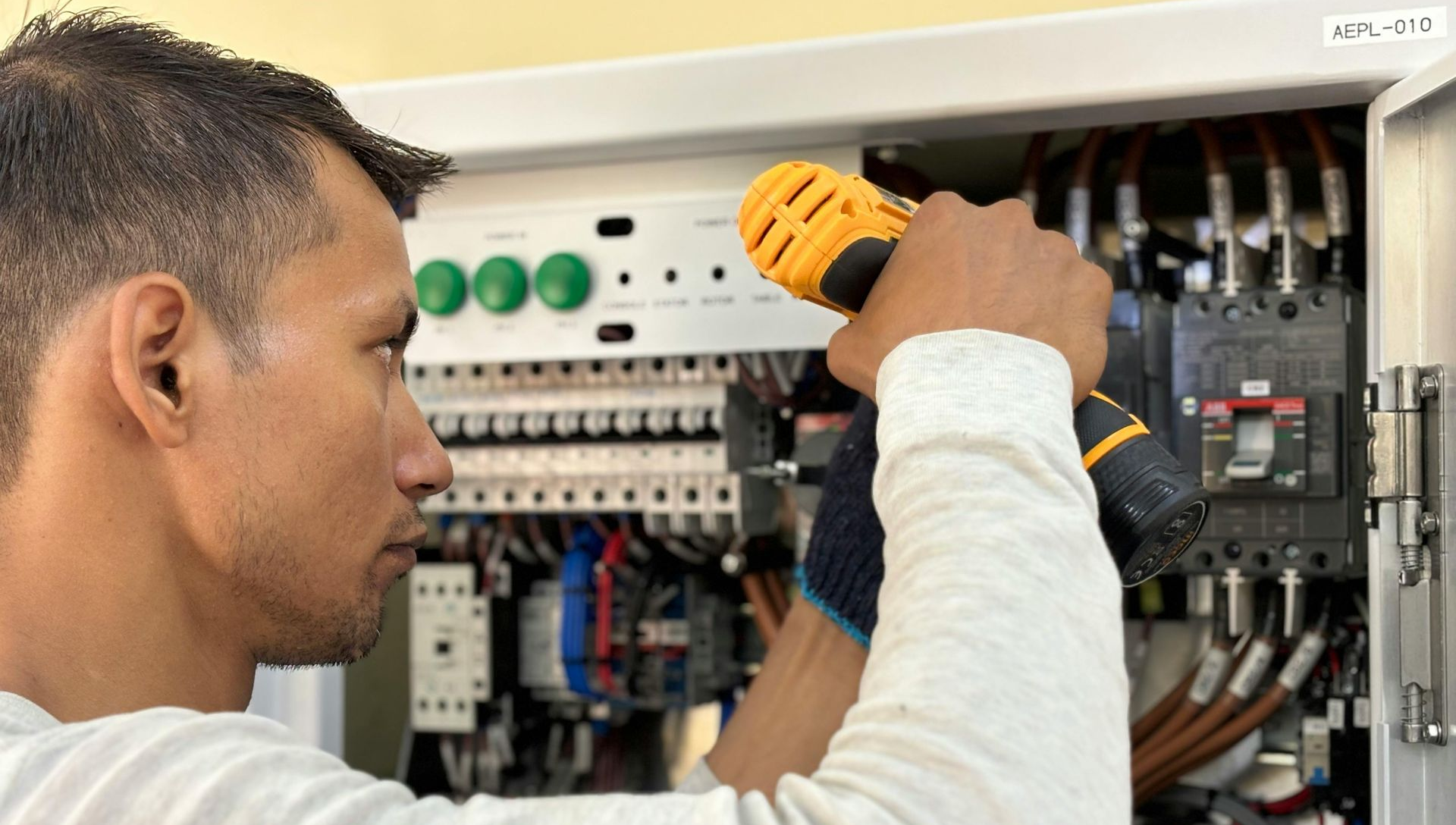
A licensed electrician understands local codes and inspection processes. Ensuring that all work is performed and documented properly protects both safety and property value.

Build With Safety in Mind
Renovations and additions are opportunities to improve your home’s functionality and comfort. They are also ideal times to strengthen your electrical infrastructure. Evaluating panel capacity, installing dedicated circuits, upgrading wiring, and ensuring code compliance all contribute to a safer and more reliable system.
At ESD Electric, we work closely with homeowners and contractors to ensure electrical systems are properly designed and installed during renovation projects. Careful planning today prevents costly problems tomorrow and keeps your home operating safely as your needs evolve.