
BLOG

Unsafe home wiring Carlsbad signs explained. Learn fire risk warnings and when to book an electrical inspection with ESD Electric today.
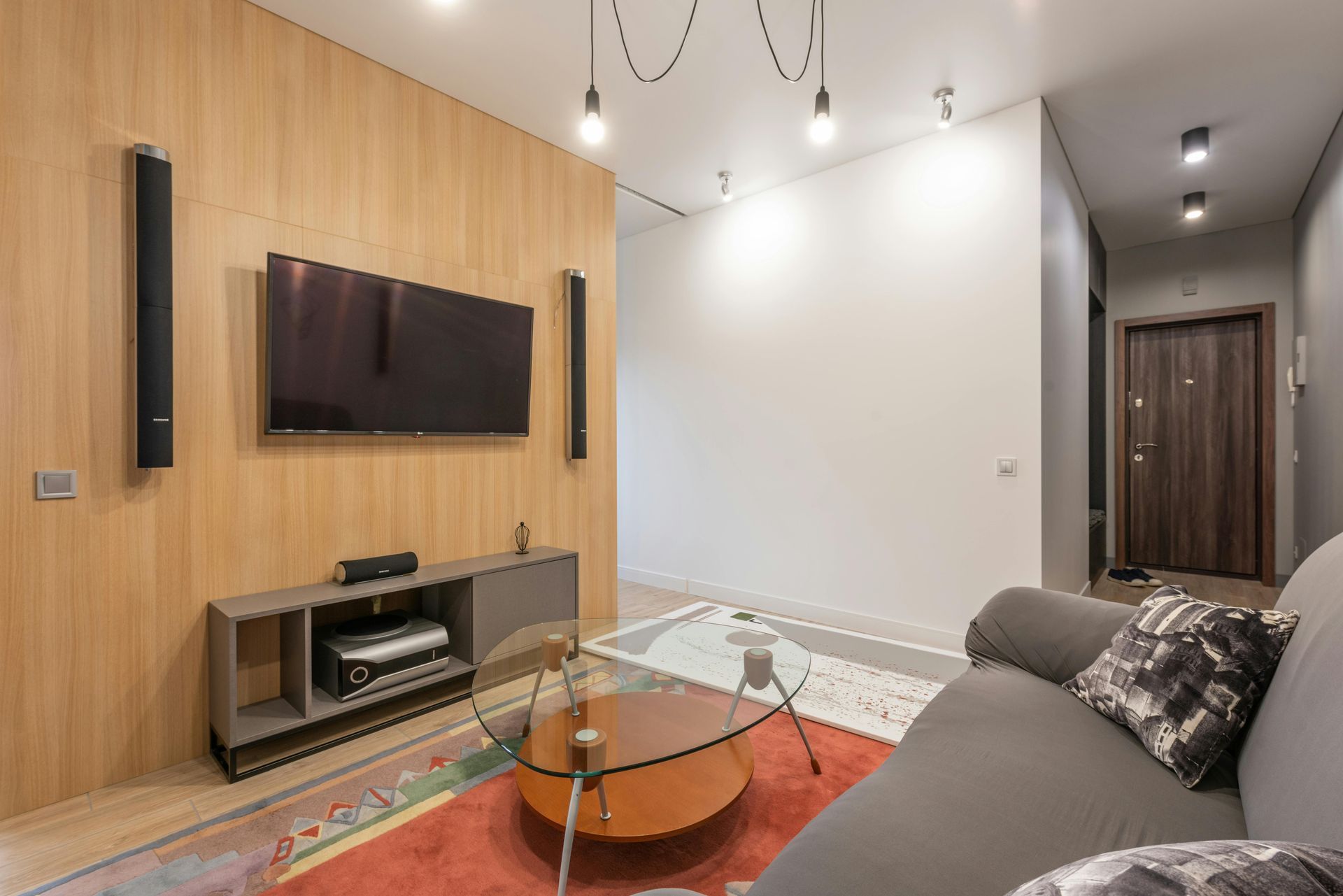
Smart home technology has become one of the most significant developments in modern residential living. What once seemed like a futuristic concept is now becoming a standard feature in many homes. From automated lighting and smart thermostats to intelligent security systems and connected appliances, smart devices are transforming how homeowners interact with their electrical systems. As more households adopt these technologies, the role of residential electrical infrastructure has become increasingly important. Smart homes depend on reliable electrical systems that can support a growing network of connected devices. Understanding how smart technology works and how it affects a home’s electrical system can help homeowners prepare for the future.
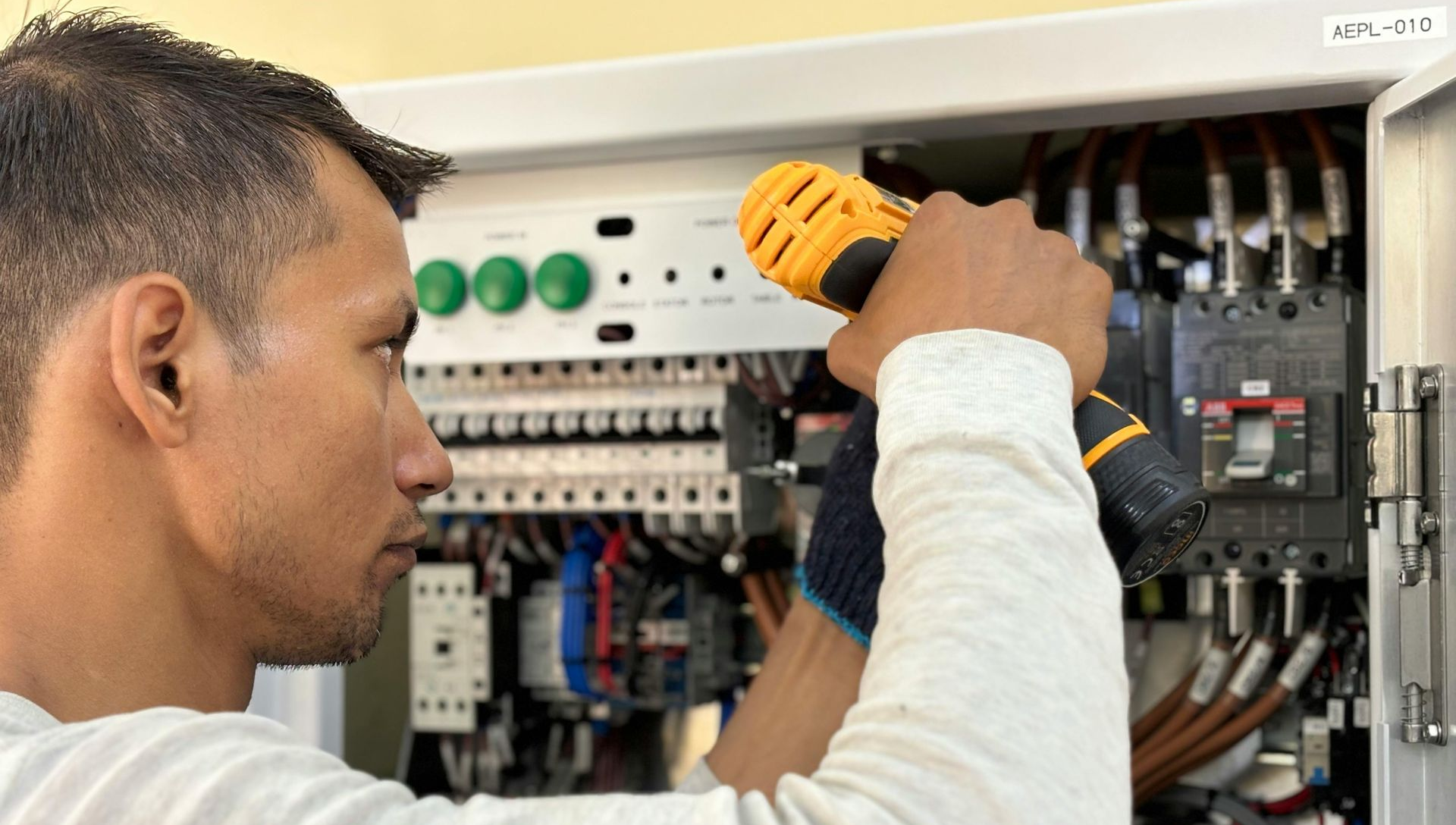
As homes and commercial spaces evolve, so do their electrical demands. Additional appliances, workshops, home offices, electric vehicle chargers, and renovations all place new strain on existing electrical systems. One solution that often provides both flexibility and safety is a subpanel installation. At ESD Electric, we regularly install subpanels for homeowners and businesses looking to expand their electrical capacity in a safe, organized, and code-compliant manner. Understanding what a subpanel is, how it works, and when it is needed can help property owners make informed decisions about upgrading their electrical systems.
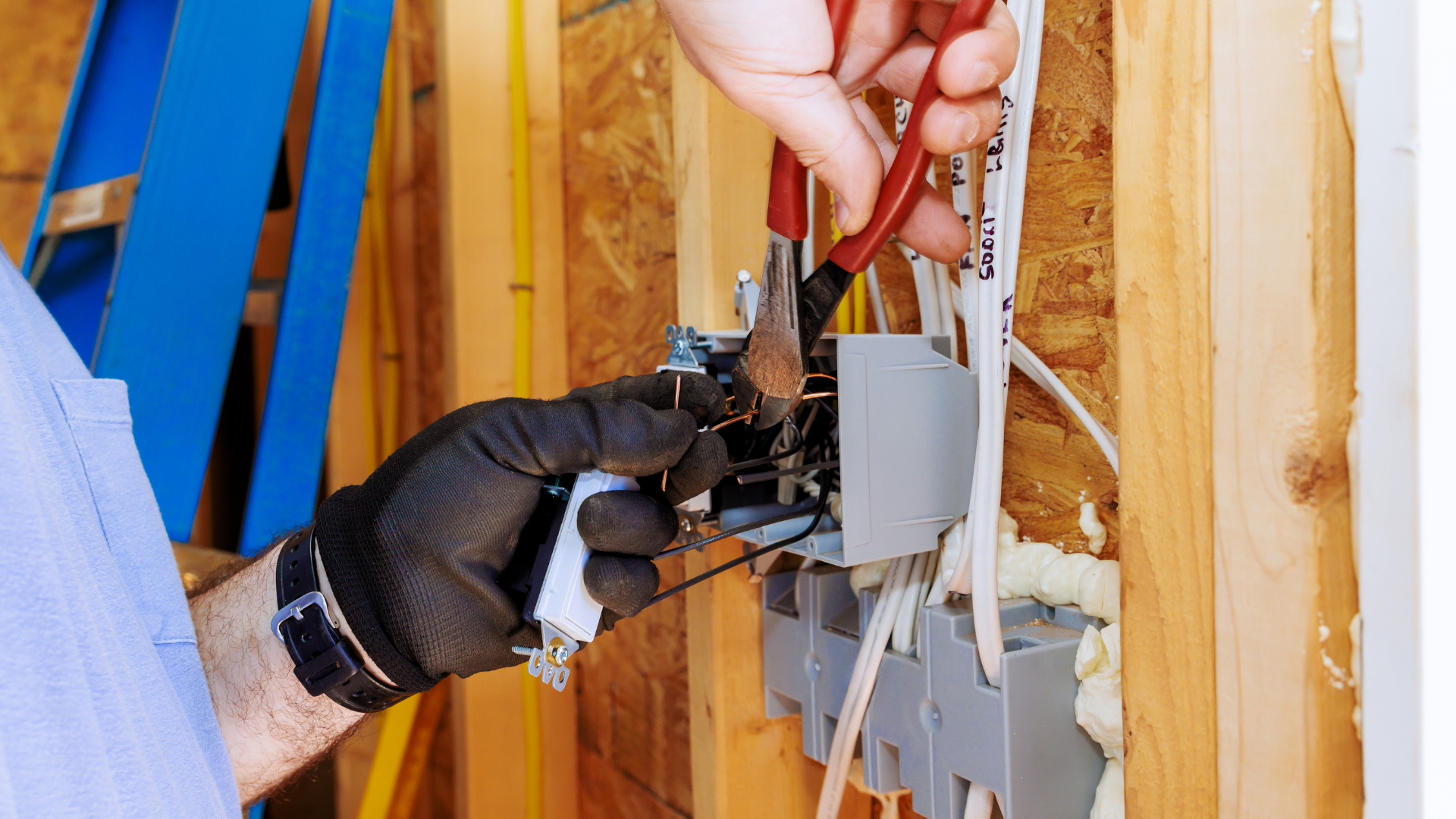
Home renovations and additions are exciting projects. Whether you are updating a kitchen, finishing a basement, or adding square footage to your home, improvements often bring greater comfort and functionality. However, one critical component is sometimes overlooked during planning: the electrical system. Renovations frequently increase electrical demand, and failing to address this properly can create safety risks and long-term performance issues. Careful electrical planning ensures that new spaces operate efficiently and safely for years to come.
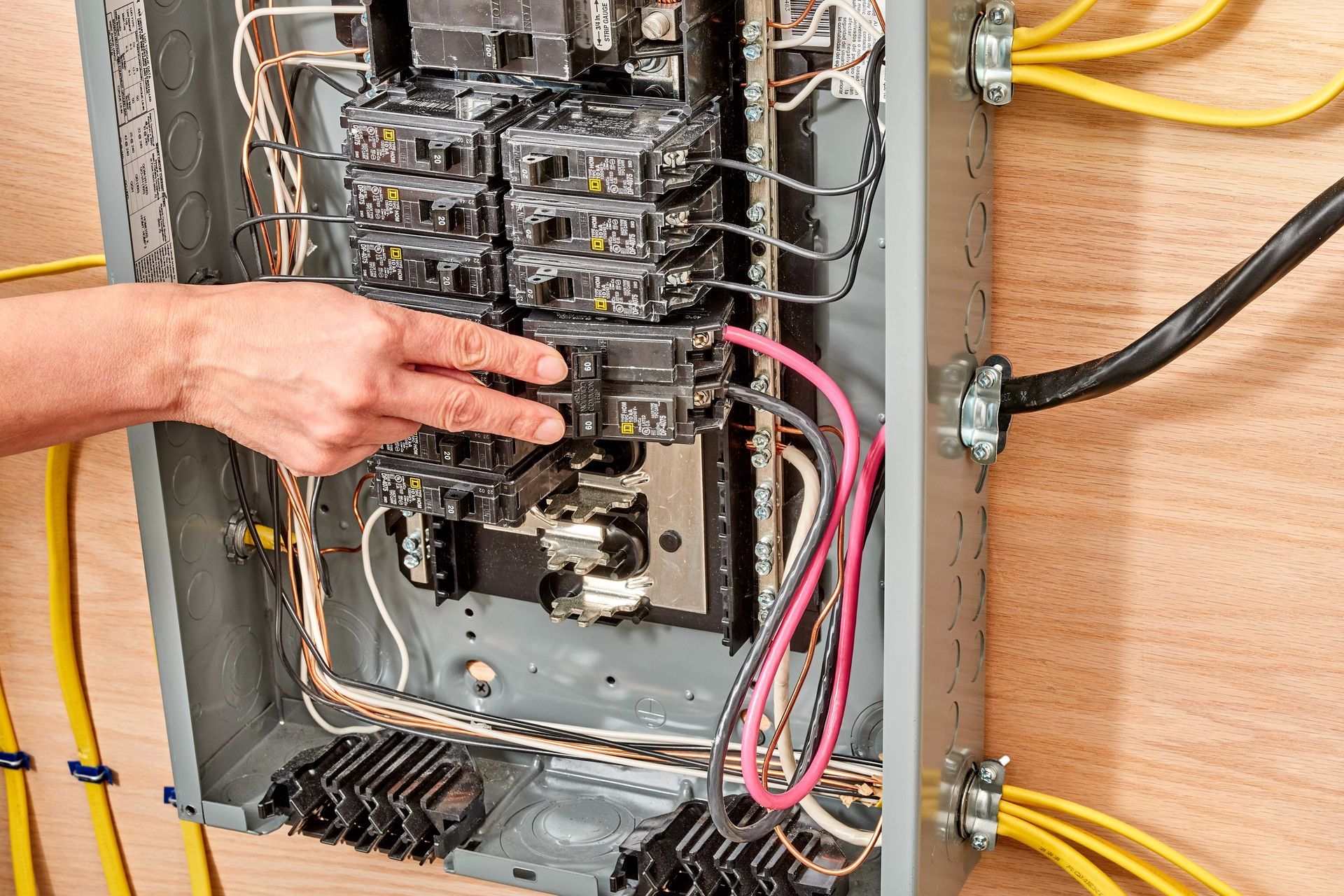
A circuit breaker that trips occasionally can be doing exactly what it is designed to do. A breaker that trips repeatedly is different. Persistent tripping is a warning sign that something within the electrical system needs attention. Ignoring it can lead to damaged equipment, interrupted daily routines, and in some cases, serious safety risks. Understanding why breakers trip repeatedly helps homeowners and business owners recognize when a simple reset is not enough. Overloaded Circuits One of the most common causes of repeated breaker trips is an overloaded circuit . This occurs when too many devices or appliances are drawing power from the same circuit at the same time. Modern homes often rely on more electronics, appliances, and charging equipment than electrical systems were originally designed to handle. When the total electrical demand exceeds the circuit’s capacity, the breaker trips to prevent overheating. Resetting the breaker without addressing the load usually results in another trip.
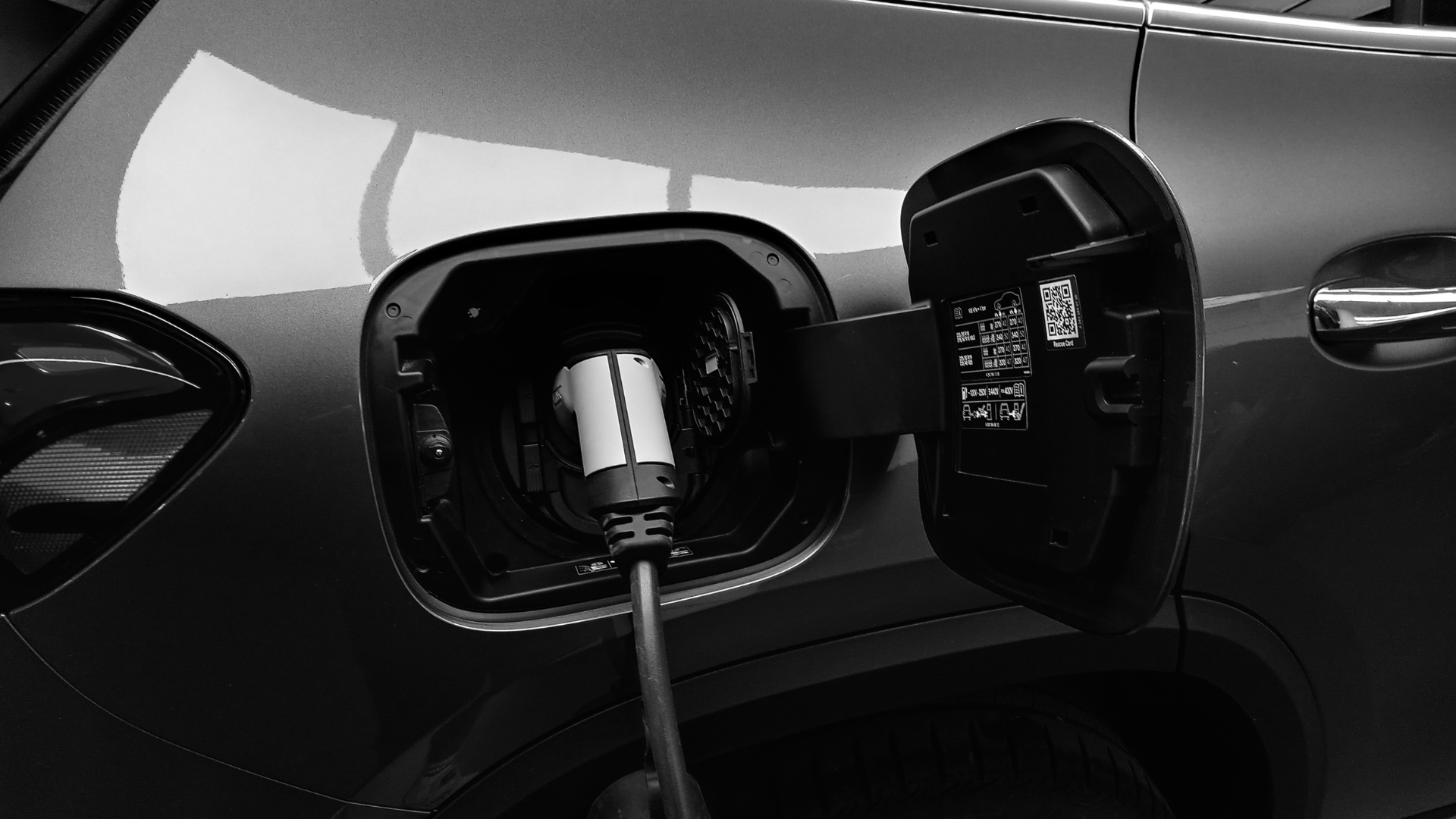
As electric vehicles become more common, many homeowners begin exploring the option of installing a home charging station. One of the first decisions drivers face is choosing between a Level 1 and a Level 2 EV charger . While both serve the same basic purpose, they differ significantly in charging speed, electrical requirements, and overall convenience. Understanding these differences helps homeowners select the option that best fits their driving habits and home electrical system.
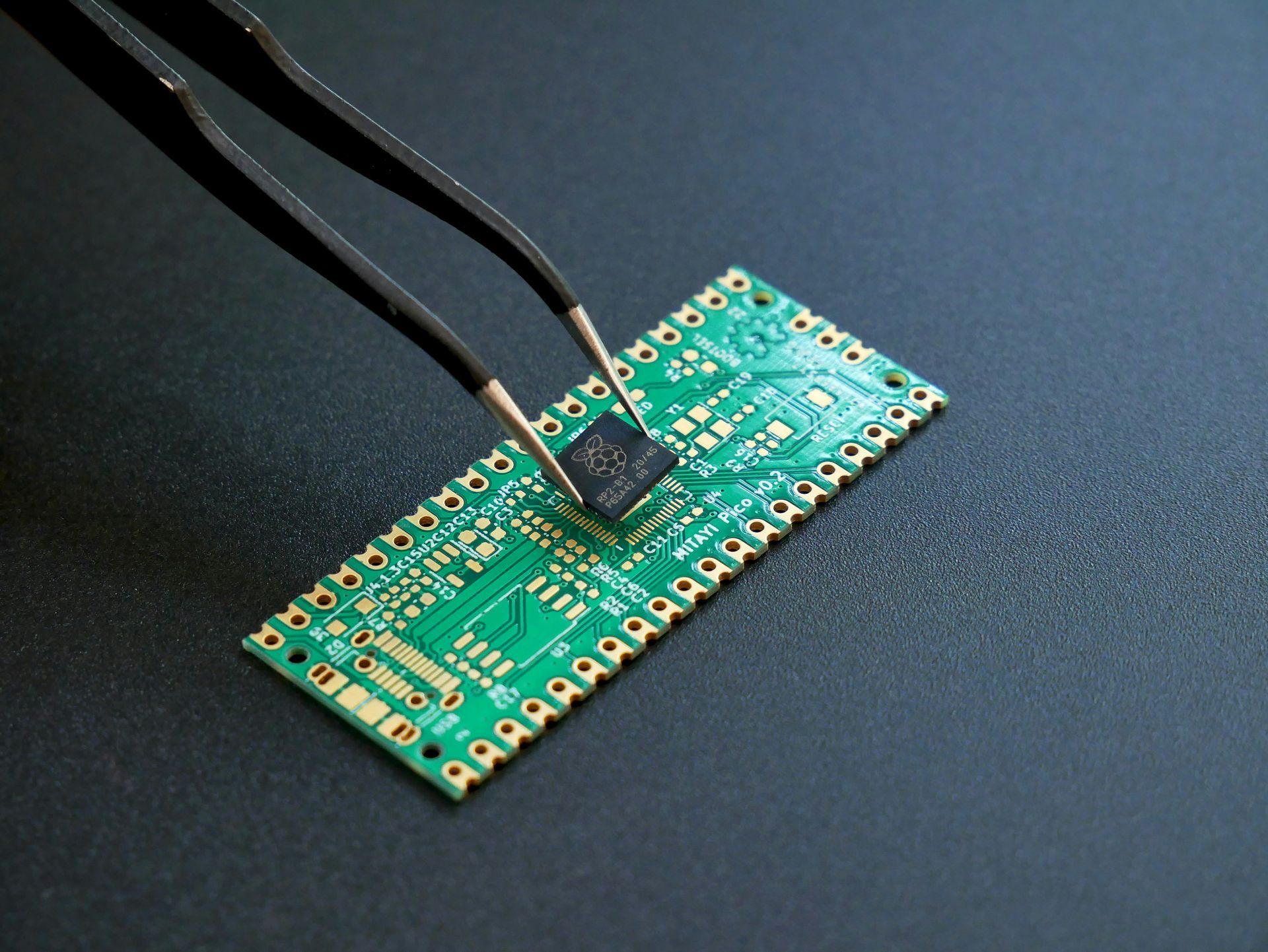
Protect Your Investment Modern homes and businesses rely on electronics and appliances that are far more sensitive than those of previous decades. From smart televisions and computers to HVAC systems and kitchen appliances, today’s equipment depends on stable and consistent electrical power . When power quality issues arise, even briefly, they recognize the effects quickly. Understanding how power quality impacts these systems helps property owners protect their investments and avoid unnecessary repairs or replacements.
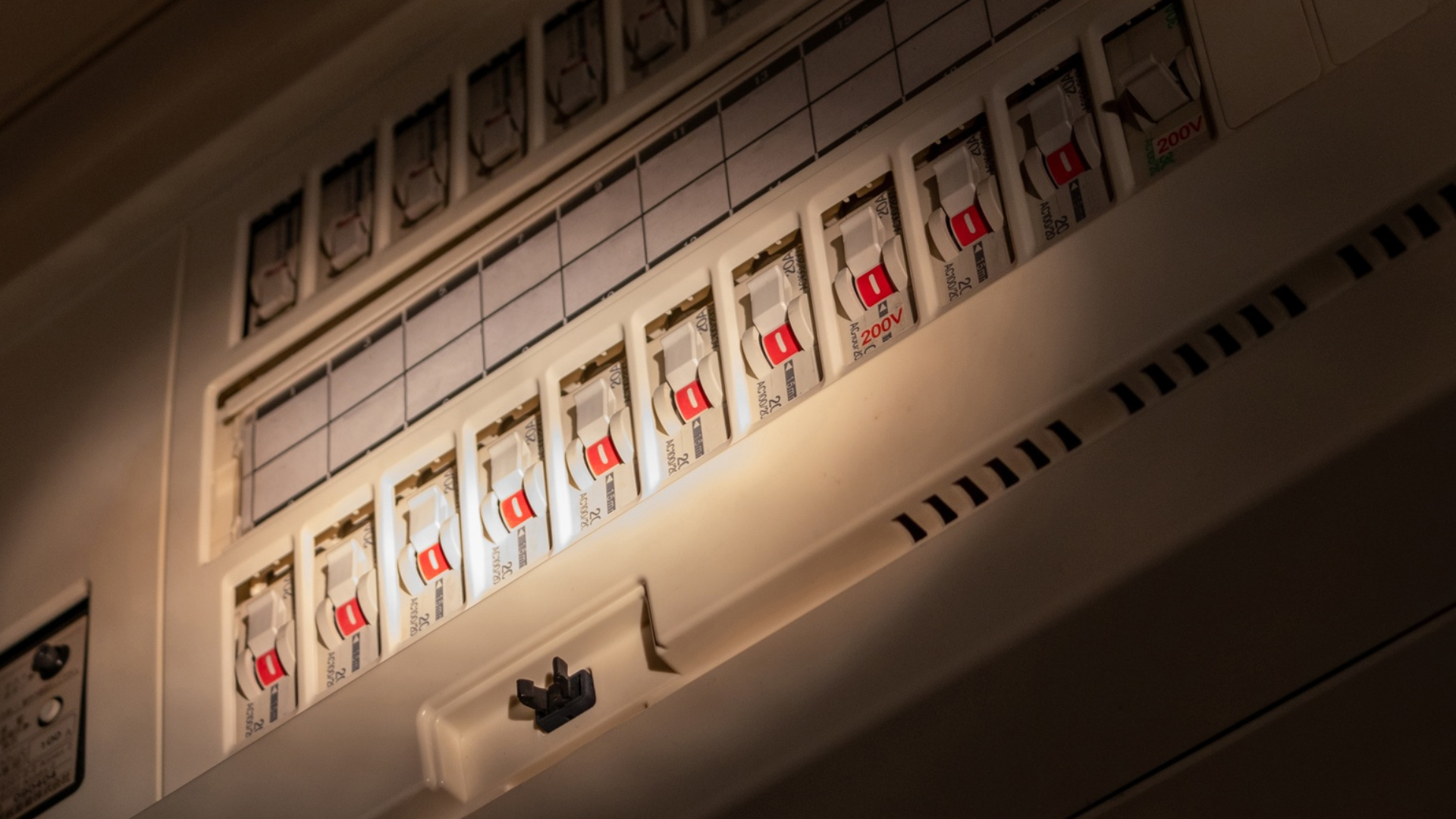
Circuit breakers are designed to protect your home and electrical system. When a breaker trips, it is doing its job by shutting off power to prevent overheating, fire risk, or damage to equipment. However, when a breaker trips repeatedly, it is a sign that something is wrong and should not be ignored. Understanding the most common reasons breakers trip can help homeowners recognize when it is time to call a licensed electrician rather than resetting the breaker and hoping the problem resolves itself.
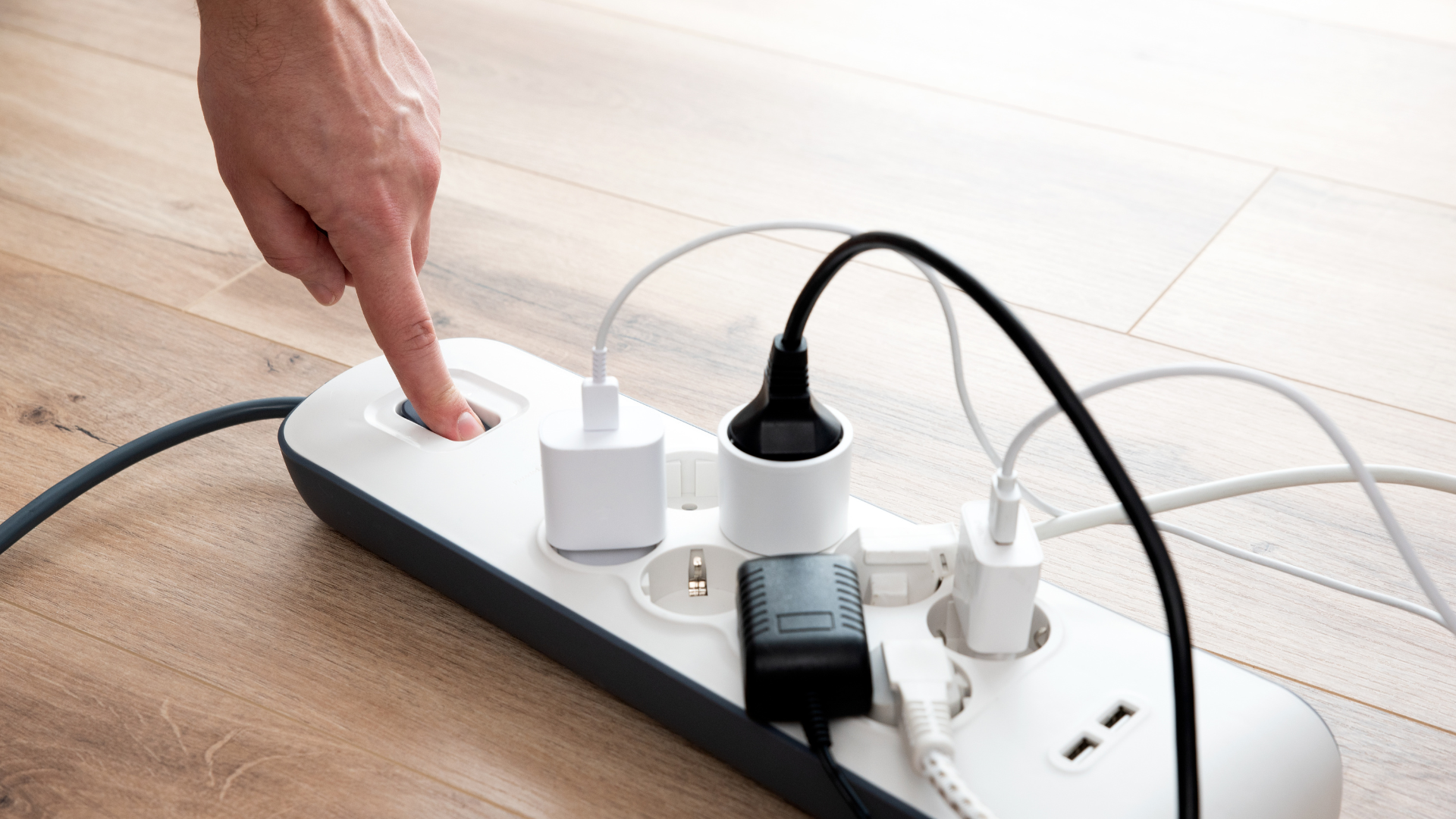
Power surges are a common electrical issue that many homeowners and business owners underestimate. While they may seem rare or insignificant, power surges can cause serious damage to electronics, appliances, and electrical systems over time. Understanding what causes power surges and how to protect against them is an important part of maintaining a safe and reliable electrical system.

Older homes and commercial buildings often carry a certain charm, but their electrical systems may not meet modern safety standards. Electrical codes evolve over time to reflect improved safety knowledge, changes in usage demands, and new technologies. When systems are not updated accordingly, code violations can develop that increase the risk of electrical failure or fire. At ESD Electric, we regularly encounter these issues during inspections and service calls.