What Causes Breakers to Trip Repeatedly
A circuit breaker that trips occasionally can be doing exactly what it is designed to do. A breaker that trips repeatedly is different. Persistent tripping is a warning sign that something within the electrical system needs attention. Ignoring it can lead to damaged equipment, interrupted daily routines, and in some cases, serious safety risks.
Understanding why breakers trip repeatedly helps homeowners and business owners recognize when a simple reset is not enough.
Overloaded Circuits
One of the most common causes of repeated breaker trips is an overloaded circuit. This occurs when too many devices or appliances are drawing power from the same circuit at the same time. Modern homes often rely on more electronics, appliances, and charging equipment than electrical systems were originally designed to handle.
When the total electrical demand exceeds the circuit’s capacity, the breaker trips to prevent overheating. Resetting the breaker without addressing the load usually results in another trip.
Short Circuits
A short circuit happens when a hot wire comes into direct contact with a neutral wire or a grounded surface. This creates a sudden surge of current that the breaker immediately interrupts.
Short circuits are more serious than overloads and often indicate damaged wiring, loose connections, or faulty devices. Repeated tripping caused by short circuits should never be ignored, as they can increase the risk of electrical fires.
Ground Faults
Ground faults occur when electrical current escapes the intended wiring path and flows into the ground. This can happen due to moisture intrusion, damaged insulation, or deteriorating wiring.
Ground faults often trigger breakers quickly and repeatedly, especially in areas such as kitchens, bathrooms, garages, or outdoor spaces. Moisture exposure makes these issues more common and more dangerous.

Faulty Appliances or Equipment
Sometimes the problem is not the circuit itself, but the appliance connected to it. Appliances with internal wiring issues, worn components, or failing motors can draw inconsistent or excessive power.
Plugging a faulty appliance into a circuit can cause repeated breaker trips. Testing devices individually can help identify whether a specific appliance is contributing to the issue.
Aging Electrical Systems
Electrical systems age just like any other component of a building. Older wiring materials, worn breakers, and outdated panel designs may struggle to meet modern electrical demands.
Breakers that trip frequently may be responding to increased stress caused by aging infrastructure. In these cases, the issue may not be a single fault, but an overall system limitation that requires professional evaluation.
Loose or Damaged Wiring
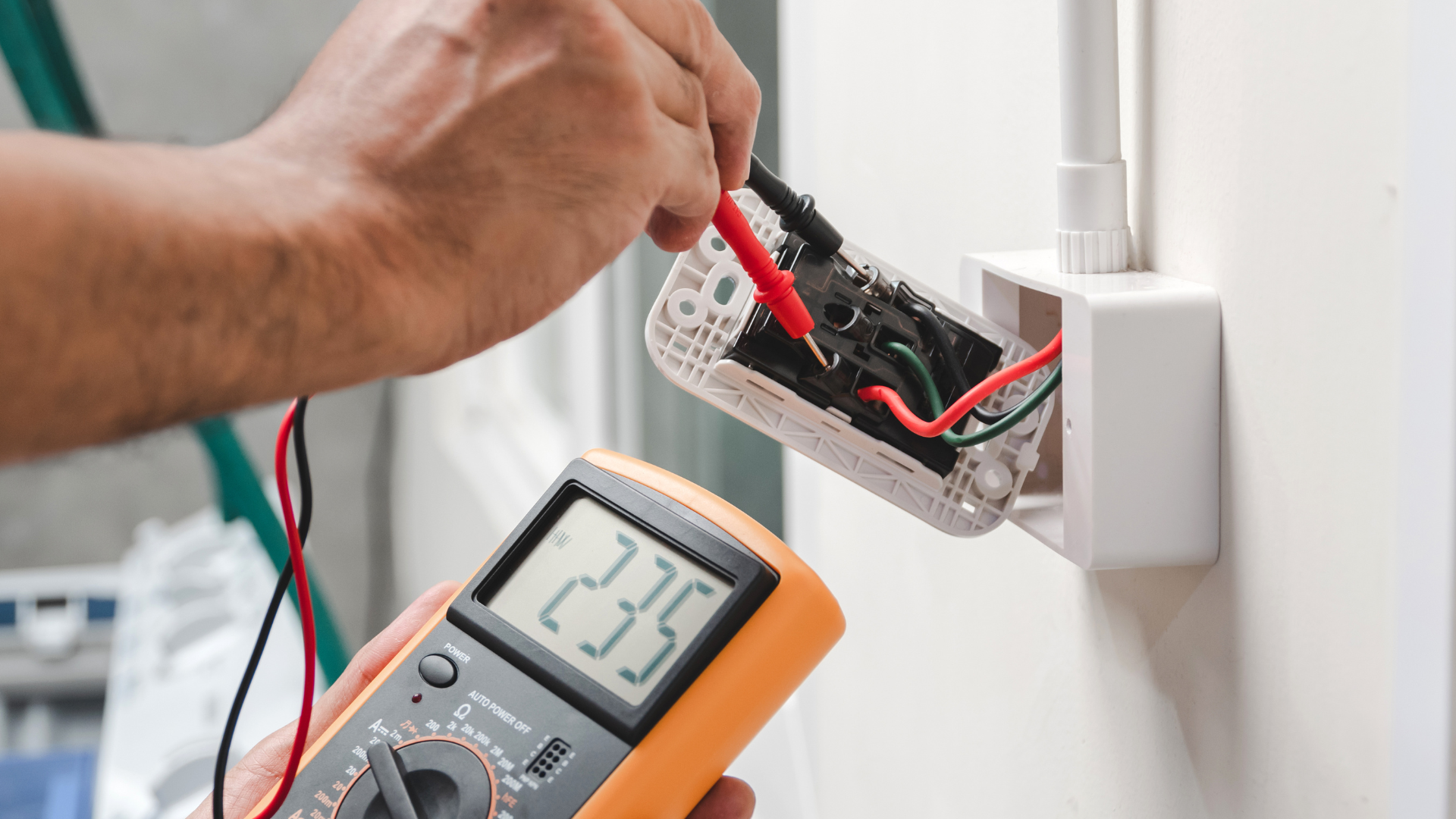
Loose connections create resistance, which generates heat. Over time, this heat can damage wiring and trigger breakers. Loose wiring may result from settling structures, vibration, or improper installation.
Because these issues are often hidden behind walls or within panels, they can be difficult to detect without proper tools and training.
Why Repeated Tripping Is a Safety Signal
Breakers are safety devices designed to interrupt power before damage occurs. When a breaker trips repeatedly, it is signaling that a condition exists which could lead to overheating or fire if left unaddressed.
Resetting a breaker without identifying the cause is similar to ignoring a warning light on a vehicle. The symptom may temporarily disappear, but the underlying problem remains.
When to Call a Professional
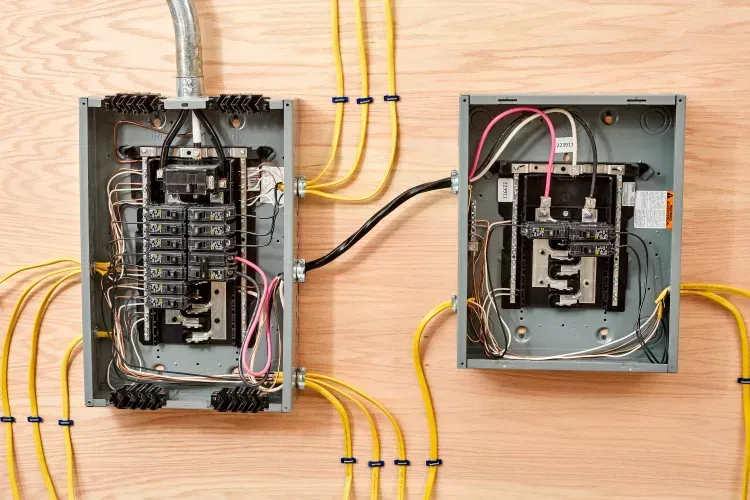
If a breaker trips repeatedly, especially when no new devices have been added, professional evaluation is recommended. A licensed electrician can identify whether the issue is related to load capacity, wiring condition, appliance failure, or panel limitations.
At ESD Electric, breaker issues are approached by evaluating the entire system rather than treating symptoms alone. Proper diagnosis helps ensure that solutions are effective and that electrical systems operate safely and reliably.
Repeated breaker trips are not an inconvenience to work around. They are an opportunity to address potential risks before they become serious problems.