Level 1 vs Level 2 EV Chargers: Which Is Right for Your Home
As electric vehicles become more common, many homeowners begin exploring the option of installing a home charging station. One of the first decisions drivers face is choosing between a
Level 1 and a Level 2 EV charger. While both serve the same basic purpose, they differ significantly in charging speed, electrical requirements, and overall convenience. Understanding these differences helps homeowners select the option that best fits their driving habits and home electrical system.

What Is a Level 1 EV Charger
A Level 1 charger uses a standard 120 volt household outlet. In most cases, the charging cable provided by the vehicle manufacturer functions as a Level 1 charger. This option does not require special equipment or electrical upgrades beyond a properly functioning outlet.
Level 1 charging is slow compared to other options. On average, it provides only a few miles of driving range per hour of charging. For drivers with short daily commutes or those who drive infrequently, this may be sufficient. Vehicles can be plugged in overnight or for extended periods without additional installation costs.
However, Level 1 charging requires long charging times. Fully recharging a depleted battery may take more than a full day, depending on the vehicle and battery size.

What Is a Level 2 EV Charger
A Level 2 charger operates on a 240 volt circuit, similar to those used for large appliances such as dryers or ovens. This type of charger requires professional installation and, in some cases, an electrical panel upgrade.
The primary advantage of Level 2 charging is speed. A Level 2 charger can add significantly more driving range per hour, often allowing a vehicle to fully recharge overnight. This makes it a practical option for daily drivers, households with multiple electric vehicles, or drivers who need reliable charging on a consistent schedule.
Level 2 chargers also offer greater flexibility. Many models allow for scheduling, monitoring, and integration with smart home systems.

Electrical Requirements and Considerations
Choosing between Level 1 and Level 2 charging depends largely on your home’s electrical capacity. While Level 1 charging relies on existing outlets, Level 2 charging requires a dedicated 240 volt circuit.
Before installing a Level 2 charger, a professional electrician should evaluate your electrical panel, available capacity, and overall system condition. Some homes may require panel upgrades to safely support the additional load.
Proper load calculations help ensure the charging system operates safely without overloading circuits or affecting other electrical systems in the home.

Cost and Long Term Value
Level 1 charging has minimal upfront cost, as it typically uses existing equipment. The trade off is convenience. Longer charging times may limit flexibility and require careful planning.
Level 2 charging involves higher upfront installation costs, but it often provides better long term value for active drivers. Faster charging reduces downtime and supports more consistent vehicle use. For homeowners planning to keep their EV long term, Level 2 charging is often the preferred solution.

Which Option Is Right for You
Level 1 charging may be appropriate if you drive short distances, have flexible charging time, and want a simple solution with no installation work. Level 2 charging is better suited for drivers who rely on their vehicle daily, want faster charging, or plan for future EV ownership.
Household driving patterns, vehicle type, and electrical infrastructure all play a role in determining the best choice.
Professional Guidance Makes the Difference
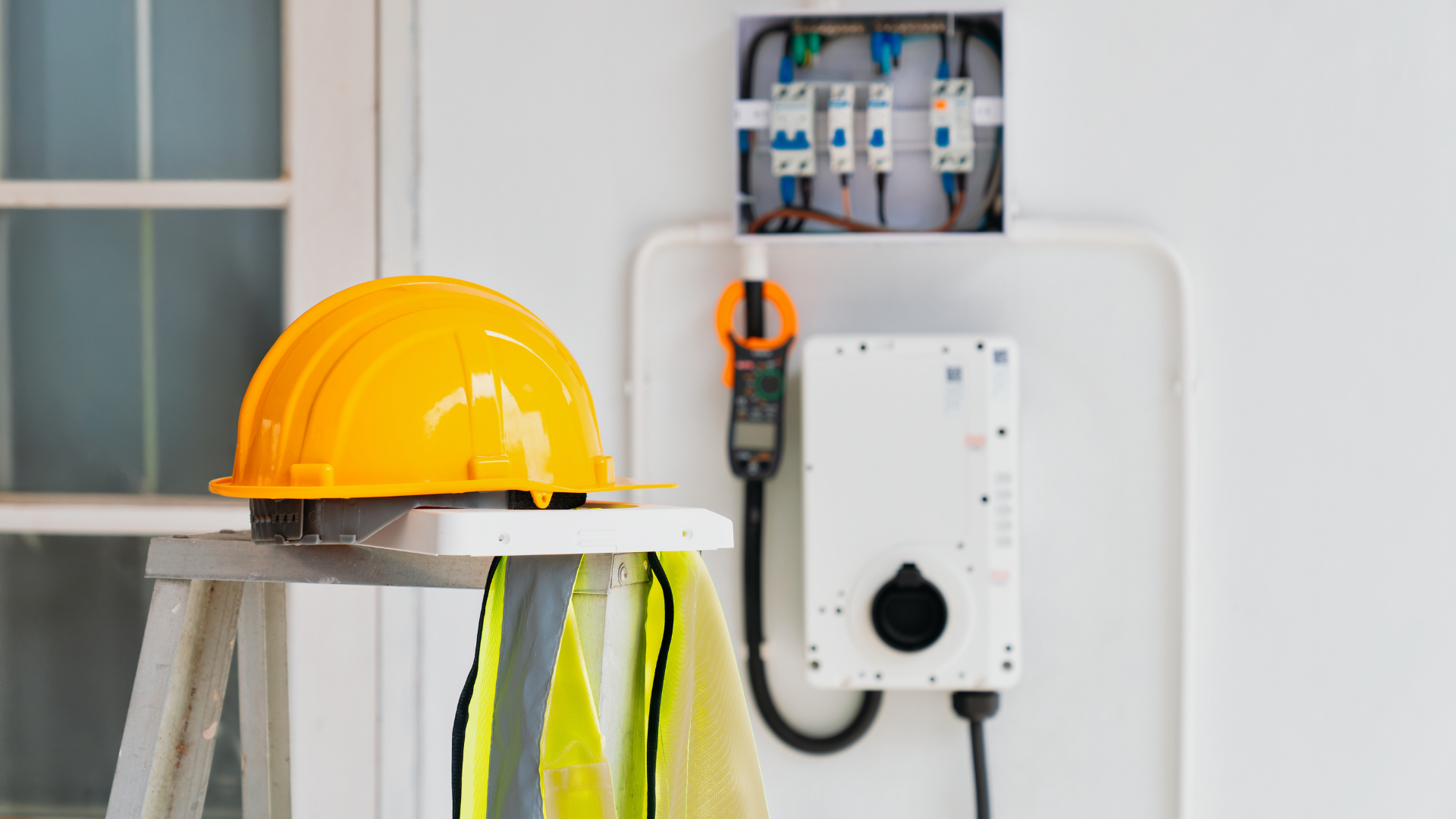
Selecting and installing the right EV charging solution involves more than choosing a charger. Proper installation ensures safety, compliance with electrical codes, and reliable performance over time.
At ESD Electric, we help homeowners evaluate their electrical systems and determine whether a Level 1 or Level 2 EV charger is the best fit. By taking a thoughtful approach to EV charger installation, homeowners can enjoy the convenience of electric vehicle ownership with confidence and peace of mind.