The Importance of Electrical Inspections Before Buying a Home
Purchasing a home is one of the largest investments most people will make in their lifetime. While buyers often focus on location, square footage, and cosmetic features, it is the hidden systems that determine how safe, efficient, and reliable a property will be. One of the most critical yet overlooked systems is the electrical network. At ESD Electric, we stress the importance of professional electrical inspections before finalizing a home purchase, as they provide essential insight into both safety and value.
Identifying Hidden Safety Hazards
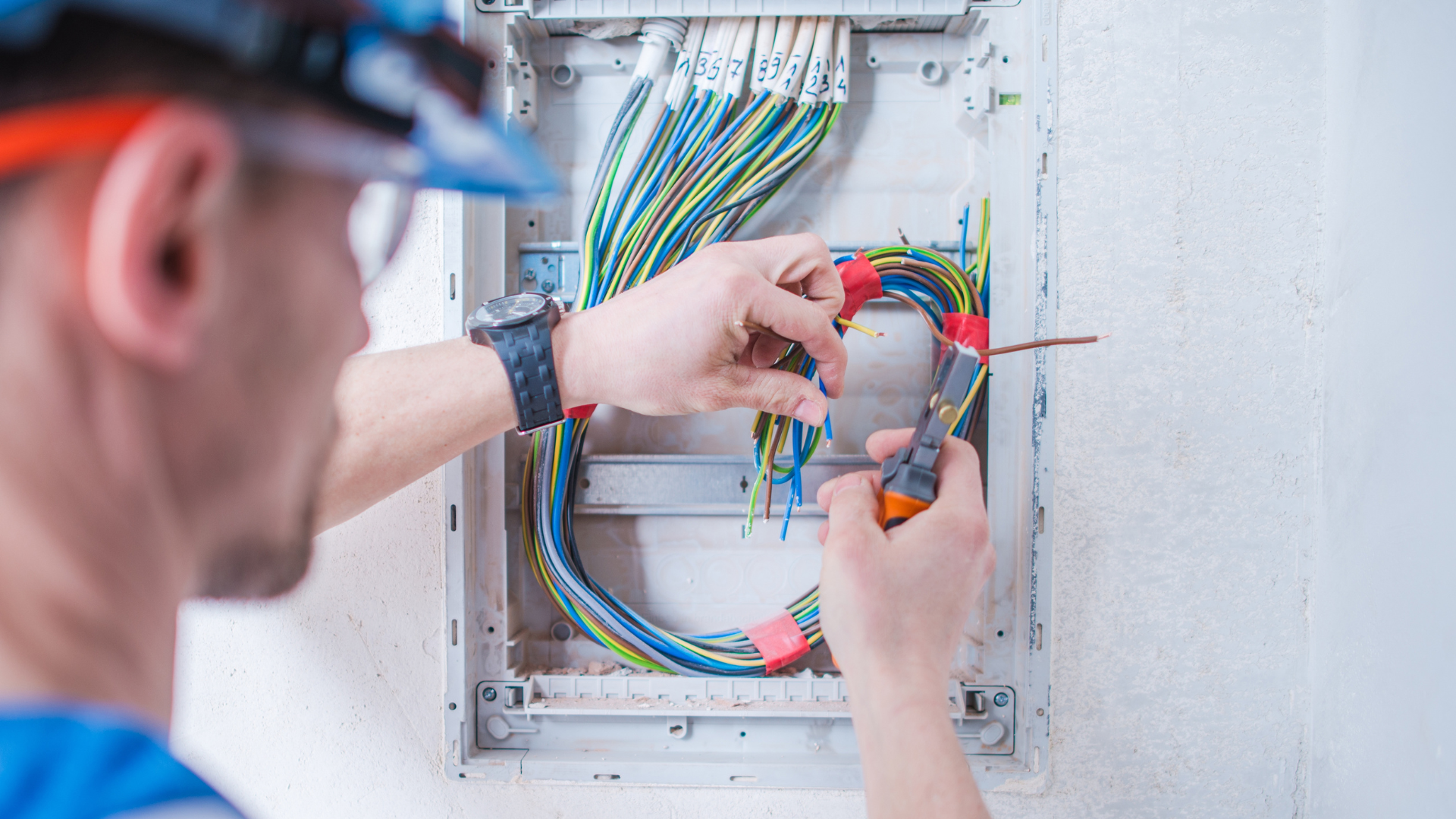
Electrical issues are often concealed within walls, ceilings, and
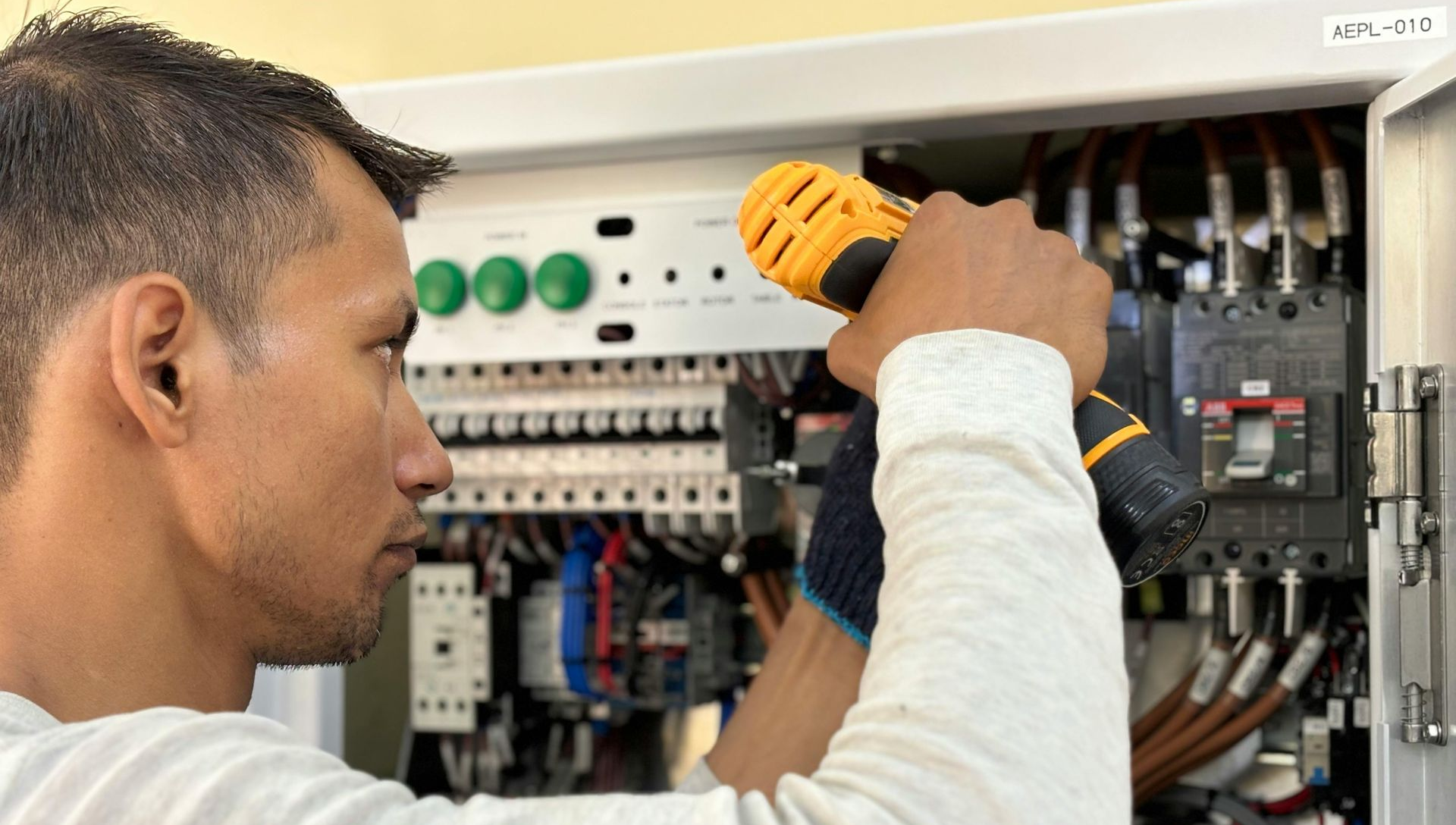
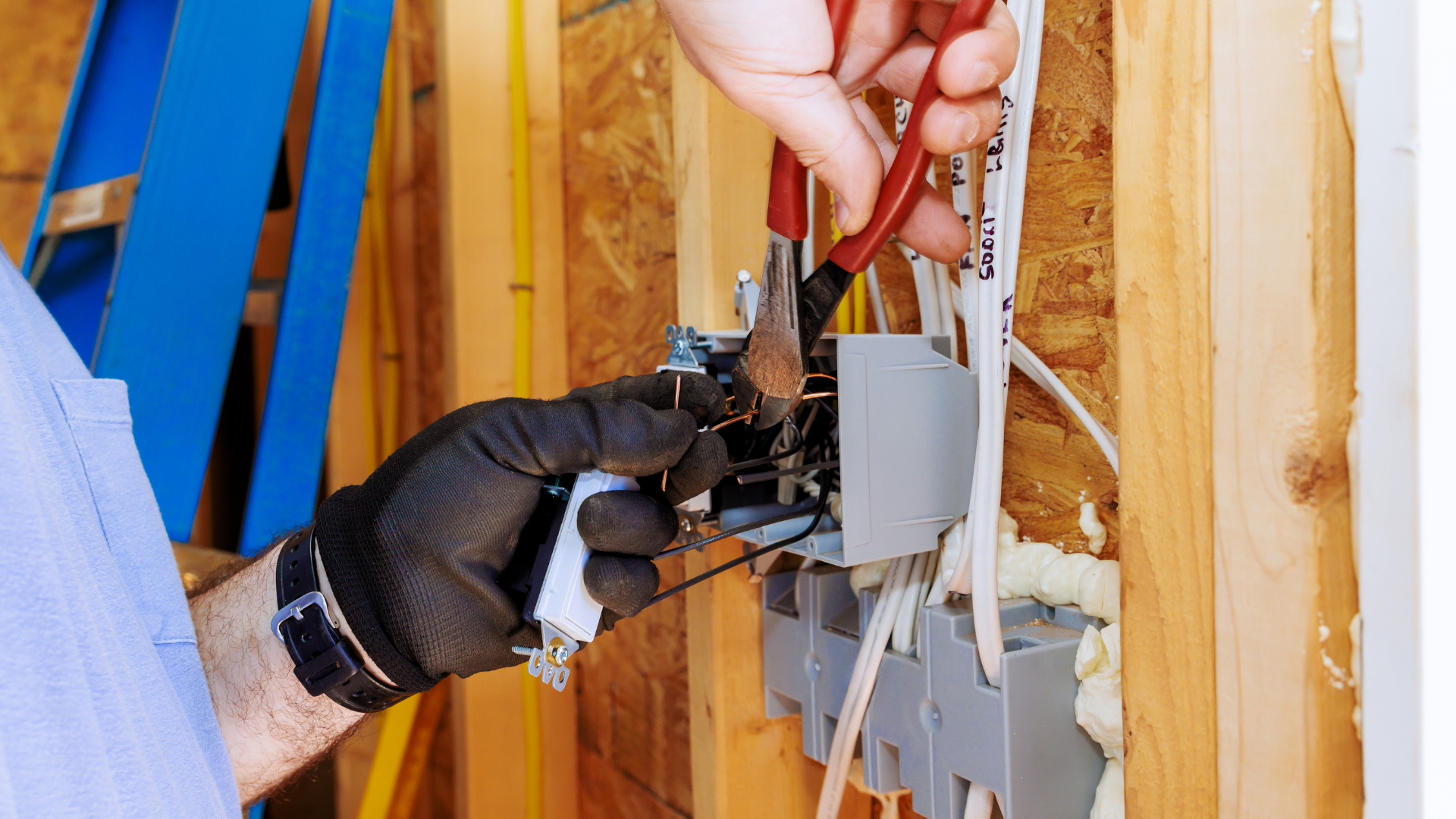
breaker panels, making them difficult to spot during a standard home walkthrough. Faulty wiring, overloaded circuits, or outdated panels can all pose fire risks. An inspection conducted by a licensed electrician reveals these hazards before they create dangerous situations. Buyers gain peace of mind knowing that their new home is safe for their family from the very first day.
Protecting Your Investment
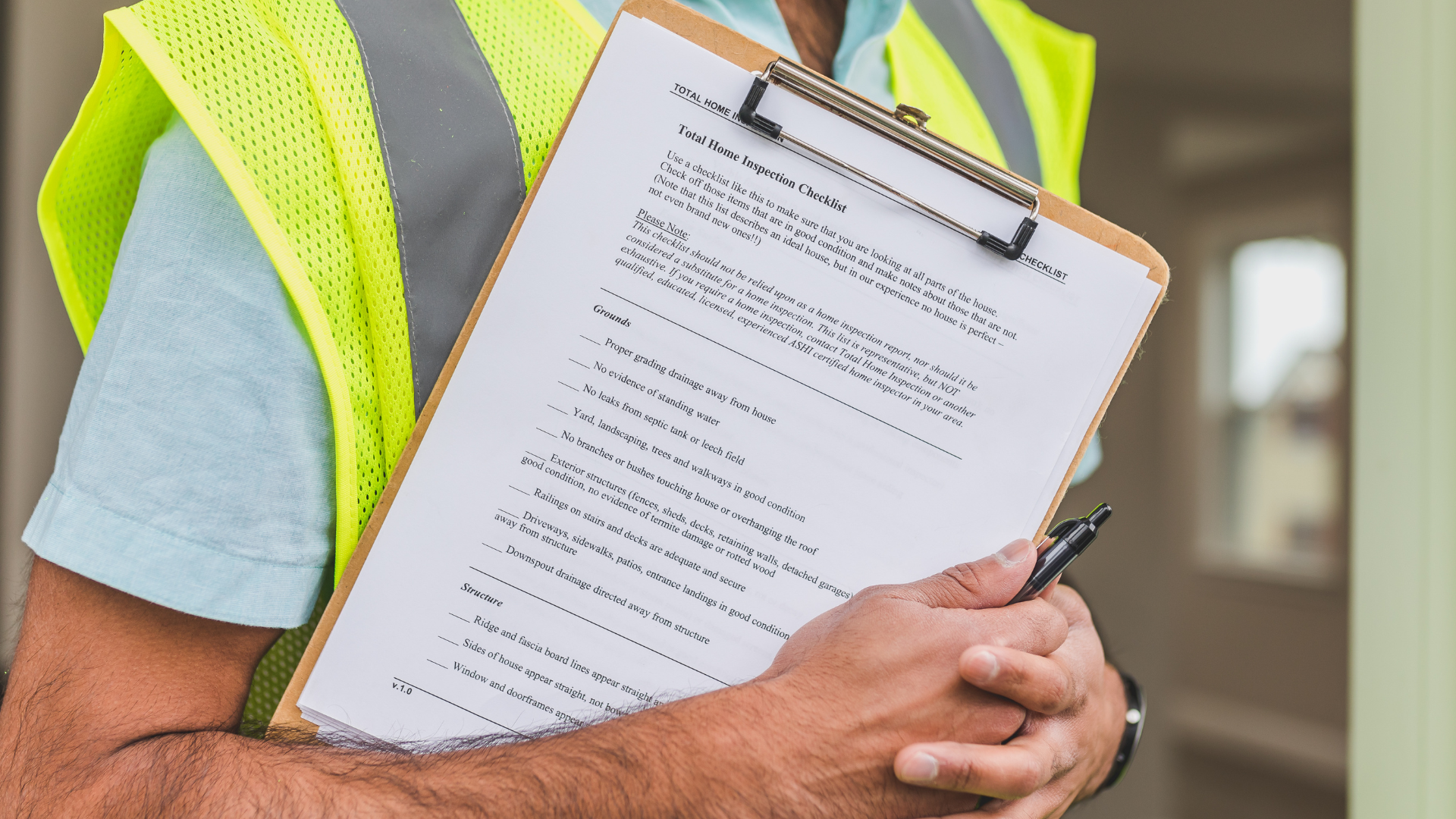
Electrical repairs can be costly, especially if problems are discovered after closing. Rewiring, replacing a panel, or bringing an older home up to modern code can represent significant unexpected expenses. By identifying these issues during the inspection phase, buyers can make informed decisions about whether to move forward, renegotiate the sale price, or request that repairs be completed before closing. This proactive step protects one of your largest financial investments.
Evaluating System Capacity
Modern households rely on far more electronics and appliances than homes were originally designed to handle decades ago. Older electrical systems may not provide enough capacity for today’s needs, leading to frequent tripped breakers or the unsafe use of extension cords. An inspection determines whether the home’s electrical system can safely support modern demands such as air conditioning, home offices, or electric vehicle chargers. If upgrades are needed, buyers can factor these improvements into their budget.
Ensuring Code Compliance
Electrical codes are updated regularly to improve safety standards. A professional inspection verifies whether the home complies with current codes. Noncompliance does not only create safety risks; it can also create complications when reselling the home or when filing insurance claims. Addressing compliance issues upfront avoids legal and financial complications later.
Improving Energy Efficiency
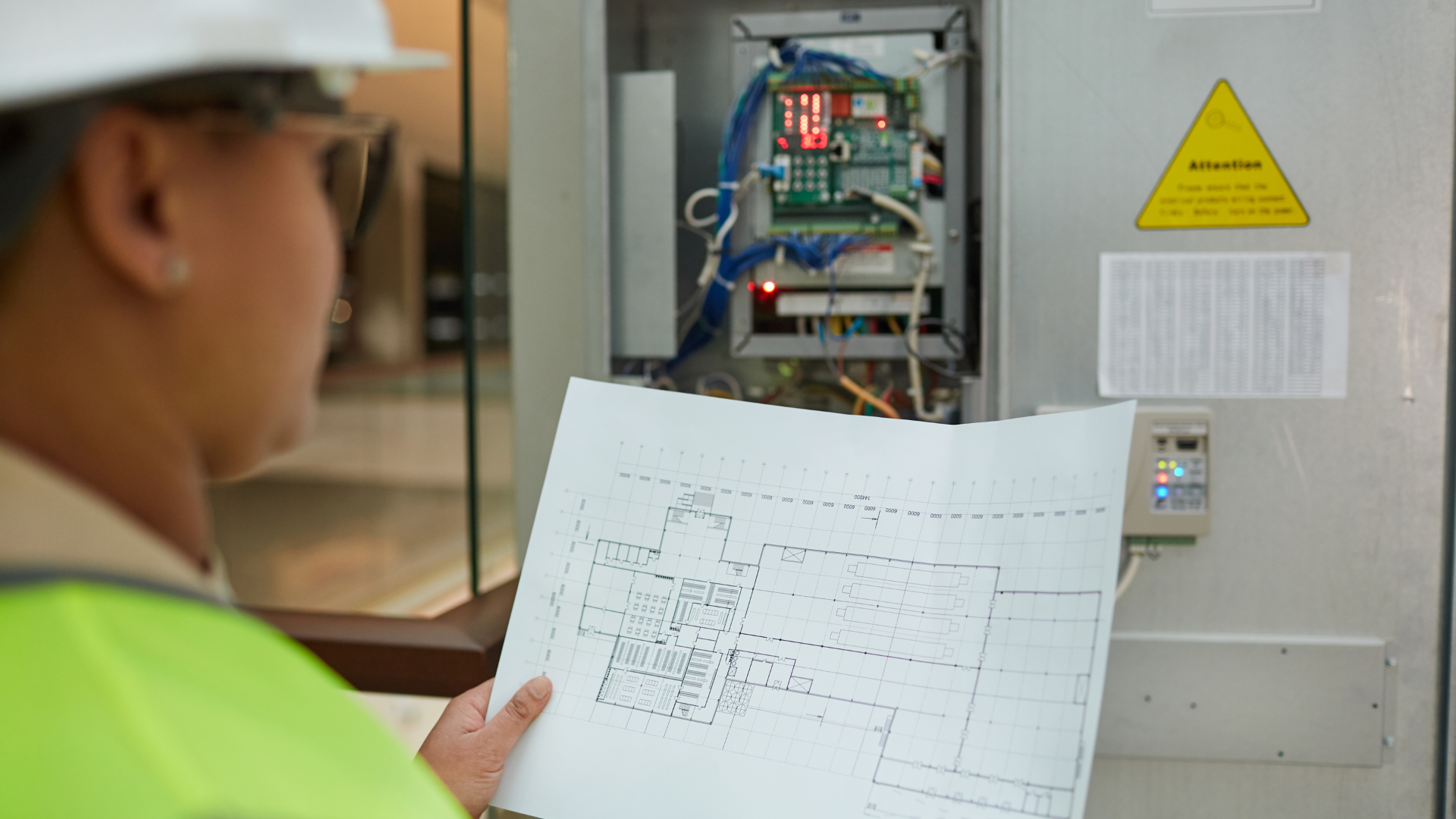
Inspections can also reveal opportunities for
greater efficiency. Outdated wiring, old lighting systems, and insufficient insulation around electrical components all contribute to higher energy bills. Identifying these inefficiencies before purchase allows buyers to plan upgrades that reduce long-term operating costs while making the home more environmentally friendly.
Strengthening Negotiation Power
Having a detailed electrical inspection report gives buyers leverage in negotiations. If problems are discovered, buyers can request that the seller cover the cost of repairs, reduce the asking price, or make the improvements before closing. This ensures that buyers are not left absorbing unexpected expenses after moving in.
Peace of Mind for Families
A home should be a place of safety and comfort. Knowing that the electrical system has been evaluated by a licensed professional provides confidence that children can play, appliances can run, and everyday activities can be enjoyed without unnecessary risk. This peace of mind is invaluable, especially for families moving into a new neighborhood or community.
Final Thoughts
An electrical inspection is a crucial step in the home-buying process. It uncovers hidden hazards, protects financial investments, ensures compliance with safety codes, and gives buyers the power to negotiate from an informed position.
At ESD Electric, we provide thorough electrical inspections that reveal the true condition of a property’s electrical system. By partnering with us before you finalize your purchase, you safeguard your investment and ensure that your new home is safe, efficient, and ready for the future.