What Causes Circuit Breakers to Trip Repeatedly
Circuit breakers are designed to protect your home and electrical system. When a breaker trips, it is doing its job by shutting off power to prevent overheating, fire risk, or damage to equipment. However, when a breaker trips repeatedly, it is a sign that something is wrong and should not be ignored.
Understanding the most common reasons breakers trip can help homeowners recognize when it is time to call a licensed electrician rather than resetting the breaker and hoping the problem resolves itself.
Short Circuits
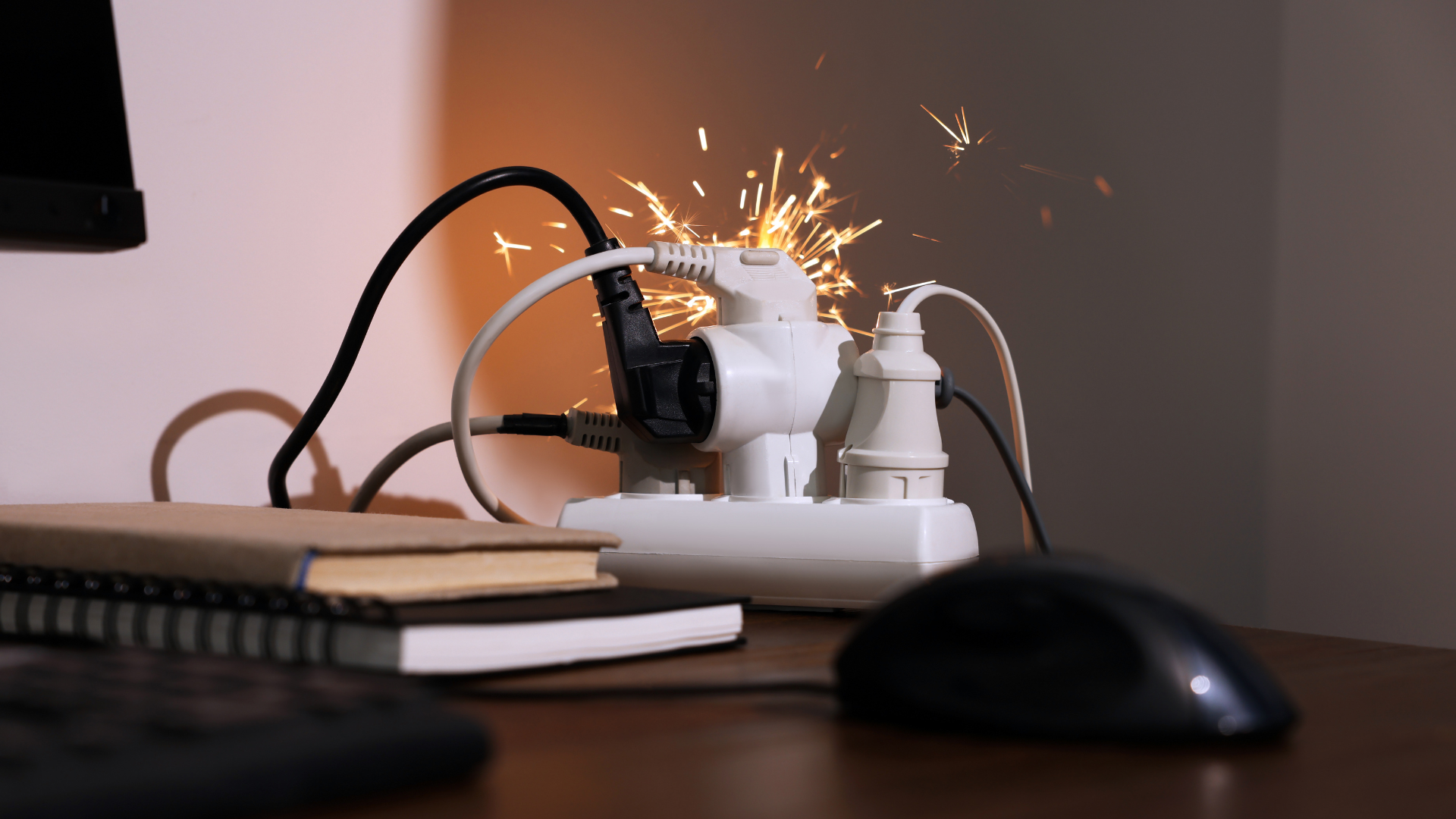
A short circuit occurs when a hot wire comes into contact with a neutral or ground wire. This creates a sudden surge of electrical current that the breaker immediately shuts down.
Short circuits are more serious than overloads and may be caused by damaged wiring, loose connections, or faulty devices. Signs of a short circuit may include a burning smell, scorch marks near outlets, or breakers that trip instantly when reset.
Short circuits should always be addressed by a professional, as they pose a significant safety risk.
Ground Faults
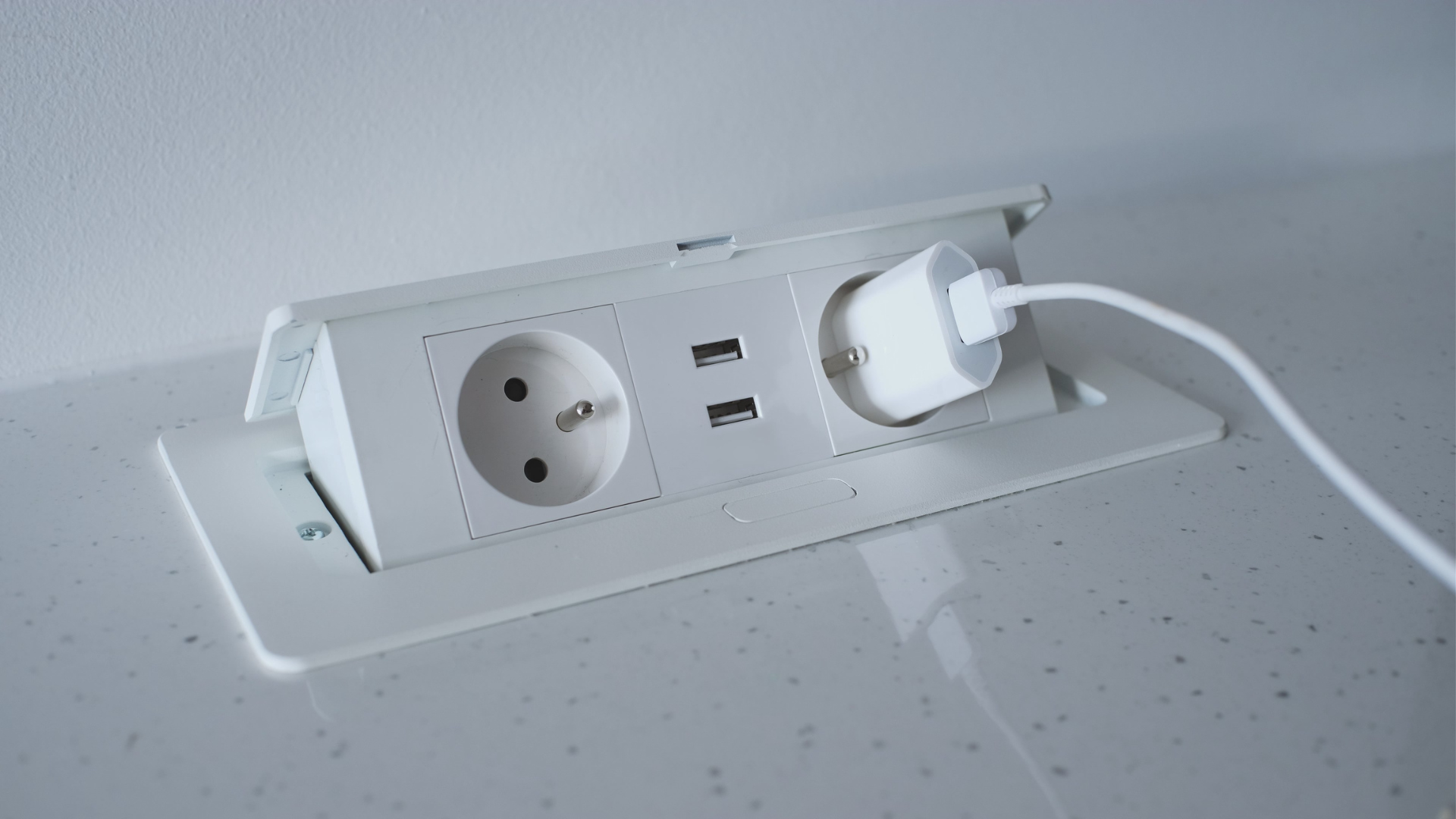
Ground faults happen when electrical current escapes its intended path and travels to ground. This often occurs in areas where moisture is present, such as kitchens, bathrooms, garages, or outdoor spaces.
Repeated tripping caused by ground faults may indicate deteriorated insulation, damaged cords, or wiring issues behind walls. These conditions increase the risk of shock and should be evaluated promptly.

Aging or Faulty Breakers
Breakers themselves can wear out over time. An aging breaker may trip more easily or fail to reset properly. While breakers are durable, they are mechanical devices that experience wear after years of service.
If a breaker trips without a clear cause or trips under normal load conditions, it may be failing. Replacing a faulty breaker can restore proper operation, but it is important to determine whether the breaker or the circuit is the underlying issue.
Wiring Problems
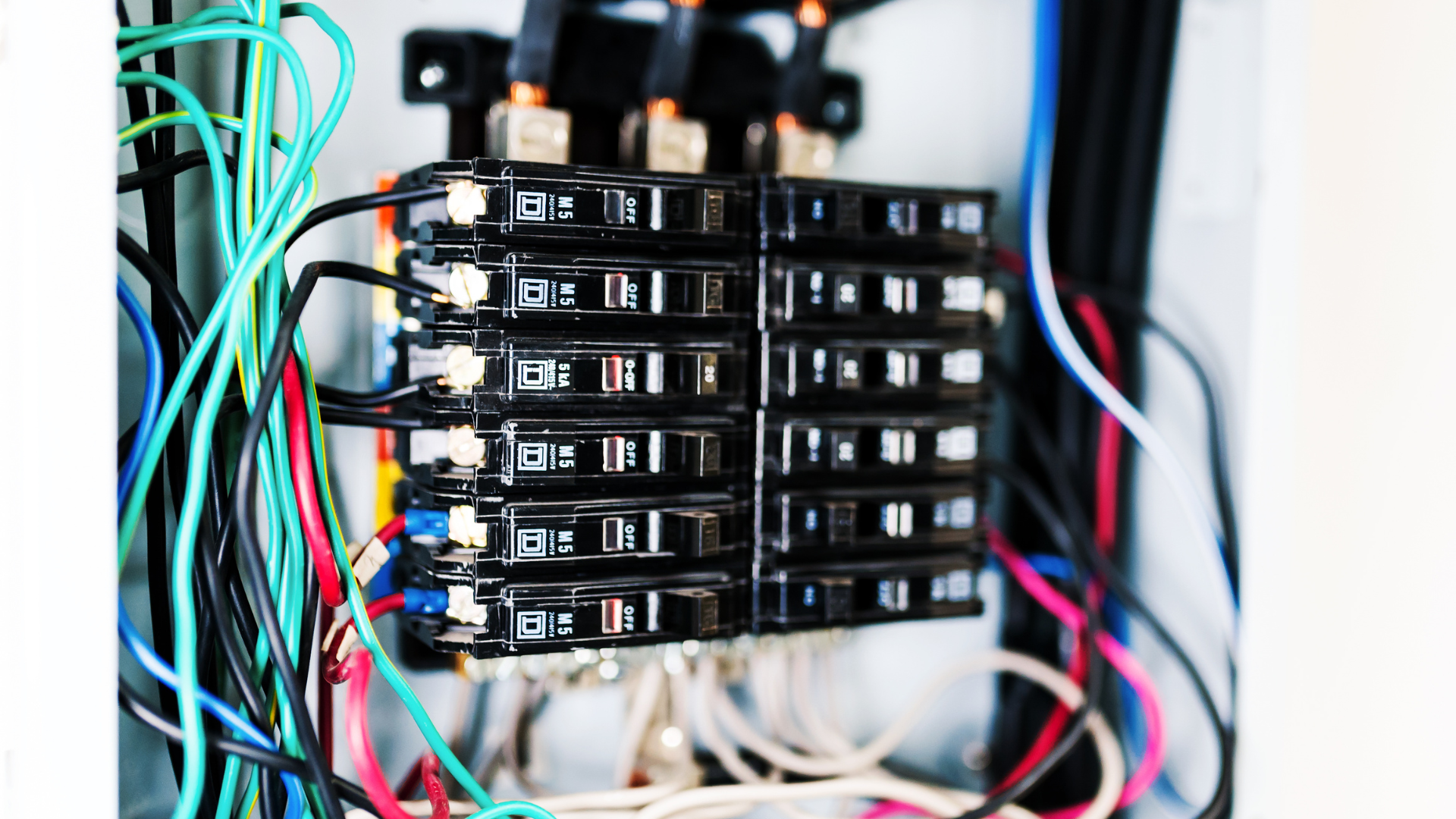
Loose connections, damaged insulation, or outdated wiring can all contribute to repeated breaker trips. These issues are often hidden behind walls or inside junction boxes, making them difficult for homeowners to identify on their own.
Wiring problems may worsen over time and increase the risk of fire if left unaddressed. Breakers that trip intermittently or unpredictably often point to wiring concerns that require professional inspection.
Appliance Issues
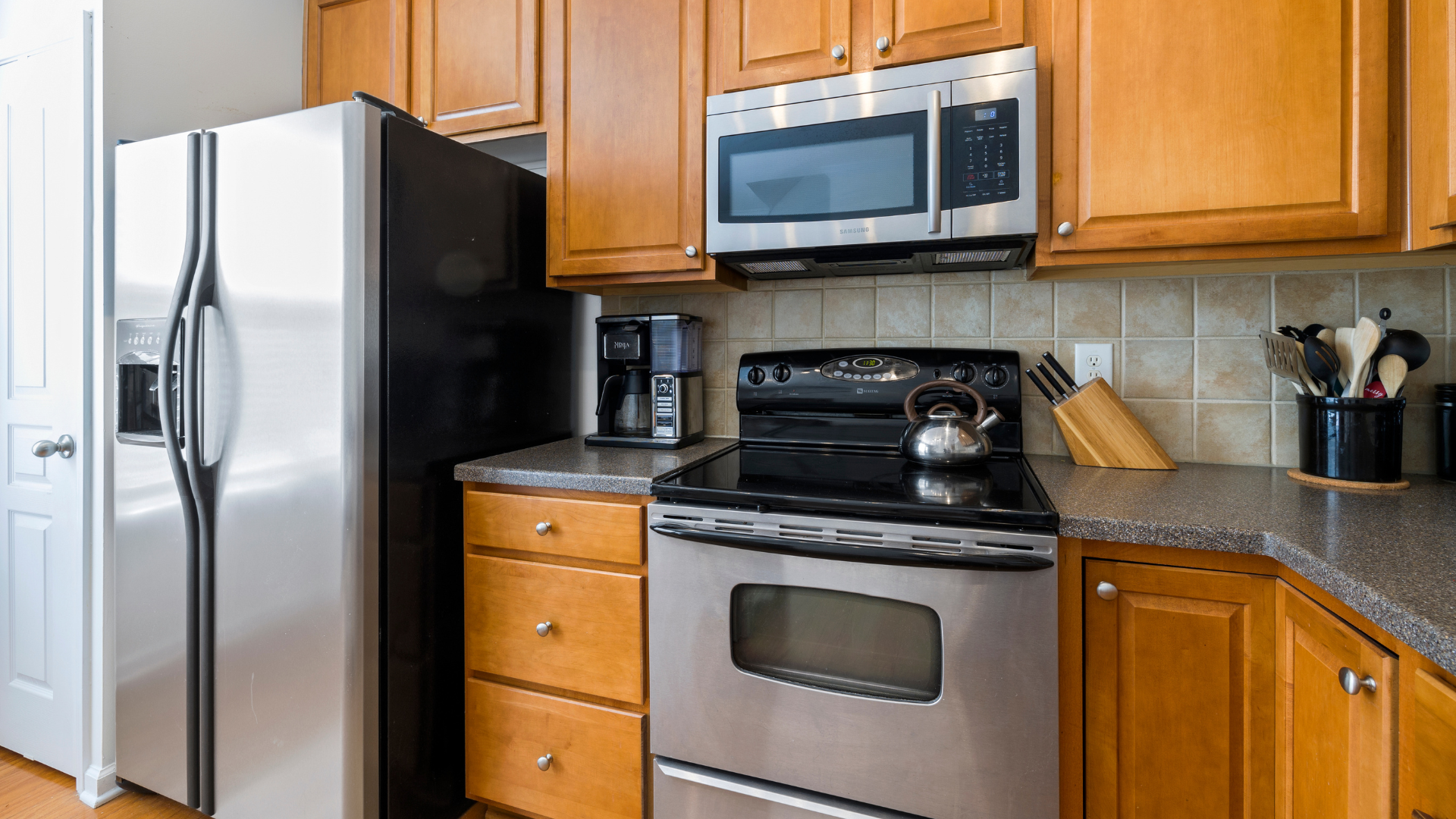
Sometimes the problem is not the electrical system itself but a specific appliance. A malfunctioning appliance may draw excessive current or create internal faults that trip the breaker.
If a breaker trips consistently when a particular device is used, that device should be unplugged and evaluated. Continued use of a faulty appliance can damage circuits and create safety hazards.
Why Repeated Tripping Should Not Be Ignored
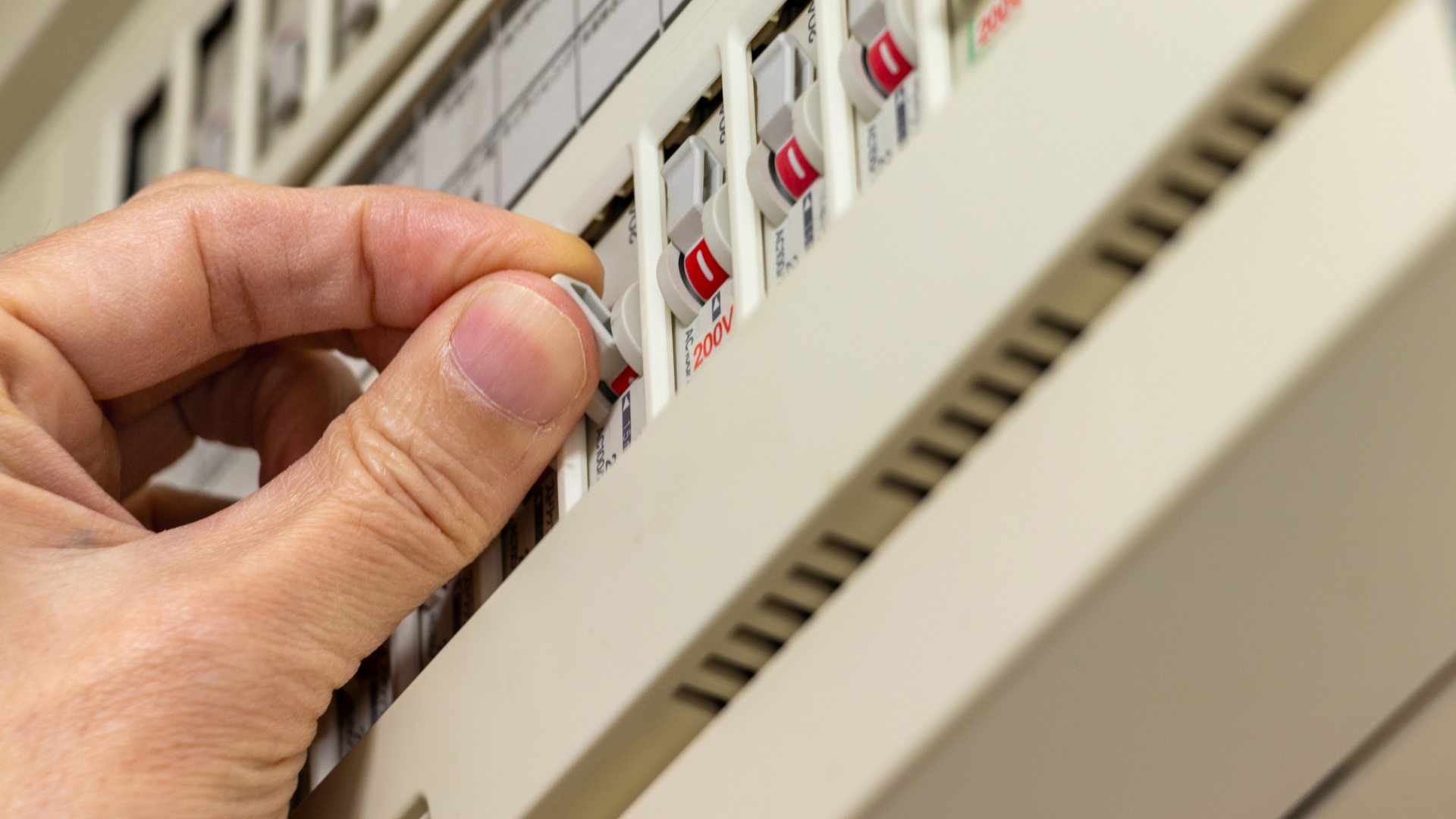
Resetting a breaker without addressing the cause may restore power temporarily, but it does not solve the underlying problem. Each trip is a warning sign that the electrical system is under stress or experiencing a fault.
Ignoring these warnings increases the likelihood of damage or unsafe conditions developing over time.
When to Call a Professional
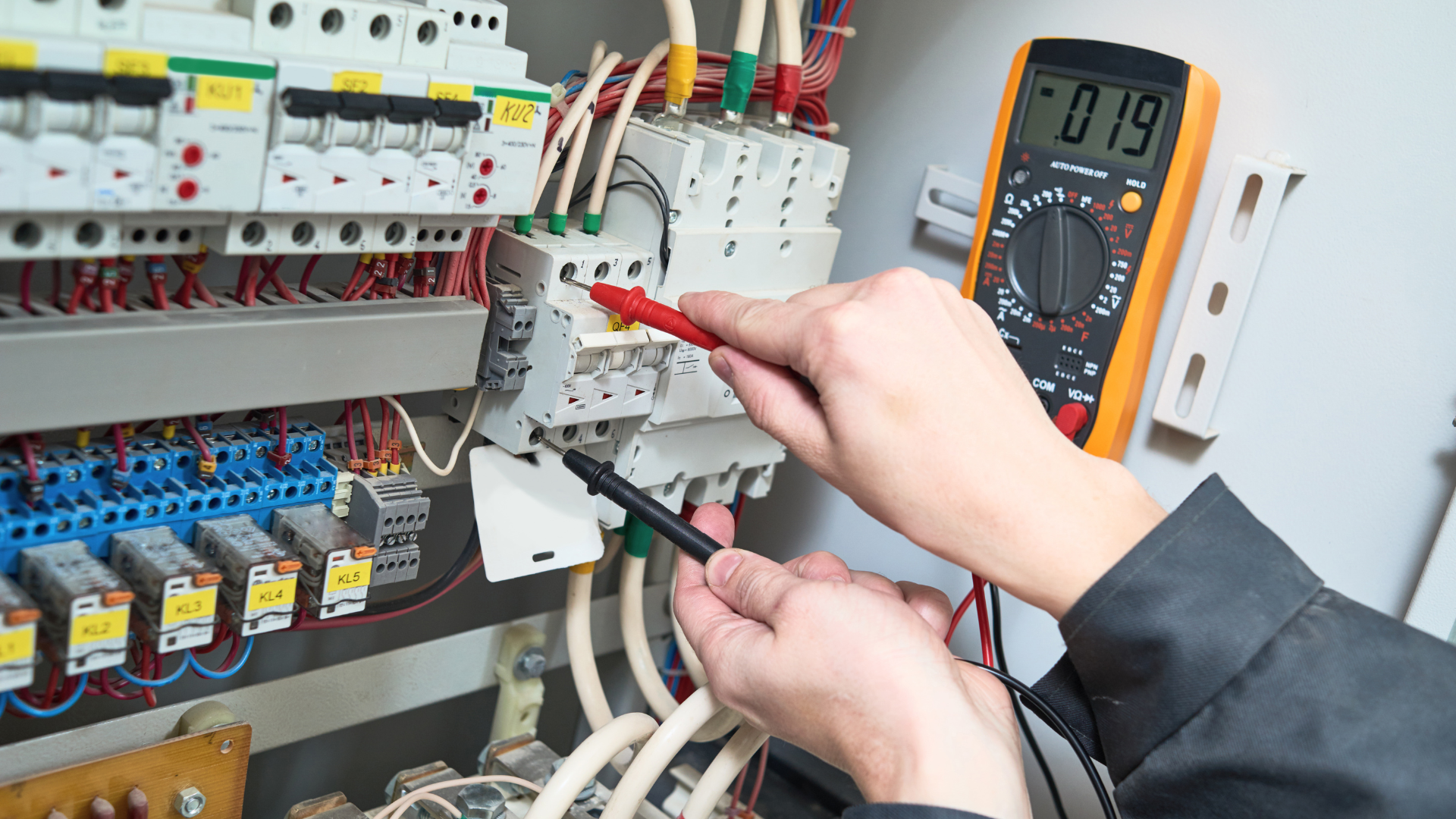
Repeated breaker trips warrant a professional evaluation. A licensed electrician can identify whether the issue is related to load capacity, wiring condition, or equipment failure.
At ESD Electric, we help homeowners understand why breakers trip and what steps are needed to restore safe, reliable power. Addressing the root cause protects your home, your appliances, and the people who rely on them every day.