How Power Quality Issues Affect Modern Electronics and Appliances
Protect Your Investment
Modern homes and businesses rely on electronics and appliances that are far more sensitive than those of previous decades. From smart televisions and computers to HVAC systems and kitchen appliances, today’s equipment depends on
stable and consistent electrical power. When power quality issues arise, even briefly, they recognize the effects quickly. Understanding how power quality impacts these systems helps property owners protect their investments and avoid unnecessary repairs or replacements.

What Power Quality Really Means
Power quality refers to the consistency and reliability of the electrical power delivered to a building. Ideal power flows at a steady voltage and frequency without sudden spikes, drops, or interruptions. When power quality fluctuates, equipment may still receive electricity, but not in the stable form it needs to operate safely and efficiently.
Common power quality issues include voltage
surges, voltage sags, electrical noise, and momentary interruptions. These problems may not always cause immediate failure, but they often contribute to long term damage.
Why Modern Electronics Are More Vulnerable
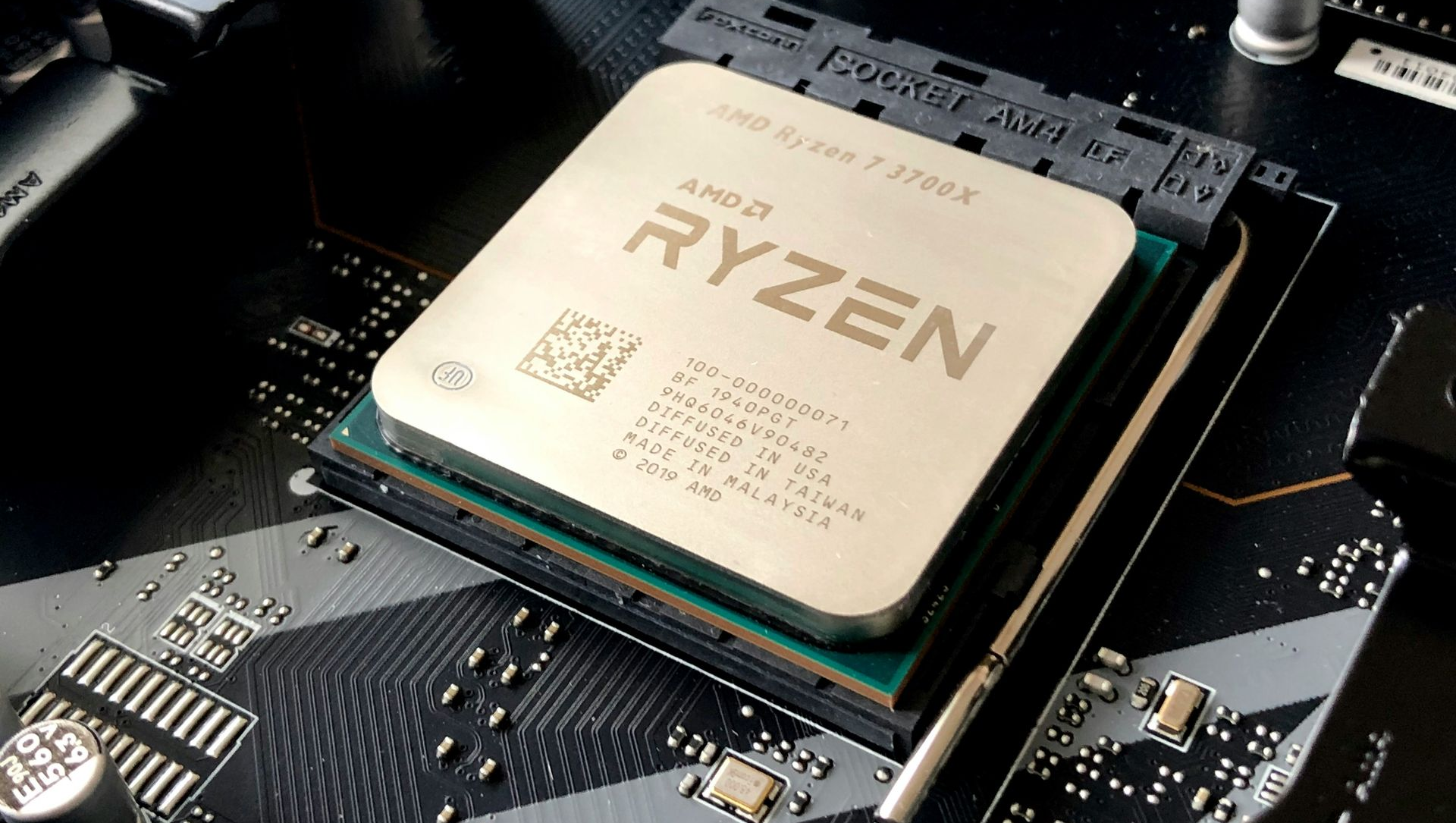
Older electrical devices were often simpler and more tolerant of fluctuations. Modern electronics rely on microprocessors, circuit boards, and digital controls that are far more sensitive to irregular power. Even small voltage variations can disrupt normal operation.\
Power quality issues may cause devices to reset unexpectedly, malfunction intermittently, or shut down without warning. Over time, repeated exposure can shorten the lifespan of sensitive components.
The Impact on Household Appliances
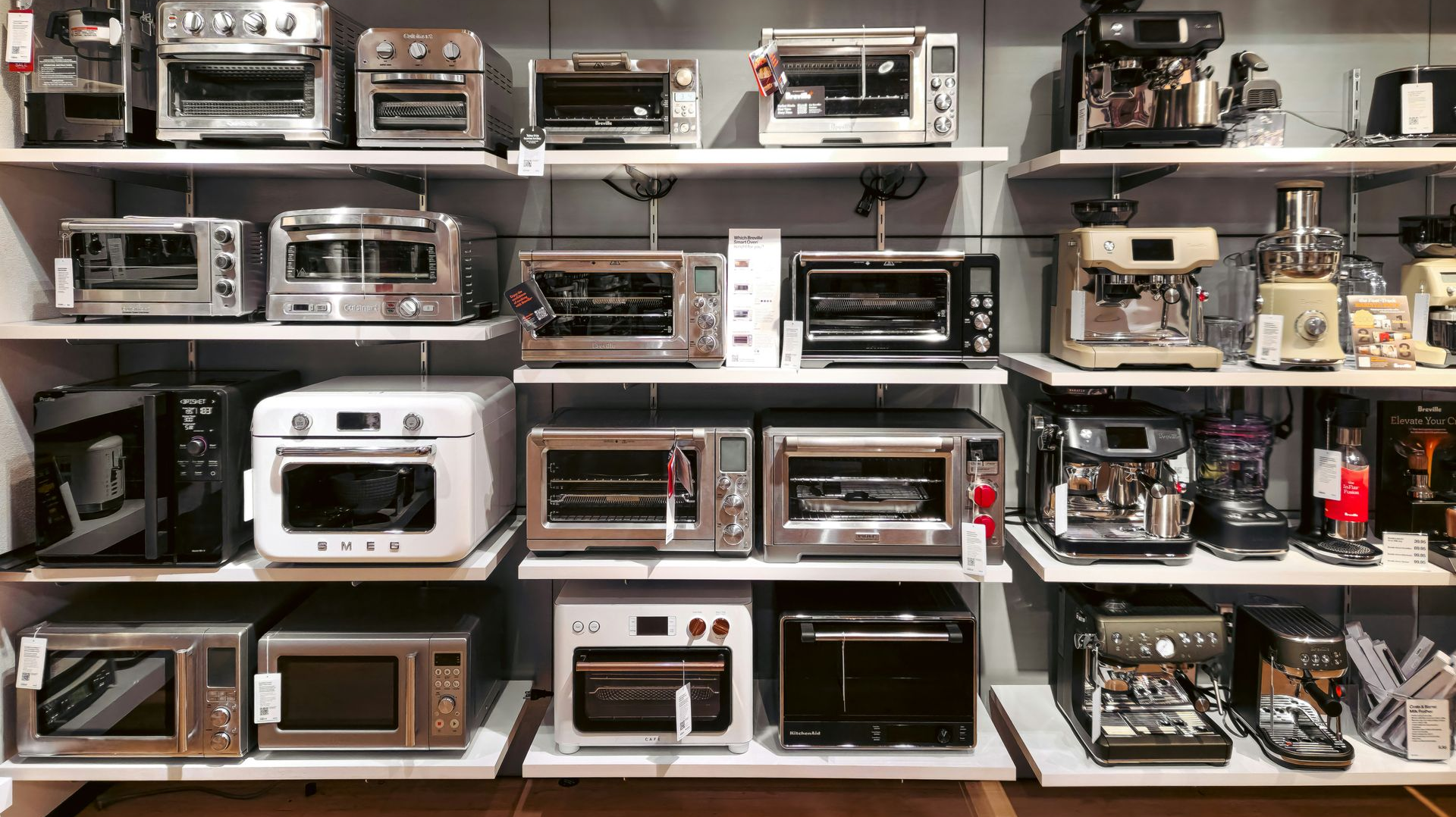
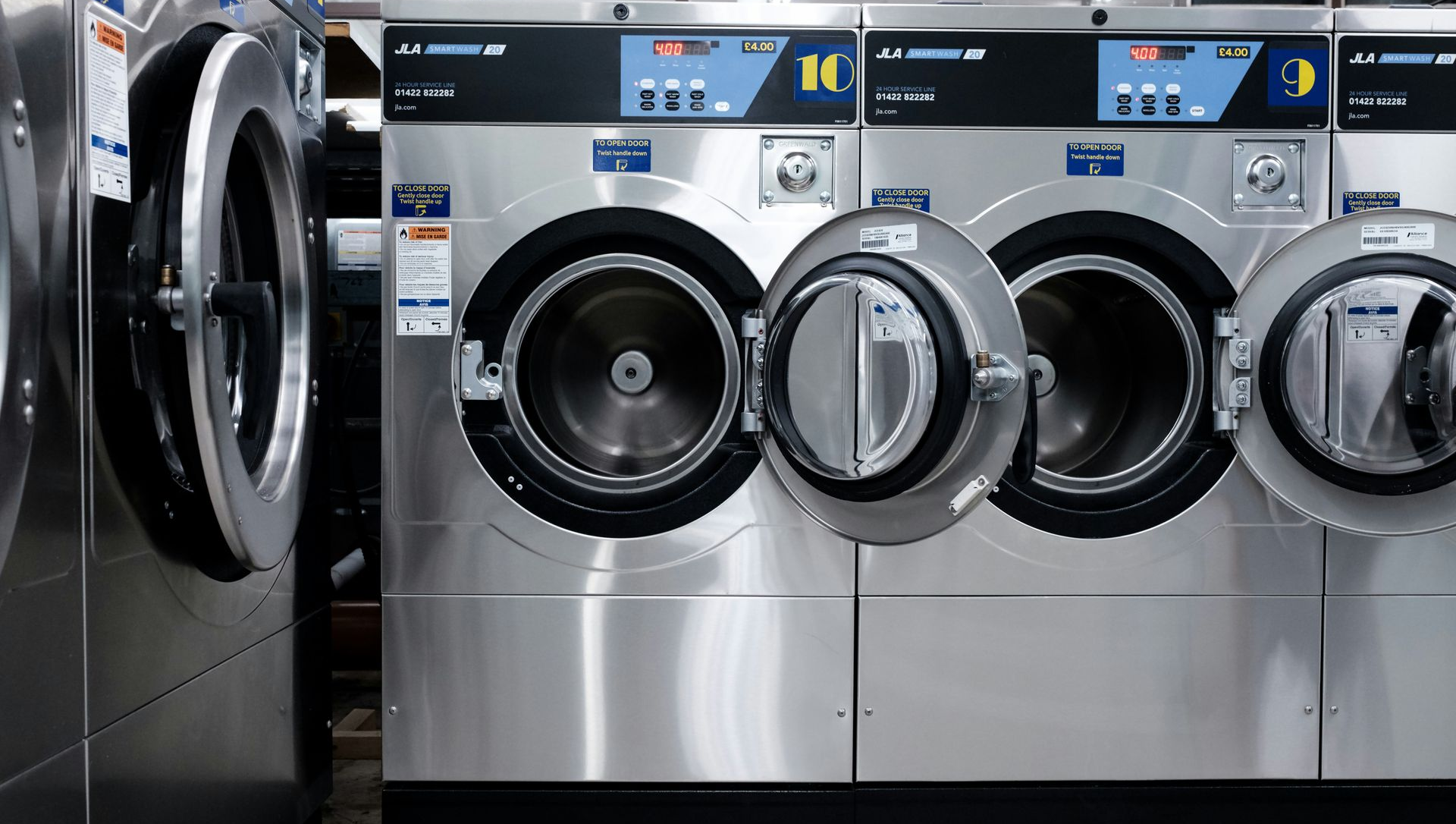
Major appliances such as refrigerators, washing machines, and ovens are also affected by power quality. Many now include electronic control boards that regulate performance and efficiency. Voltage fluctuations can place additional stress on motors, compressors, and internal electronics.
This stress can lead to premature wear, reduced efficiency, and costly repairs. In some cases, appliances may fail entirely due to repeated exposure to poor power conditions.
Hidden Costs of Poor Power Quality
One of the challenges with power quality issues is that damage often accumulates gradually. Equipment may continue to function while internal components degrade. By the time a failure occurs, the original cause may not be obvious.
Frequent replacement of electronics, unexplained malfunctions, and shortened equipment lifespan all add up over time. These hidden costs can far exceed the expense of addressing power quality proactively.
Common Sources of Power Quality Problems
Power quality issues can originate both inside and outside a building. External factors include utility grid disturbances, storms, and nearby industrial activity. Internally, problems may stem from overloaded circuits, outdated electrical panels, improper grounding, or poorly installed equipment.
As electrical demand increases with new devices and technologies, older systems may struggle to maintain consistent power delivery.
Why Professional Evaluation Matters
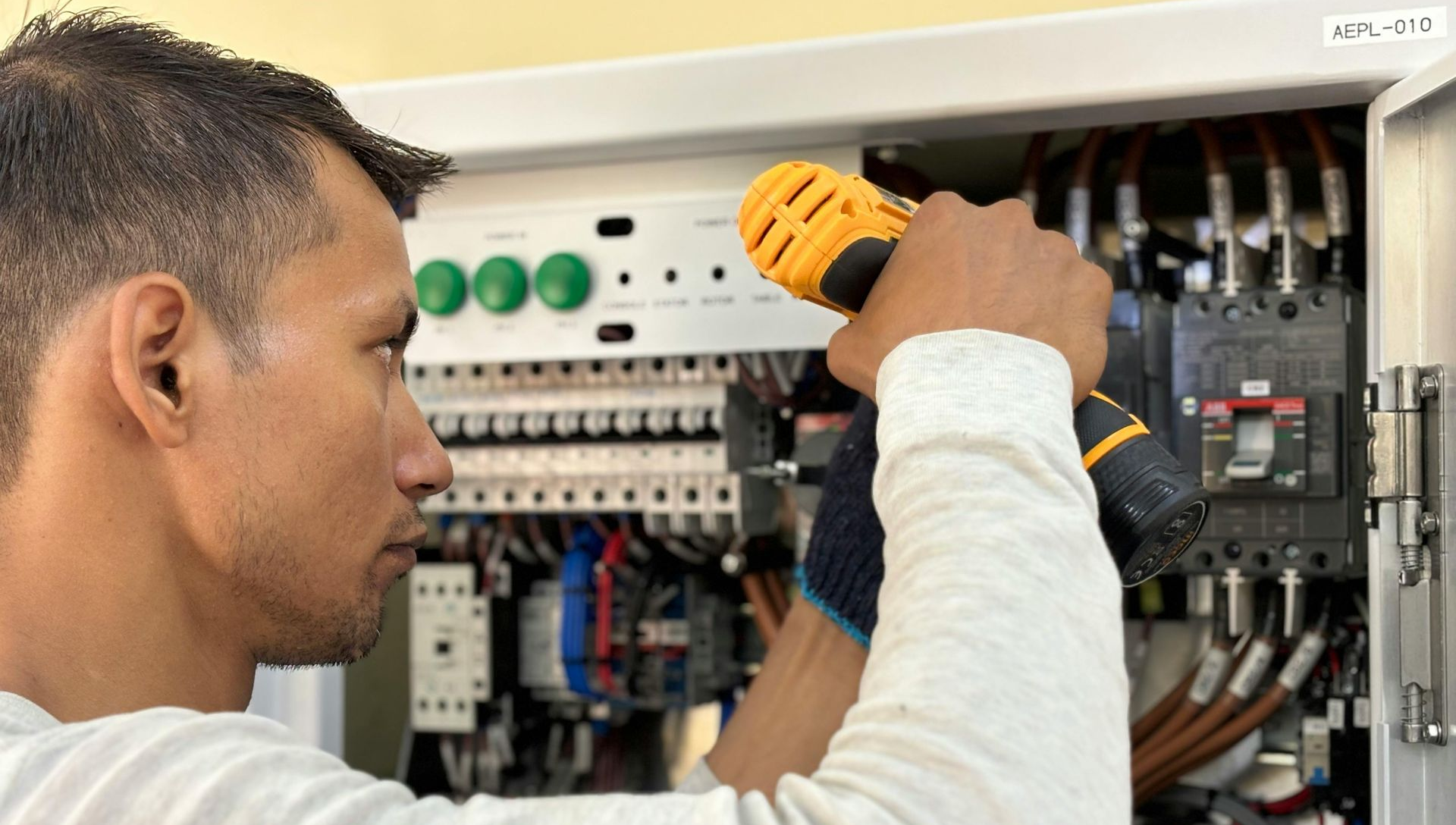
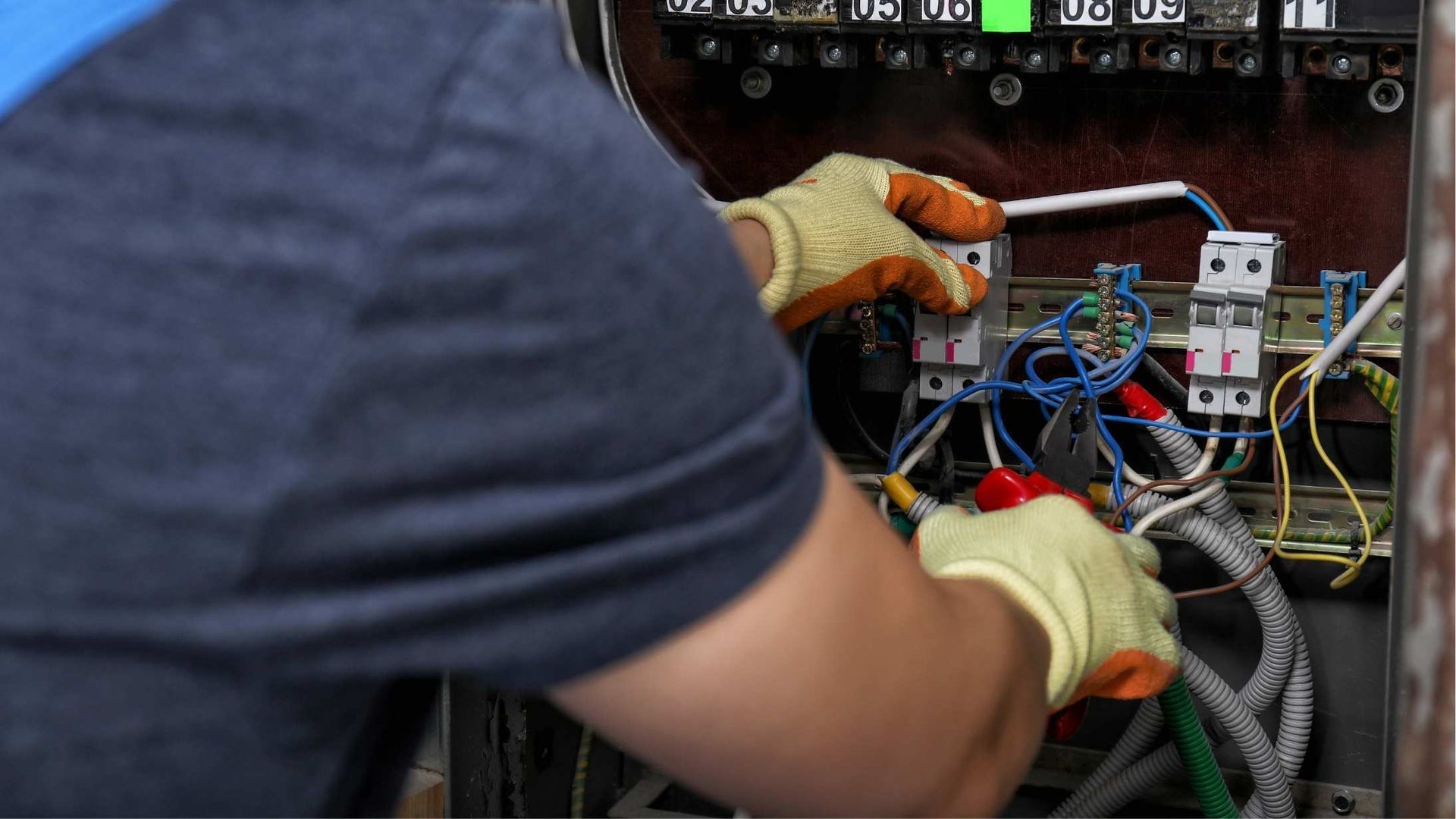
Identifying power quality issues requires more than visual inspection. Electrical professionals use specialized tools to measure voltage stability, load balance, and grounding integrity. These assessments help pinpoint underlying causes rather than treating symptoms.
Addressing power quality may involve upgrading electrical panels, redistributing loads, improving grounding, or installing protective devices designed to stabilize power delivery.
Protecting Equipment Through Electrical Planning
Preventive electrical planning is one of the most effective ways to safeguard modern electronics and appliances. Ensuring that the electrical system matches current demand reduces stress on components and improves reliability.
Regular inspections and updates help align older systems with modern usage patterns, supporting safer and more efficient operation.
A Proactive Approach to Power Quality
Power quality plays a critical role in how electronics and appliances perform over time. Inconsistent power may not always be noticeable, but its effects can be costly and disruptive.
At ESD Electric, we help homeowners and businesses evaluate their electrical systems to identify power quality concerns and recommend appropriate solutions. Taking a proactive approach helps protect valuable equipment, reduce unexpected failures, and support long term electrical reliability.