How Aging Electrical Wiring Poses Hidden Risks and When Homeowners Should Consider an Upgrade
What Homeowners Should Know
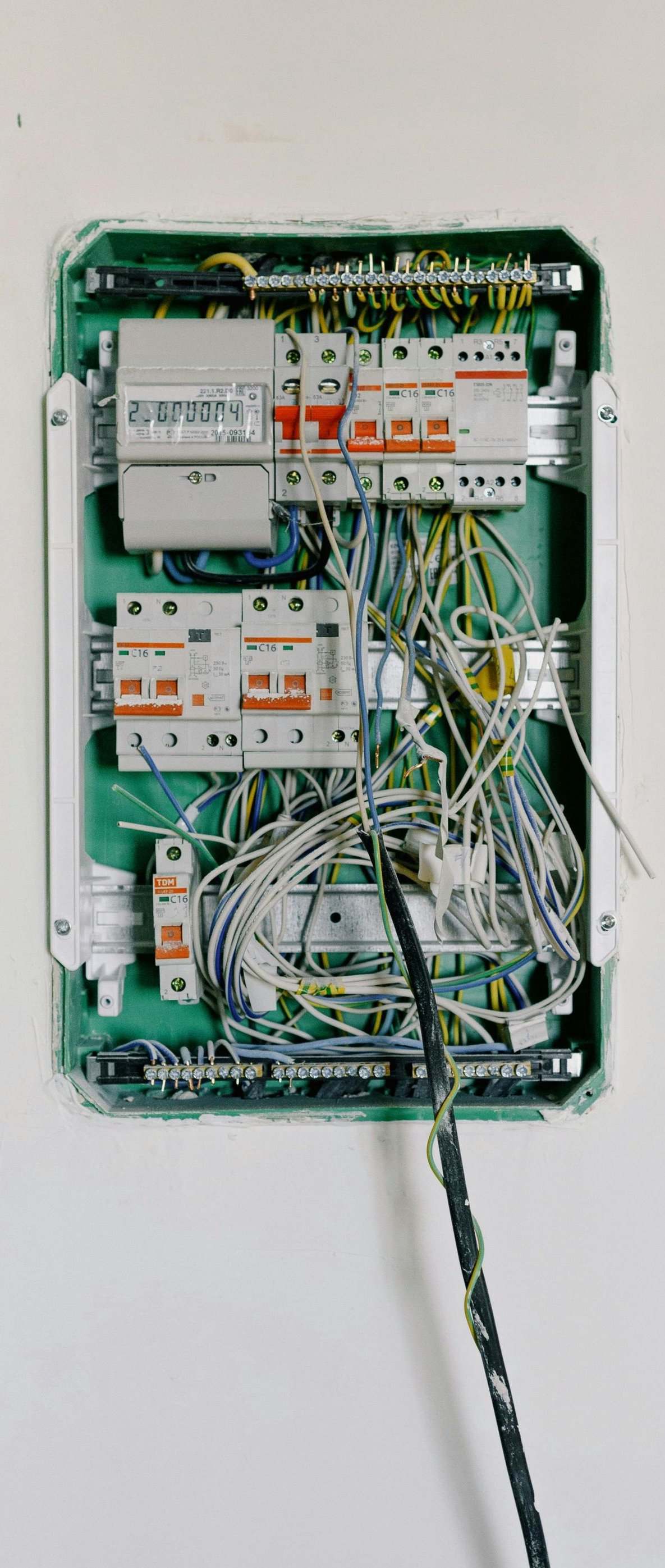
Electrical systems are designed to deliver reliable power for many years, but like any part of the home, wiring has a lifespan. As wiring ages, insulation breaks down, connections loosen, and materials become more brittle. These changes may not be visible from the surface, which is why aging wiring often presents hidden risks. Homeowners may live with outdated or deteriorating electrical systems without realizing they could be increasing the likelihood of electrical malfunctions or safety hazards. At ESD Electric, we help homeowners understand the signs of aging wiring and determine when an upgrade is necessary to protect both property and personal safety.
Why Aging Wiring Becomes a Safety Concern
Older wiring materials were manufactured to meet the standards of their time, but they are not always compatible with the electrical demands of modern living. Appliances today require more power and create higher loads than the electrical systems of past decades were designed to support. When older wiring is paired with high demand devices, the result may be increased heat, overloaded circuits, or reduced performance.
Insulation is another concern. As wiring ages, the protective coating around the conductors may become brittle or cracked. This deterioration exposes the metal underneath, increasing the risk of arcing or electrical faults. These processes may occur gradually and go unnoticed until a problem arises.
Common Types of Outdated Wiring
Homes built before the mid twentieth century may contain knob and tube wiring or aluminum branch circuit wiring. While both systems were considered acceptable during their respective periods, they present challenges today. Knob and tube wiring lacks grounding and is often installed in open air spaces that are now concealed by insulation. Aluminum wiring may loosen at connection points more easily than copper, increasing the risk of overheating.
Even homes built several decades later may contain wiring that is aging past its intended service life. Electrical components were not designed to last indefinitely, and materials degrade over time. When homeowners update appliances or remodel rooms, the electrical demands placed on older wiring increase further.
Why Upgrading Wiring Improves Safety and Reliability
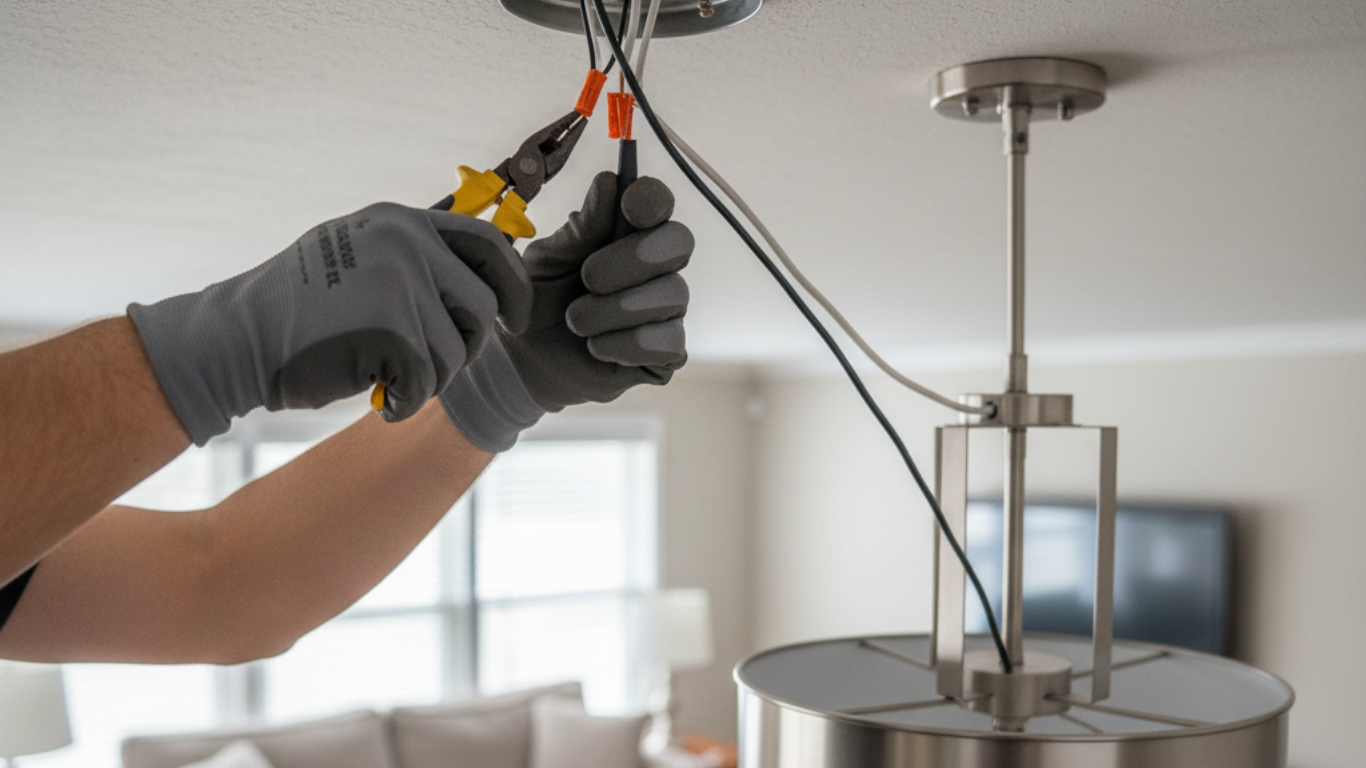
Updating aging wiring helps create a safer and more reliable electrical system. New wiring materials offer improved insulation, better grounding, and safer connections. These upgrades reduce the likelihood of electrical faults and support the power needs of modern appliances.
An upgraded system may also offer better energy efficiency. When wiring connections are secure and materials are in good condition, electrical flow is more stable. This stability helps appliances perform as intended and reduces stress on the electrical panel.
Homeowners who plan to renovate, add new appliances, or expand living spaces often benefit from updated wiring as well. Electrical upgrades ensure that the system will handle increased capacity without strain.
When Homeowners Should Consider a Wiring Upgrade
Several situations indicate that a wiring upgrade may be appropriate. These include:
- The home is more than forty years old
- The home has experienced frequent electrical issues
- Major appliances are being added or replaced
- Renovations or additions are planned
- Aluminum wiring or knob and tube wiring is present
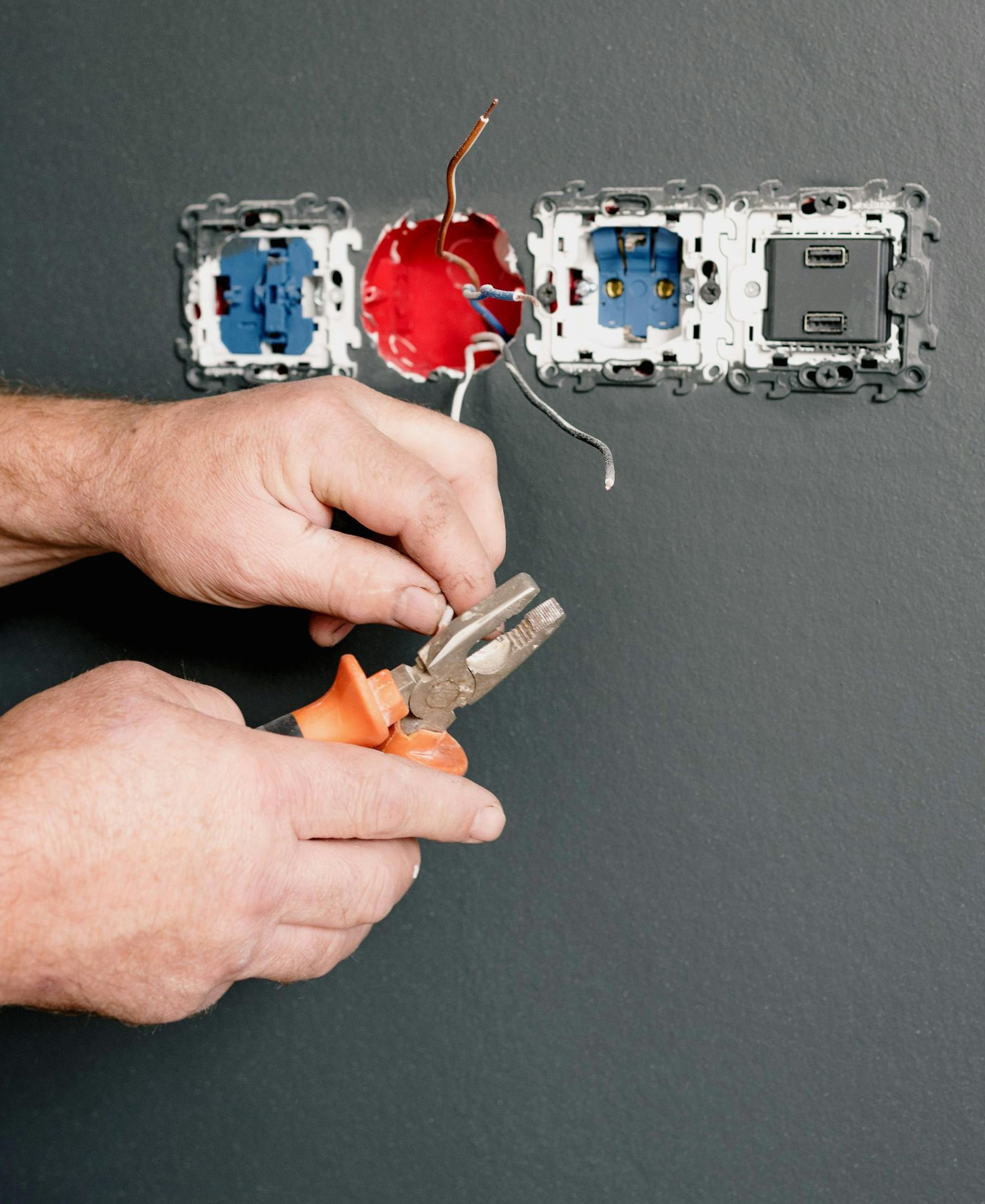
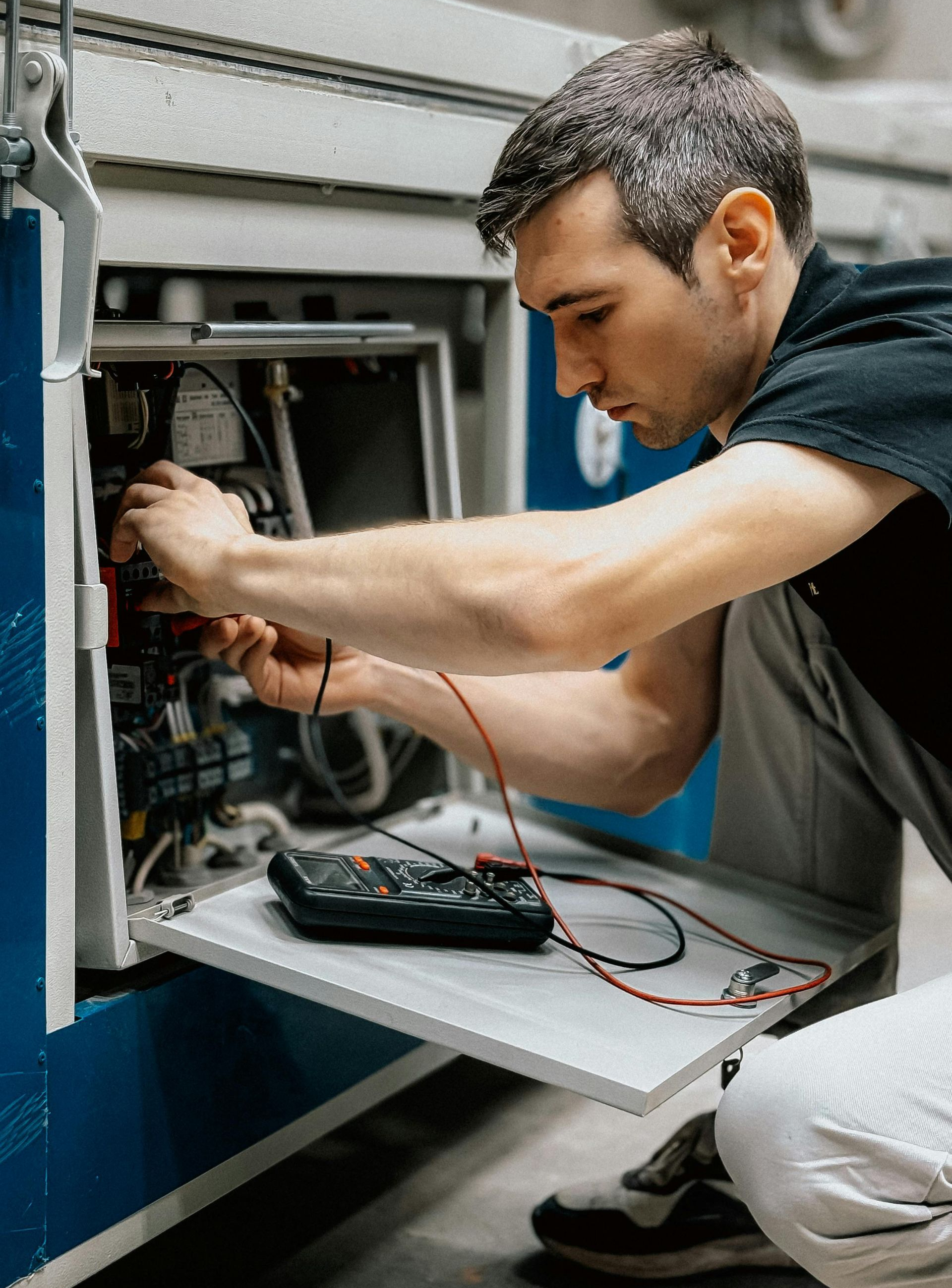
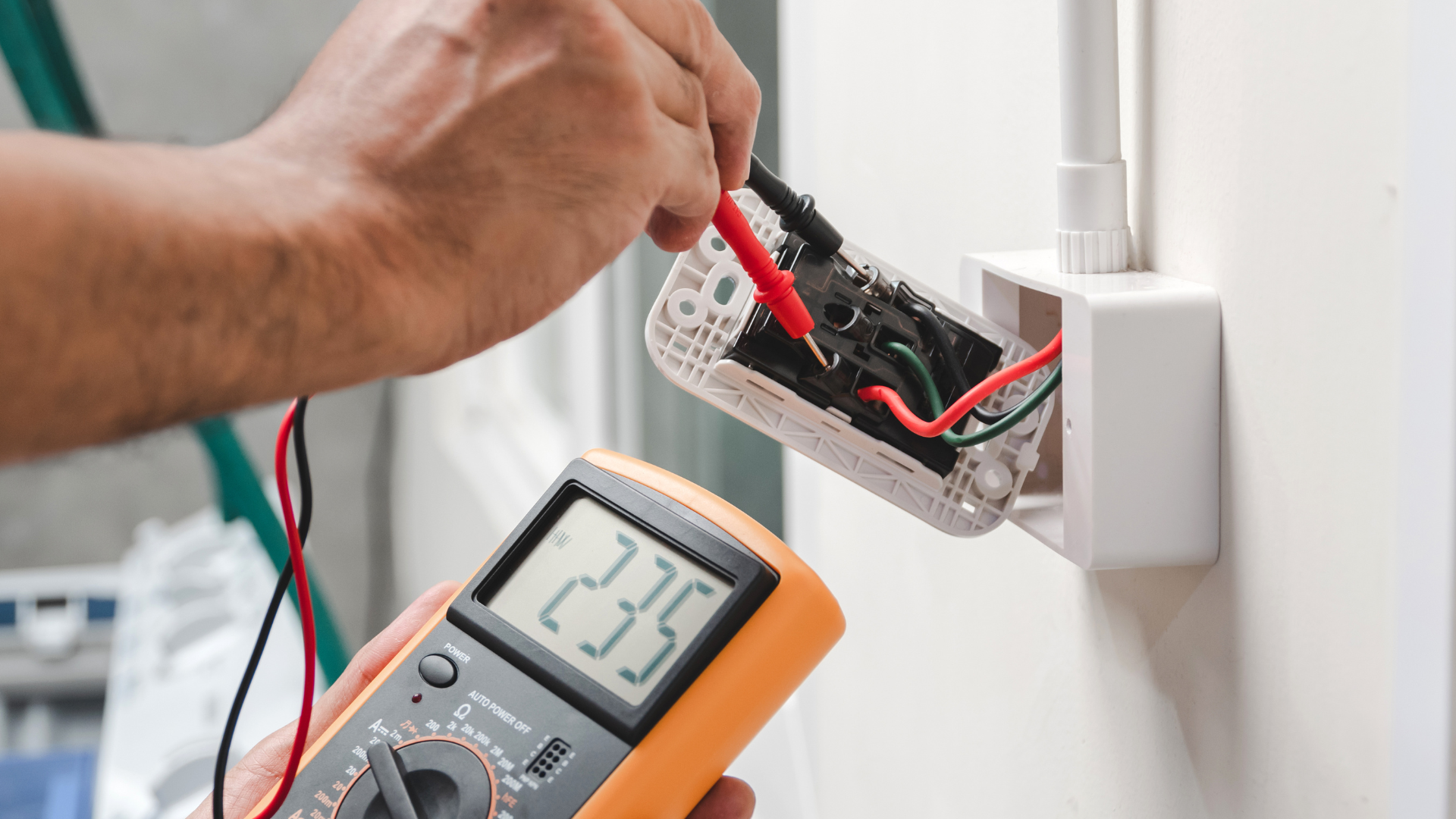
A professional inspection can help determine the condition of the wiring and identify any areas that need improvement. We guide homeowners through the process, provide clear explanations, and make recommendations that support long term safety.
Supporting Safe and Modern Electrical Systems
Aging wiring often carries risks that are not immediately visible. By understanding these risks and responding to early warning signs, homeowners can maintain safer and more reliable electrical systems. At ESD Electric, we help individuals protect their homes by identifying outdated wiring and providing upgrades that meet modern safety standards. With careful planning and professional installation, homeowners can enjoy peace of mind and confidence in the performance of their electrical systems.