Understanding GFCI and AFCI Protection and How They Improve Home Electrical Safety
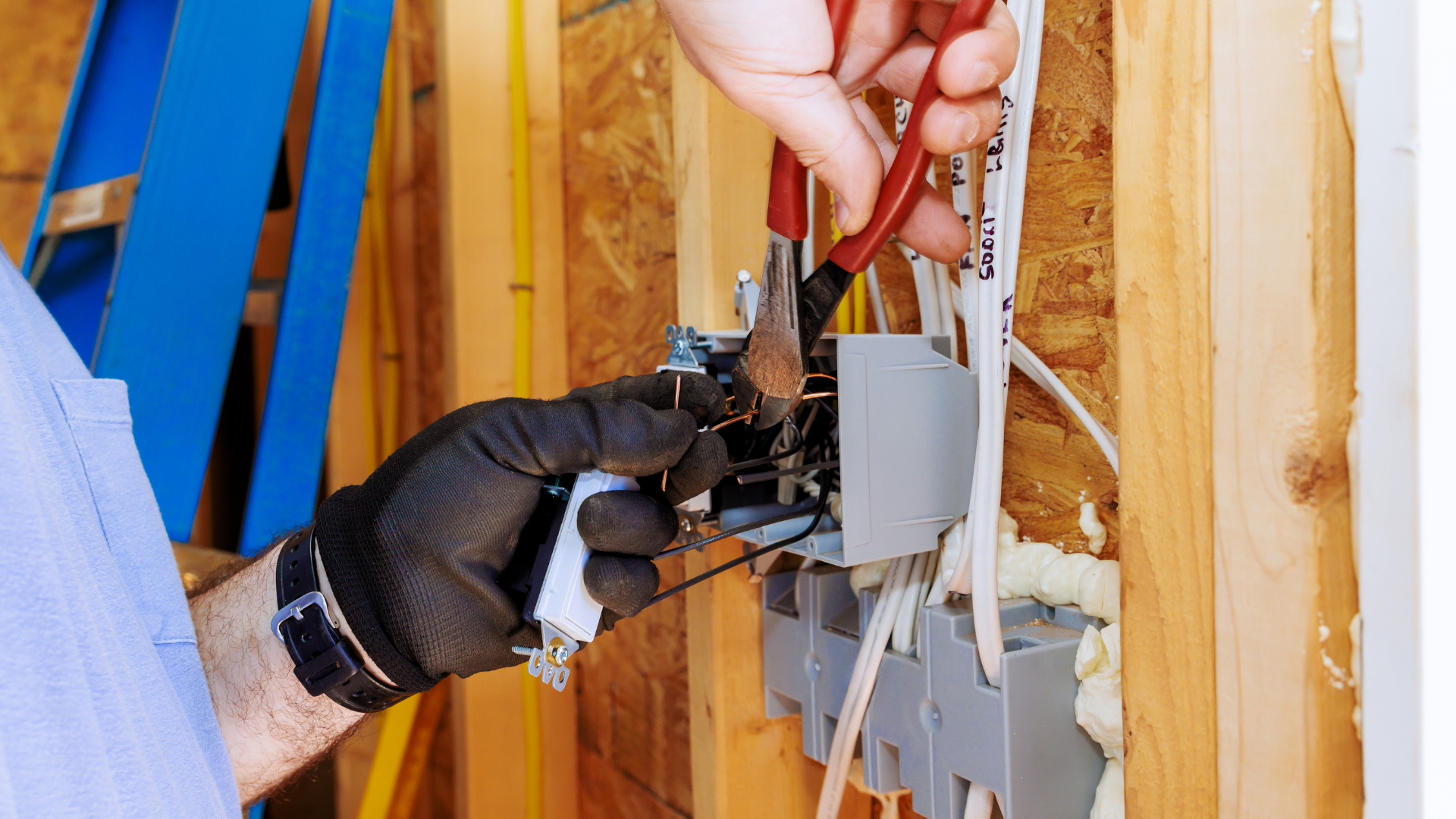
Modern electrical safety relies on multiple layers of protection, and two of the most important safeguards in today’s homes are Ground Fault Circuit Interrupters and Arc Fault Circuit Interrupters. Although their names are similar, they serve different roles and address different types of hazards. At ESD Electric, we help homeowners understand how these devices work, why building codes require them in specific locations, and how proper installation can significantly reduce the risk of shock and fire. Ensuring that a home is equipped with correct and functional protection is a key part of maintaining a safe electrical system.
How GFCI Protection Works
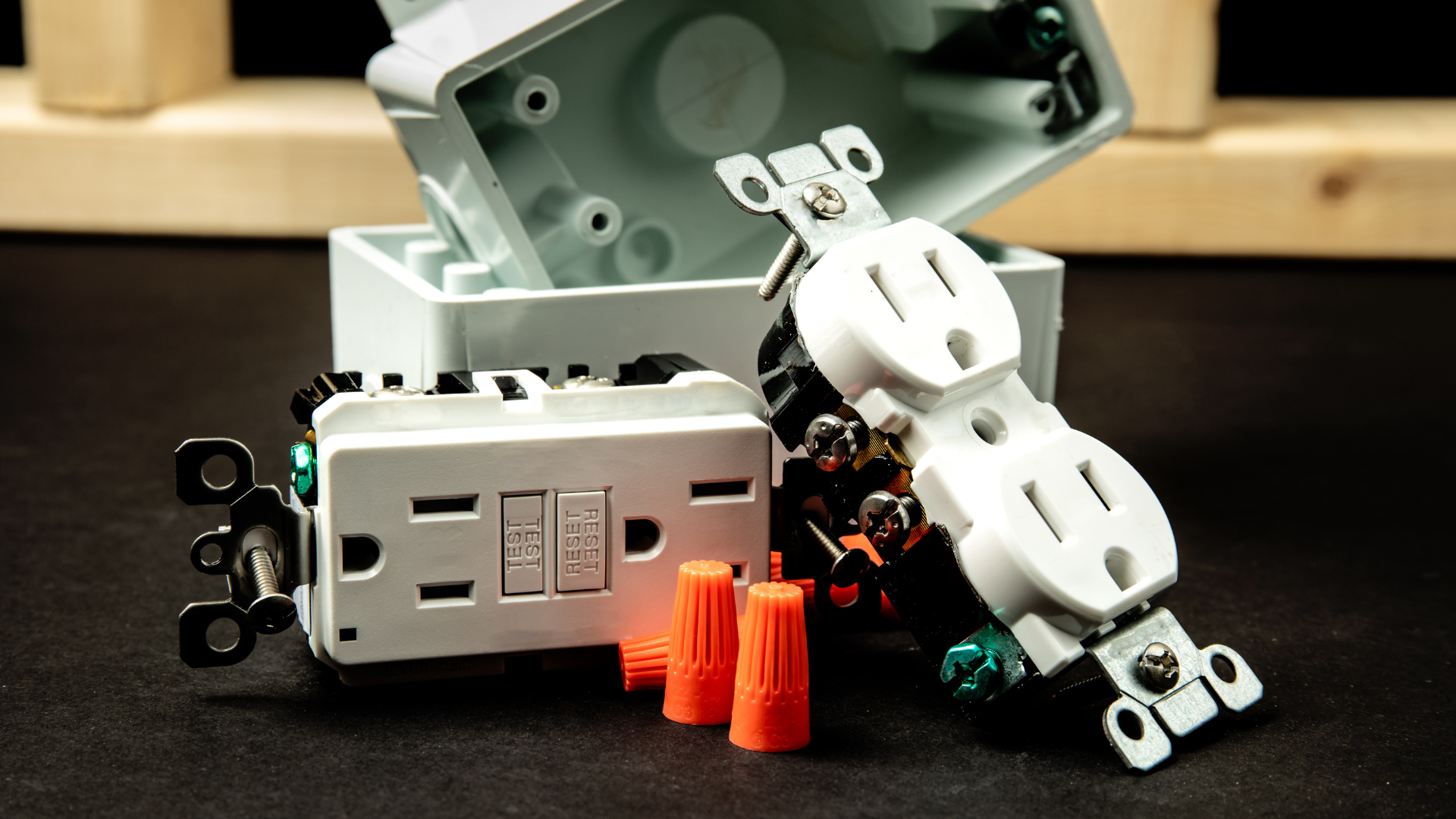
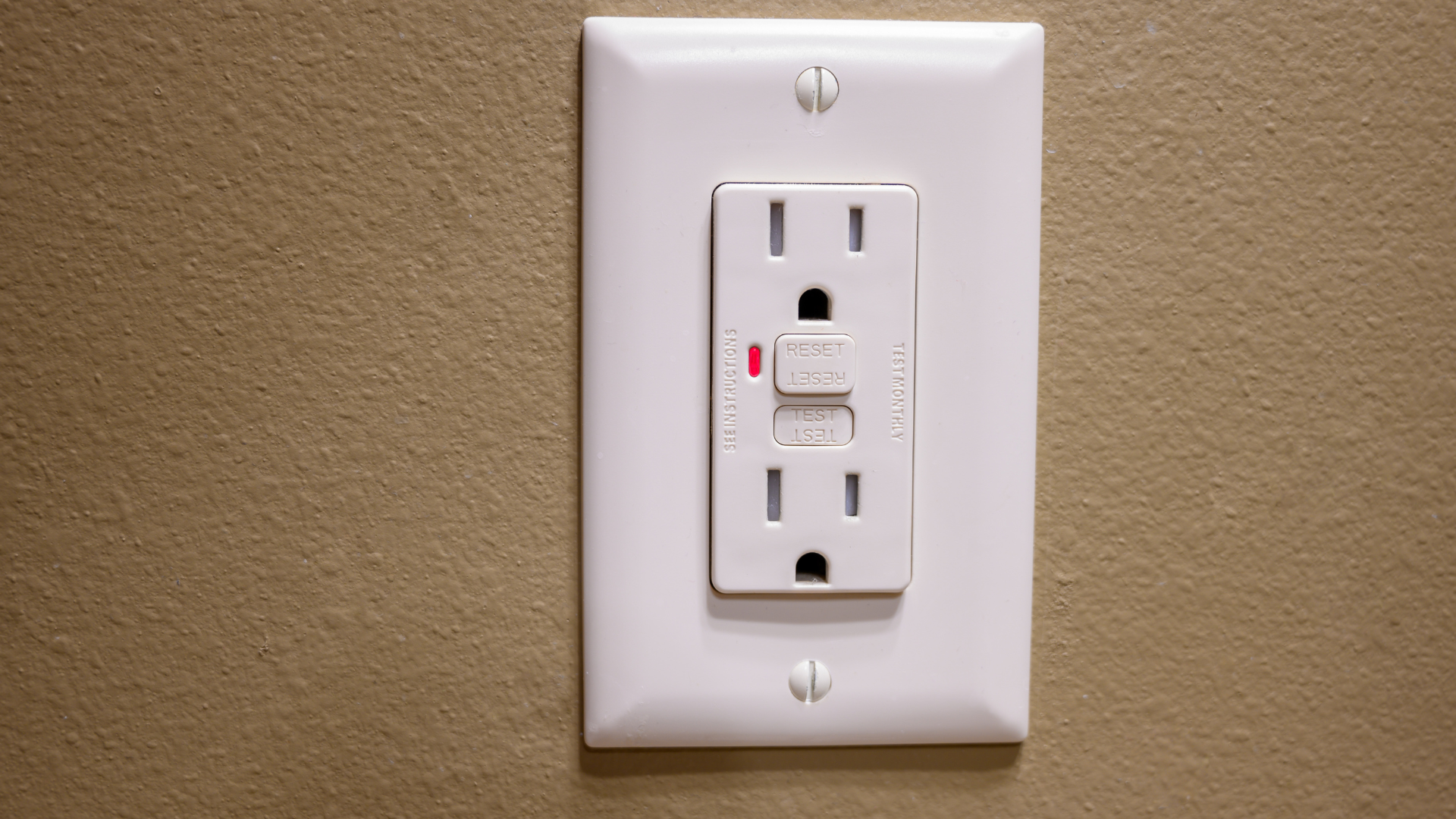
A Ground Fault Circuit Interrupter monitors the electrical current flowing through a circuit and compares the amount of current entering with the amount leaving. If the device detects an imbalance, even one as small as a few milliamps, it reacts almost instantly by shutting off power. This rapid response helps protect individuals from electrical shock.
Ground faults occur when electricity leaves its intended path and flows through an unintended conductor, such as a person or a wet surface. This risk is why GFCIs are required in areas where moisture is present. Bathrooms, kitchens, laundry rooms, garages, and outdoor outlets all require GFCI protection under modern electrical codes.
GFCIs are available in outlet form or as breakers inside the electrical panel. Outlet style GFCIs protect only the devices downstream on that same circuit, while breaker style GFCIs protect the entire circuit. Both serve the same safety purpose by reducing the risk of shock in moisture prone environments.
How AFCI Protection Works
An Arc Fault Circuit Interrupter is designed to prevent electrical fires by detecting hazardous arcing conditions within a wiring system. Arcing occurs when electricity jumps across a gap in a conductor. This may happen when wires become damaged, deteriorated, or loosely connected. These arcs can generate significant heat, often without tripping a standard breaker.
AFCIs continuously monitor the circuit for the signature patterns associated with arcing. When detected, the device shuts off power to prevent the arc from igniting nearby materials. Because arcs can develop behind walls or in hidden areas, AFCIs provide an important level of protection that homeowners cannot visually identify.
Modern electrical codes require AFCI protection in most living areas, including bedrooms, living rooms, hallways, and similar spaces. These areas may contain cords, outlets, and wiring that can become damaged over time. AFCIs help reduce the risk of fires that originate from these hidden electrical issues.
Key Differences Between GFCI and AFCI Devices
Although both devices shut off power when they detect danger, they protect against different hazards.
- GFCIs help prevent electrical shock by detecting current imbalances.
- AFCIs help prevent electrical fires by detecting arcing conditions.
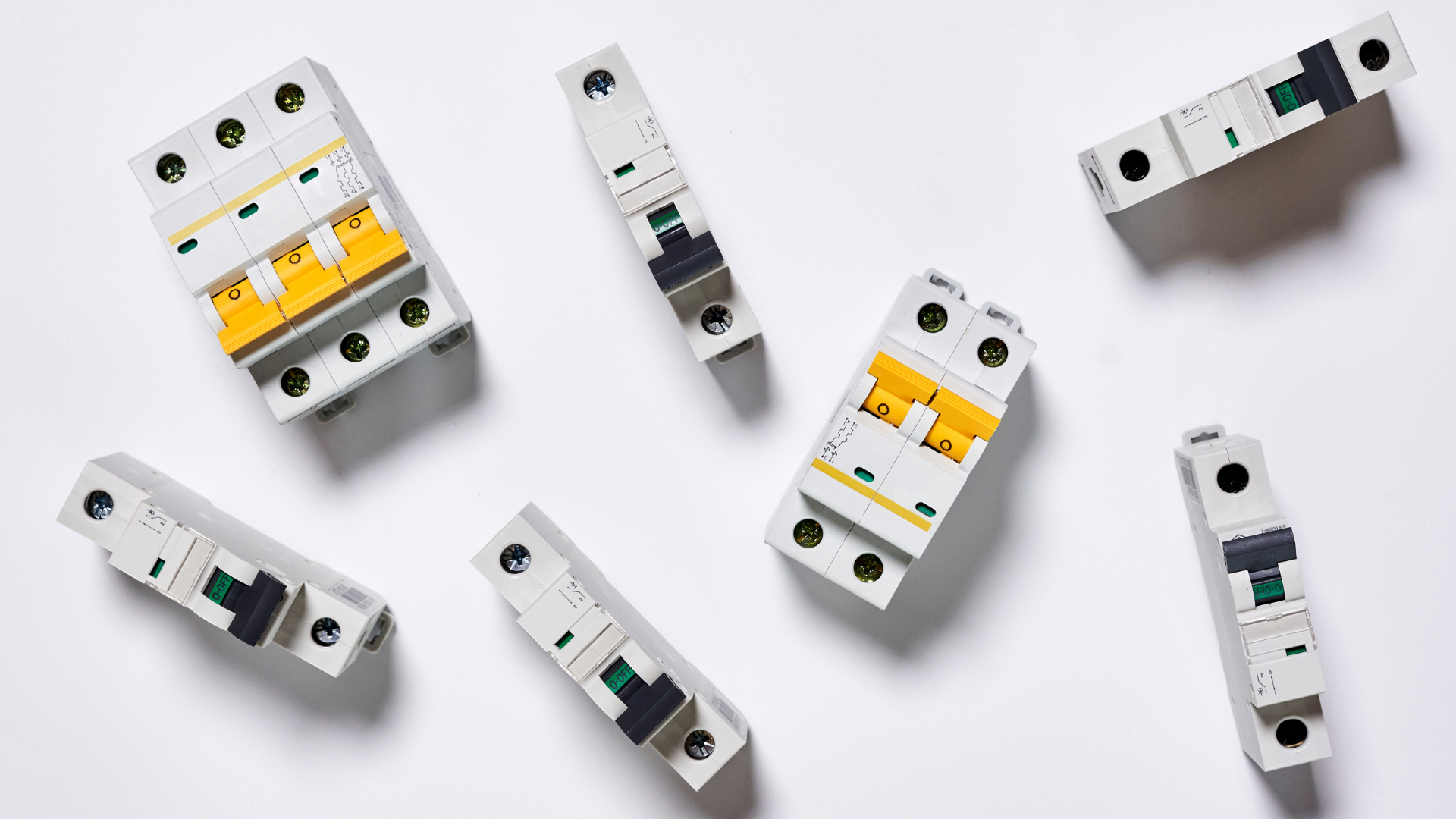
Neither device replaces the other. In many areas of a home, building codes require both types of protection. Some manufacturers now produce combination devices that offer both GFCI and AFCI features in a single breaker for added convenience and comprehensive coverage.
Signs That You May Need Updated Protection
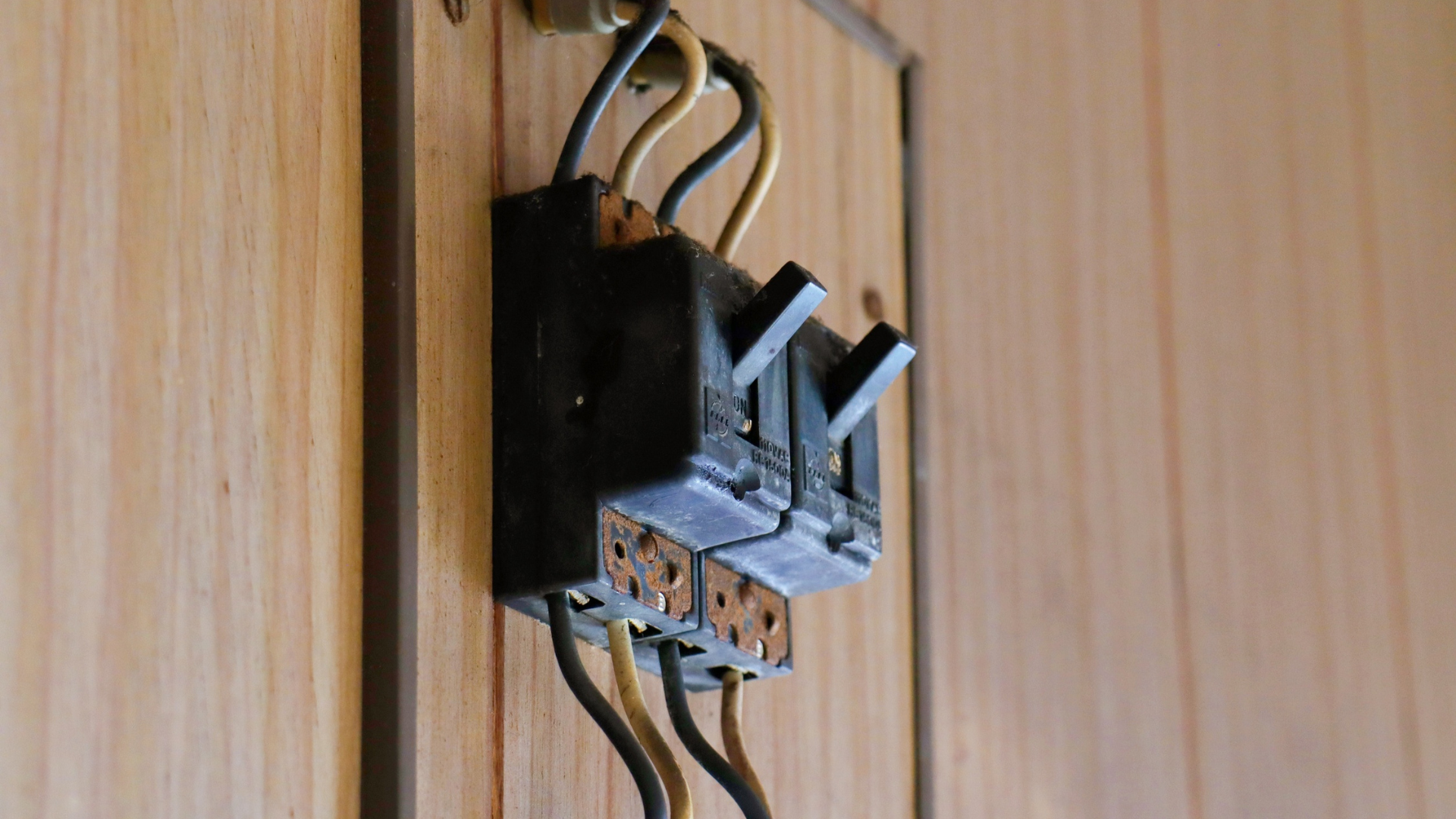
Homes built before modern electrical code updates may lack the required devices or may have outdated breakers that no longer provide adequate protection. Warning signs include outlets that feel warm, frequent nuisance tripping, sparking when plugging in appliances, buzzing outlets, or areas without GFCI protection where moisture is present.
Even if the electrical system appears to function normally, an older panel may not support current safety standards. A professional inspection helps determine whether your home requires upgrades to meet modern requirements.
How ESD Electric Can Help Protect Your Home
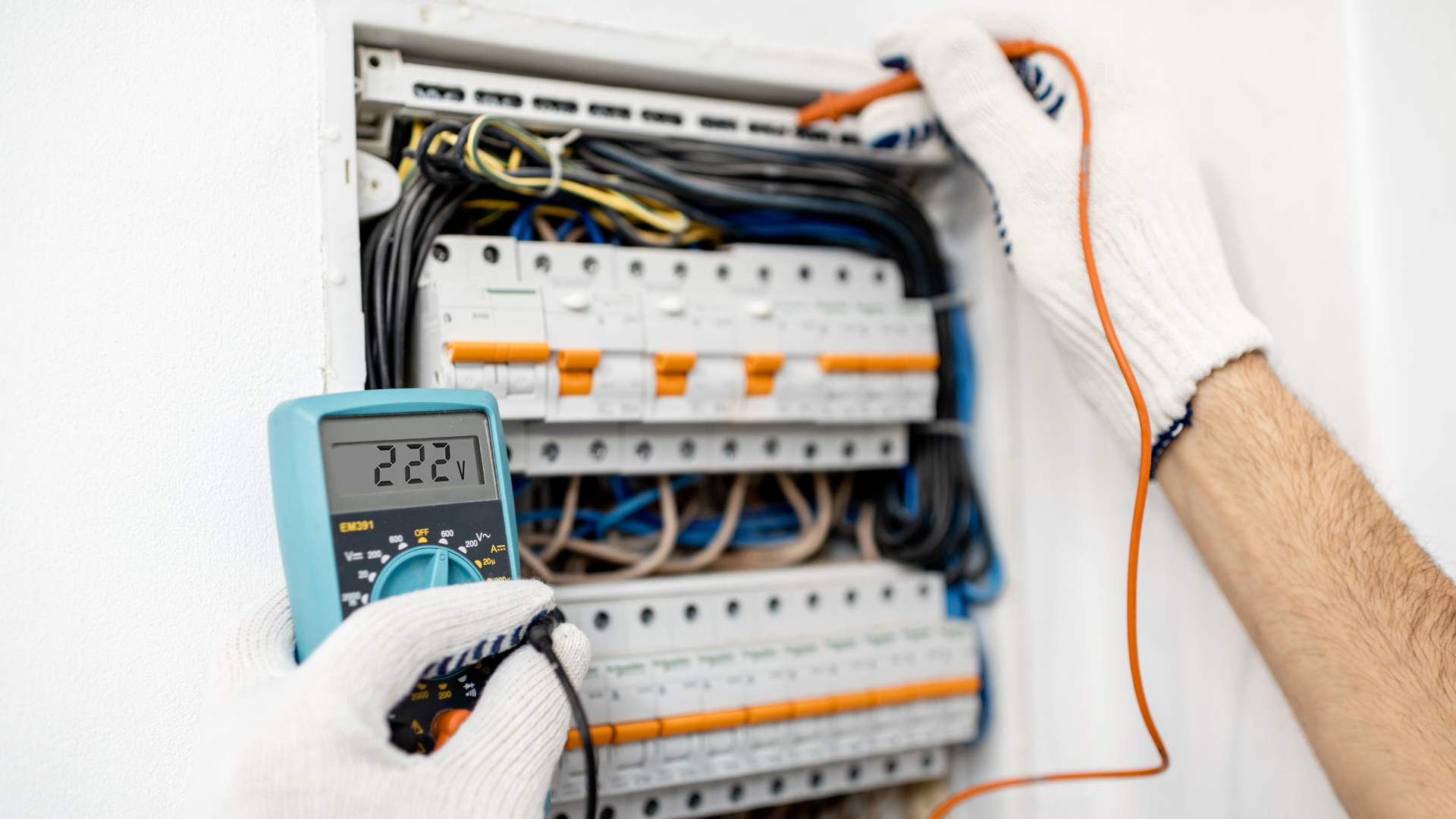
We provide thorough electrical evaluations to identify whether a home has proper GFCI and AFCI protection. Our technicians examine outlet locations, circuit layouts, and breaker panel configurations to ensure that all required safety devices are present and functional. When upgrades are needed, we install high quality devices that meet current safety standards and improve the reliability of the electrical system.
We also help homeowners understand how to test GFCI outlets, how to recognize warning signs of wiring problems, and when to schedule professional service. Proper protection creates safer living spaces, and our team is committed to providing solutions that reduce risk and improve long term electrical safety.
A Safer Home Through Modern Electrical Protection
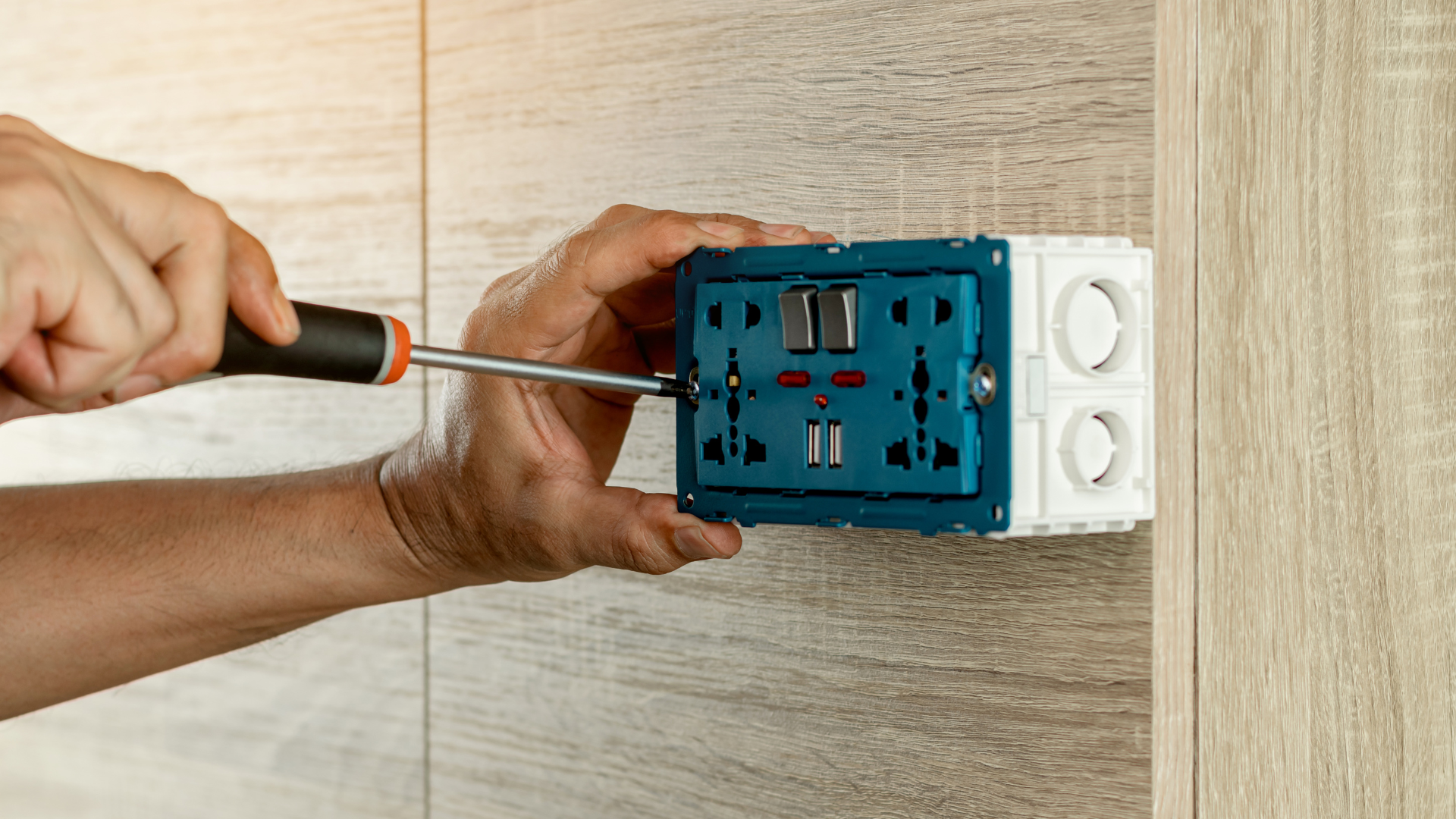
GFCI and AFCI devices serve distinct yet equally important roles in preventing shocks and electrical fires. With proper installation and routine inspection, these devices offer strong protection for families and their homes. At ESD Electric, we help homeowners stay safe by ensuring that their electrical systems are equipped with the most reliable safeguards available. Through careful evaluation and expert service, we provide a safer and more dependable home environment.