How Power Surges Can Damage Electronics and What to Do About It
Power surges are a common electrical issue that many homeowners and business owners underestimate. While they may seem rare or insignificant, power surges can cause serious damage to electronics, appliances, and electrical systems over time. Understanding what causes power surges and how to protect against them is an important part of maintaining a safe and reliable electrical system.
What Is a Power Surge
A power surge occurs when there is a sudden increase in electrical voltage flowing through a system. Most electronics are designed to operate within a specific voltage range. When voltage exceeds that range, even briefly, sensitive components can be damaged.
Surges can happen in an instant and may not always cause immediate failure. In many cases, damage accumulates gradually, shortening the lifespan of devices without obvious warning signs.
Common Causes of Power Surges
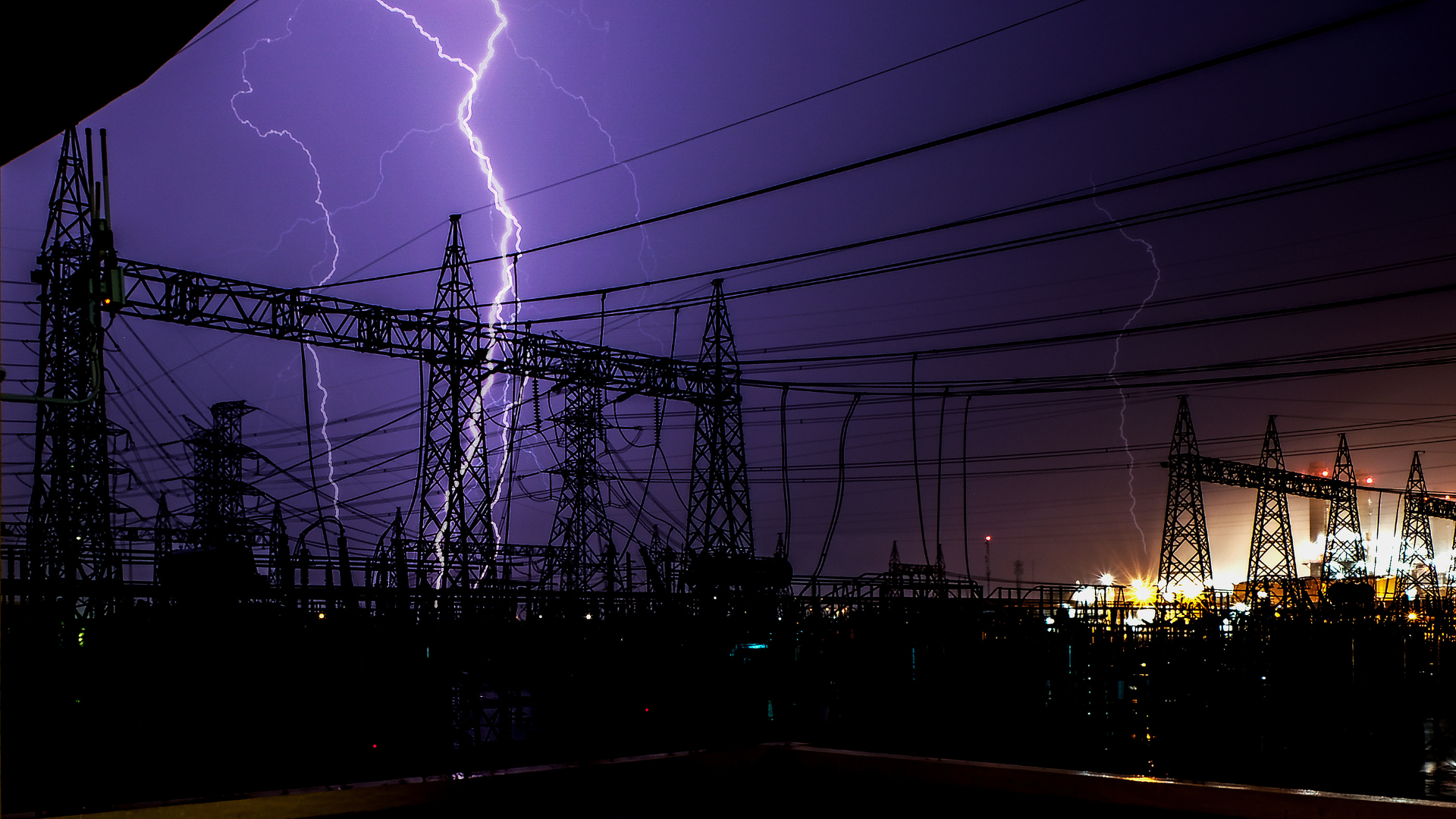
Power surges can originate from several sources. Lightning strikes are often the most well known cause, but they are not the most common. Utility grid switching, power outages followed by restoration, and large appliances cycling on and off can all create voltage spikes.
Internal surges caused by motors in HVAC systems, refrigerators, or industrial equipment are particularly frequent. These smaller surges happen regularly and can slowly degrade electronic components.

How Electronics Are Affected
Modern electronics rely on delicate circuitry that is highly sensitive to voltage fluctuations. Televisions, computers, networking equipment, smart home devices, and medical equipment are especially vulnerable.
Damage from surgesmay result in complete failure, intermittent performance issues, or reduced efficiency. In some cases, devices may continue to function but fail unexpectedly later, making the cause difficult to trace.
Why Power Strips Are Not Always Enough
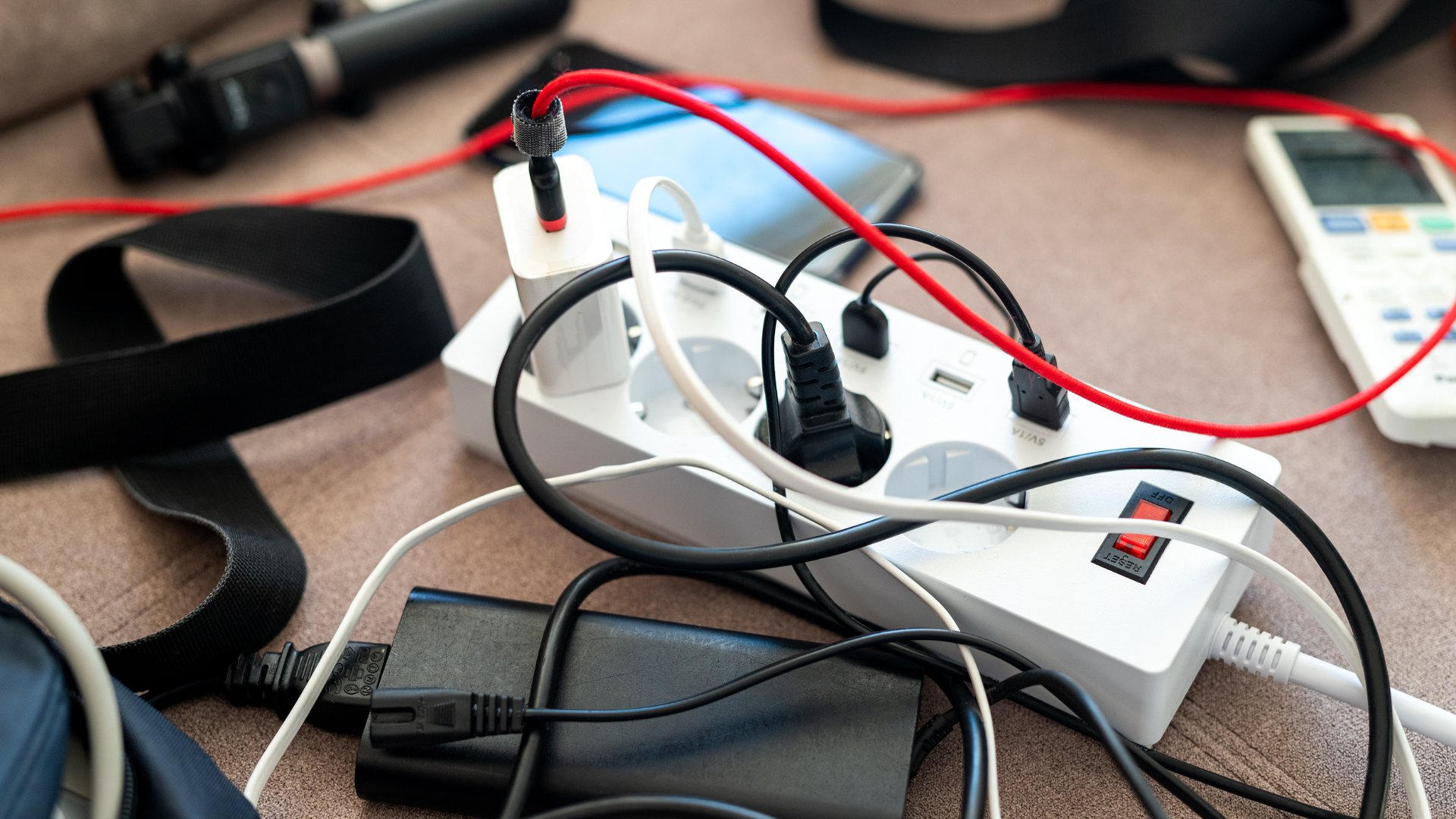
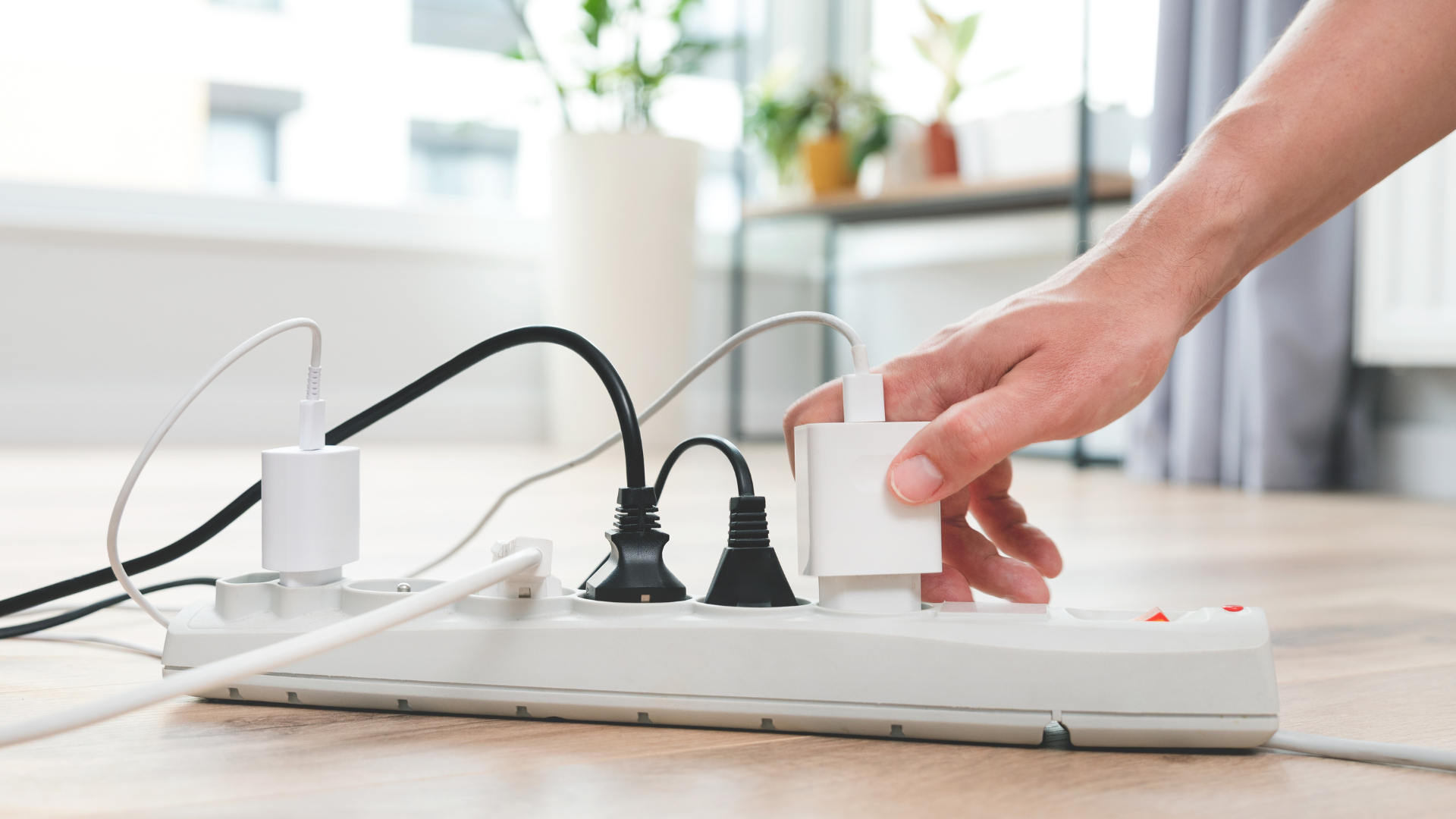
Many people rely on basic power strips with built in surge protection. While these can offer limited protection against small surges, they are not designed to handle larger or repeated voltage spikes.
Power strips also protect only the devices plugged directly into them. Hardwired systems such as HVAC units, built in appliances, and lighting circuits remain unprotected.
Whole System Surge Protection
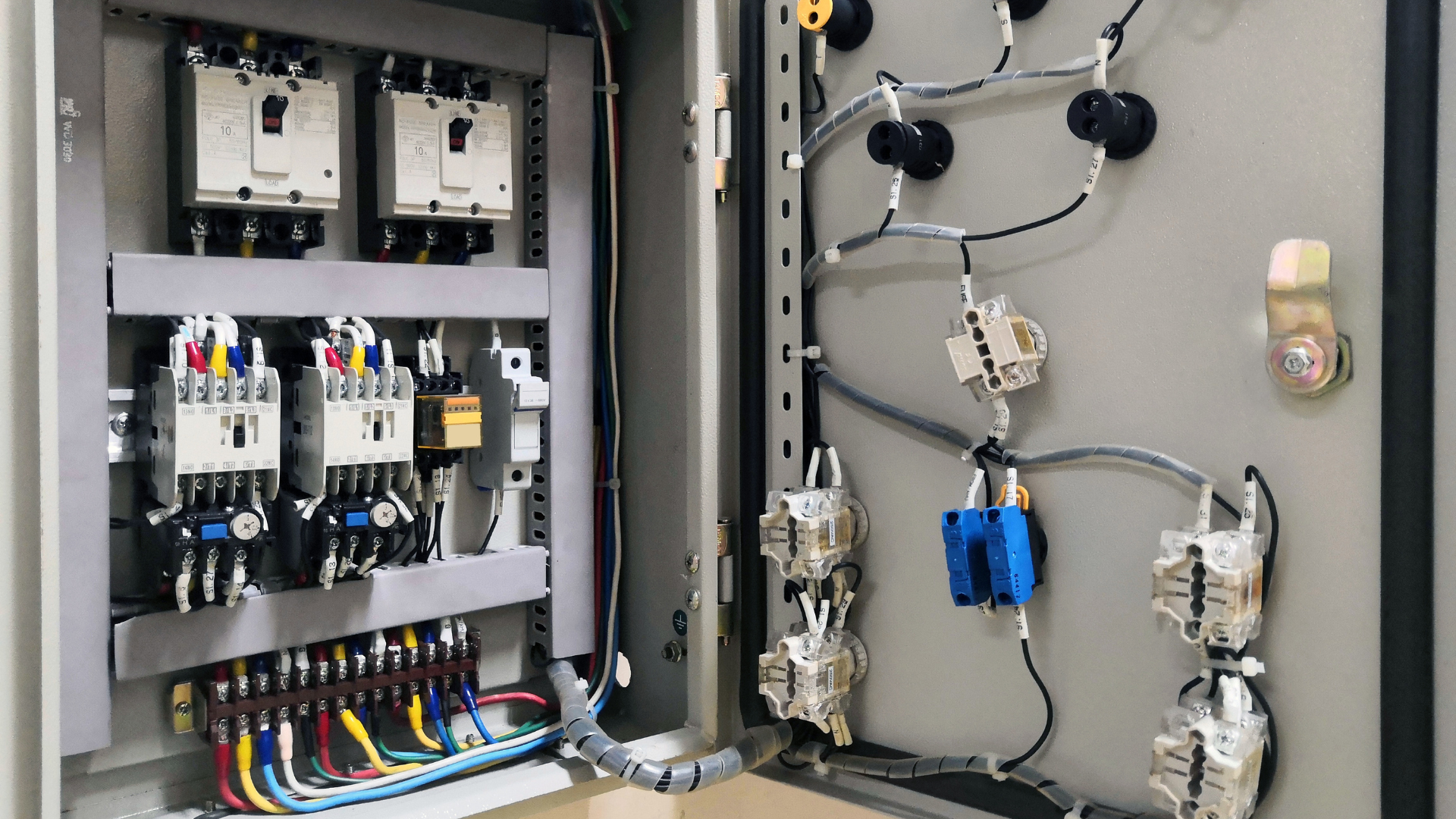
One effective way to reduce surge related risk is through whole system surge protection. These devices are installed at the electrical panel and help manage voltage spikes before they reach individual circuits.
By addressing surges at the source, whole system protection provides broader coverage for electronics throughout the property. This approach helps reduce cumulative damage caused by frequent minor surges.
The Role of Electrical Inspections
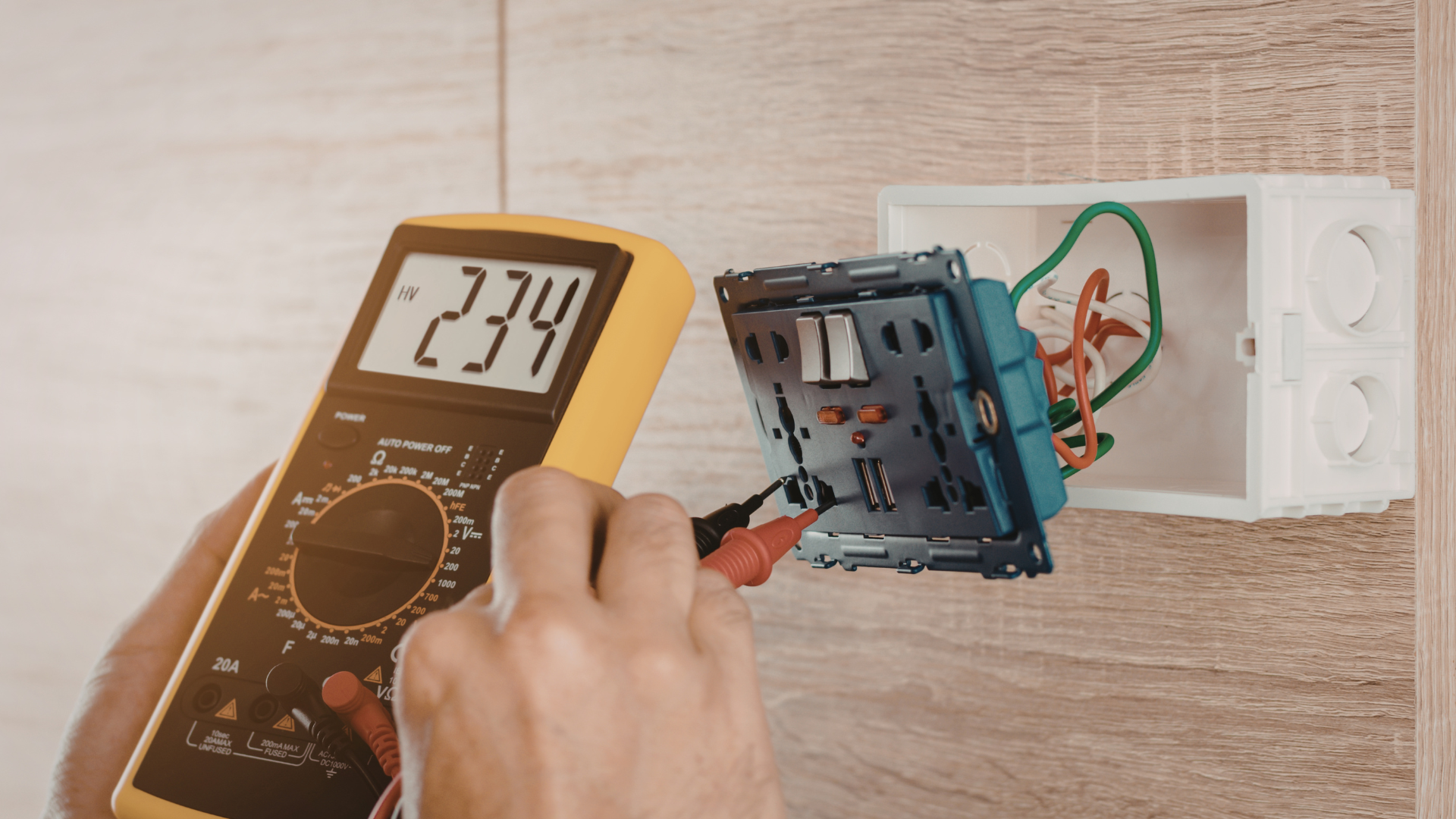
Surge protection works best as part of a properly functioning electrical system. Outdated panels, improper grounding, and aging wiring can increase vulnerability to voltage fluctuations.
Regular electrical inspections help identify conditions that may contribute to surge damage. Addressing these issues supports both safety and system reliability.
Warning Signs of Surge Related Issues
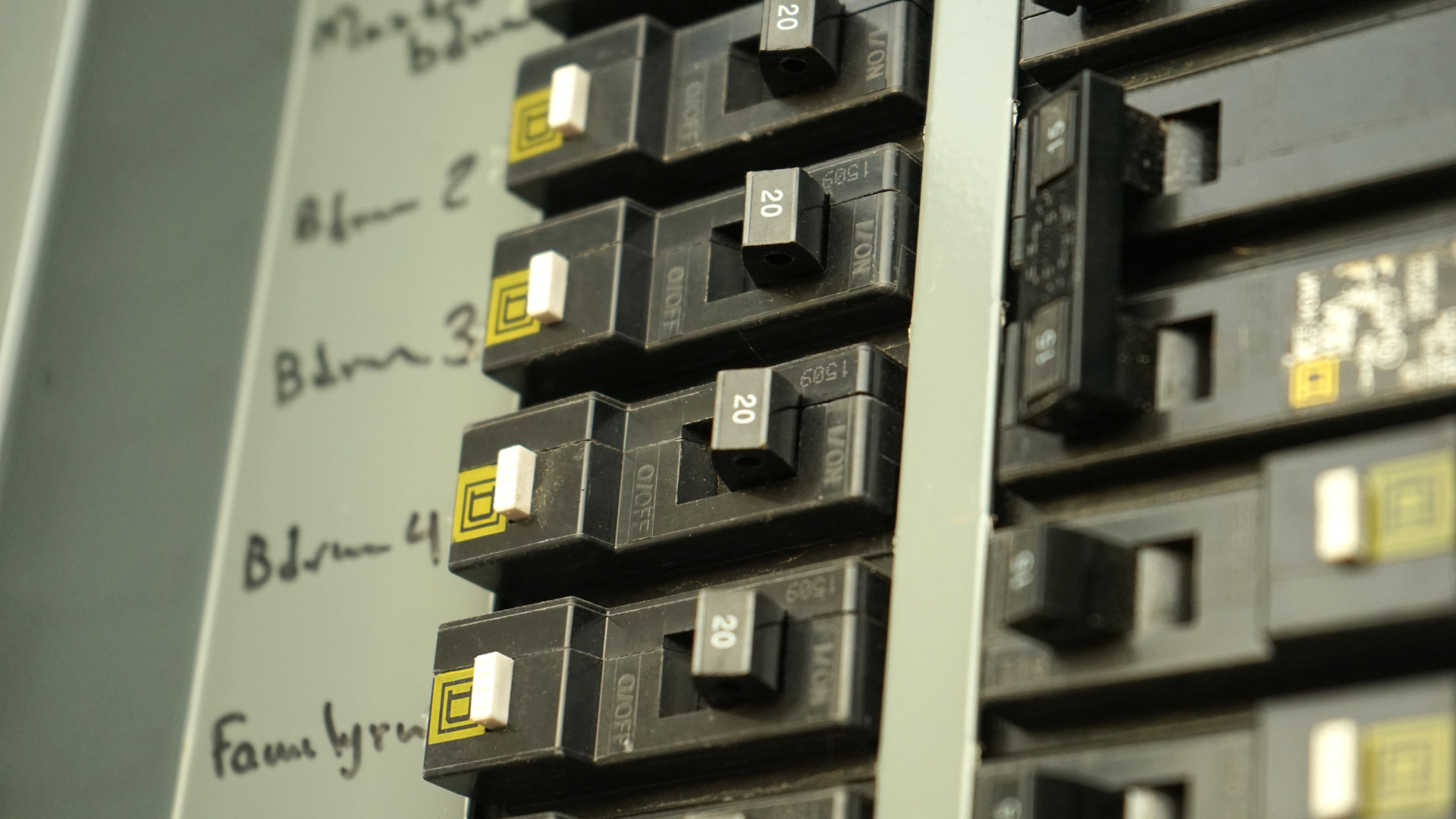
Some signs that a property may be experiencing surge related problems include frequent tripped breakers, flickering lights, or devices that fail prematurely. While these symptoms can have multiple causes, they warrant professional evaluation.
Ignoring these signs can lead to escalating problems and higher replacement costs over time.

Protecting Your Investment
Electronics and electrical systems represent a significant investment. Protecting them from power surges helps preserve functionality and reduce unexpected expenses.
A proactive approach to surge protection supports long term performance and peace of mind. It also reduces the risk of data loss, equipment downtime, and inconvenience.
Professional Guidance Makes the Difference
Power surge protection is not a one size fits all solution. The right approach depends on system capacity, usage patterns, and the types of equipment in use.
At ESD Electric, we help homeowners and businesses understand surge risks and implement effective protection strategies. By addressing power surges thoughtfully and professionally, we help protect electrical systems and the devices that depend on them.