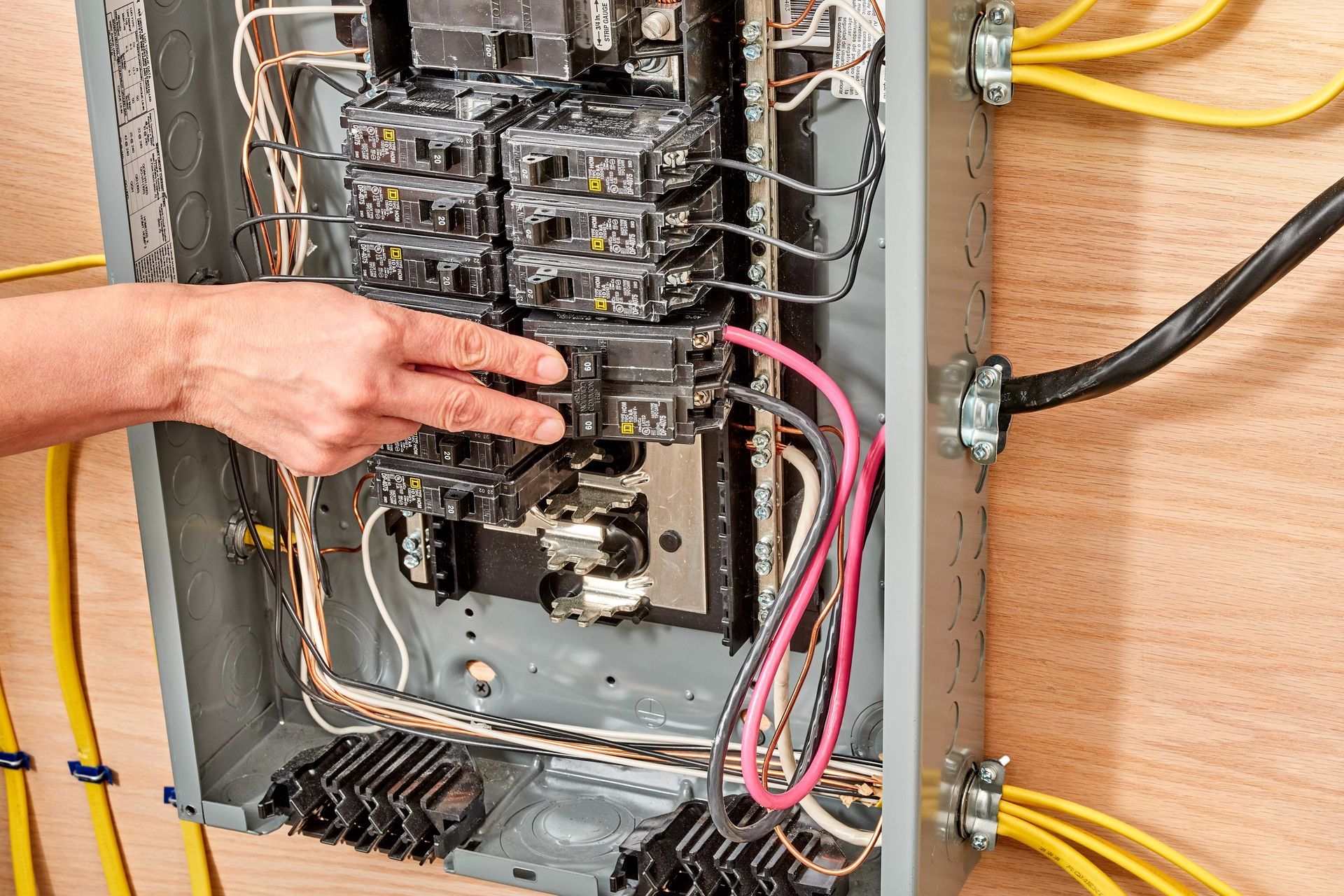
Subpanel Installation Explained: When and Why You Need One
As homes and commercial spaces evolve, so do their electrical demands. Additional appliances, workshops, home offices, electric vehicle chargers, and renovations all place new strain on existing electrical systems. One solution that often provides both flexibility and safety is a subpanel installation.
At ESD Electric, we regularly install subpanels for homeowners and businesses looking to expand their electrical capacity in a safe, organized, and code-compliant manner. Understanding what a subpanel is, how it works, and when it is needed can help property owners make informed decisions about upgrading their electrical systems.
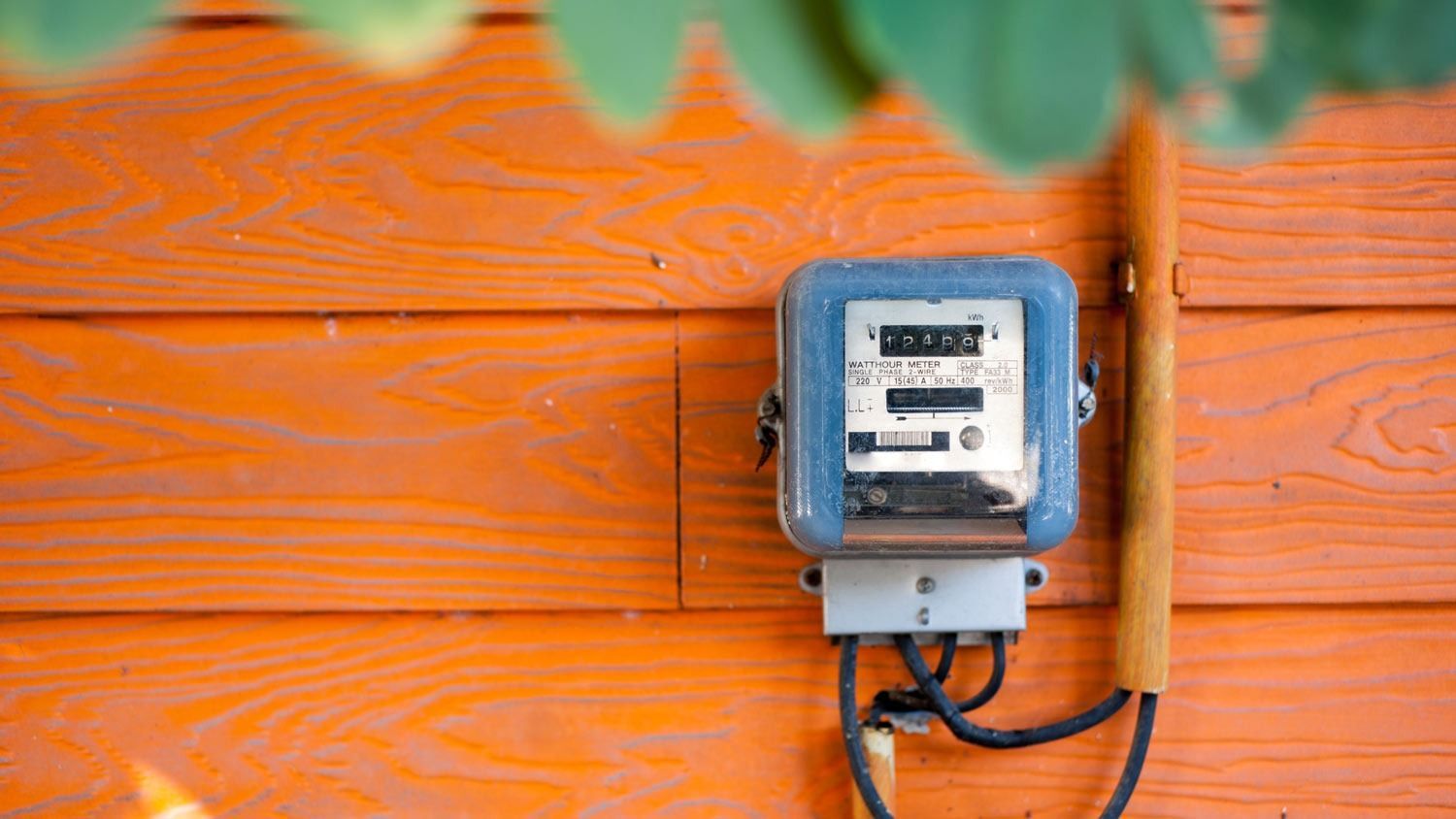
What Is a Subpanel?
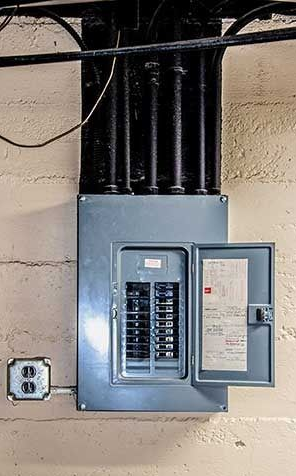
A subpanel, sometimes referred to as a secondary panel, is an additional electrical panel that branches off from your main service panel. While the main panel distributes electricity throughout the entire property, a subpanel serves a specific area or group of circuits.
The subpanel does not increase the total power coming into your home or building. Instead, it redistributes power more efficiently to designated zones. For example, a detached garage, finished basement, workshop, or room addition may benefit from having its own dedicated panel.
Subpanels contain their own circuit breakers, allowing you to manage and protect individual circuits in the area they serve.

How Does a Subpanel Work?
Electricity enters your property through the main service panel. From there, a feeder circuit runs from the main panel to the subpanel. This feeder supplies power to the subpanel, which then distributes electricity to circuits connected to that specific area.
The subpanel has its own breaker that protects the feeder line. Inside the subpanel, individual breakers protect each branch circuit. This layered protection enhances both safety and organization.
Proper grounding and neutral separation are critical components of subpanel installation. Code-compliant wiring ensures that the system operates safely and reduces the risk of electrical faults.
When Do You Need a Subpanel?
There are several common situations where installing a subpanel makes sense.
1. Home Additions or Renovations
If you are adding square footage, finishing a basement, or building an addition, your main panel may not have enough space for additional breakers. A subpanel allows you to
add circuits without overcrowding your primary panel.
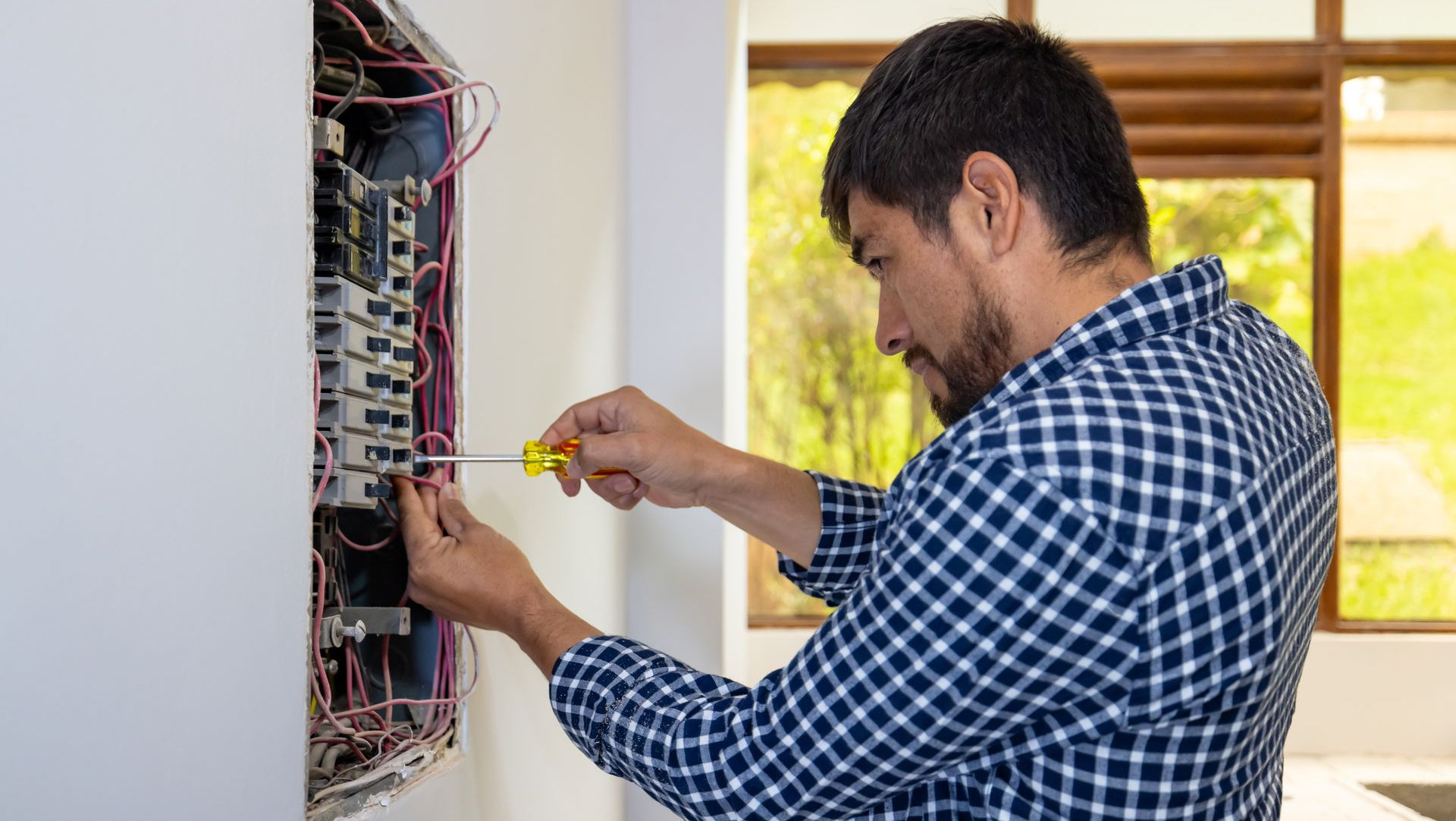
2. Detached Structures
Garages, sheds, or workshops that require multiple outlets, lighting circuits, or heavy equipment often benefit from a dedicated subpanel. Instead of running numerous individual circuits from the main panel, a single feeder can power a subpanel in the detached structure.
3. Workshops and High-Demand Equipment
Woodworking shops, home gyms, and hobby spaces often include equipment that draws significant power. A subpanel provides better organization and load management for these specialized circuits.
4. Electric Vehicle Chargers
Installing an EV charger may require additional electrical capacity. In some cases, a subpanel helps manage load distribution and prevents overloading the main panel.
5. Commercial Spaces
Businesses that expand operations or reconfigure layouts often require additional circuits. A subpanel allows electrical systems to grow alongside operational needs.
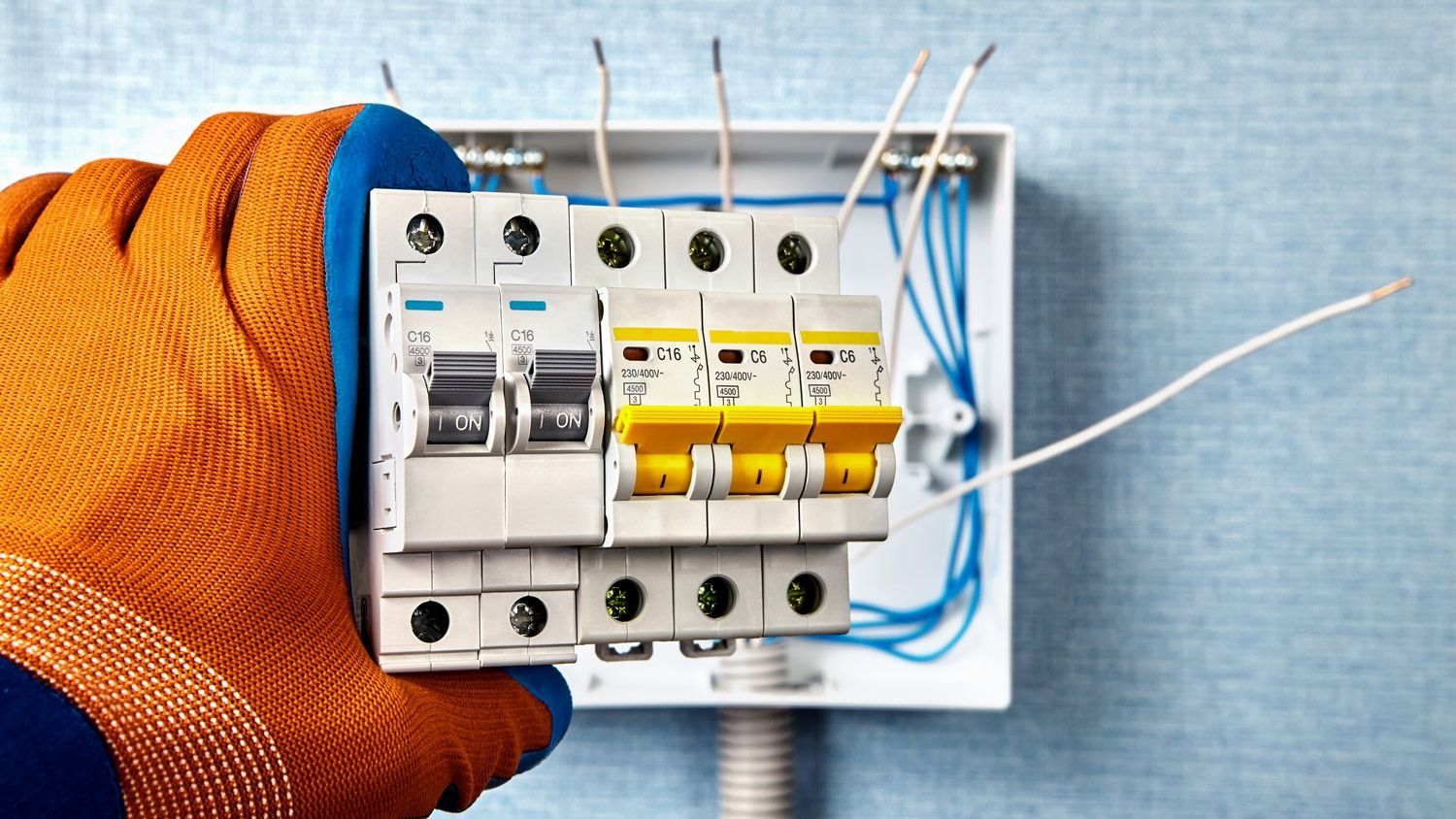
Benefits of Subpanel Installation
Subpanels offer several practical advantages.
1. Improved Circuit Organization
Keeping related circuits grouped in one panel simplifies troubleshooting and maintenance.
2. Increased Safety
Properly distributing electrical loads reduces strain on the main panel and decreases the risk of overheating or breaker failure.
3. Future Expansion
A subpanel creates space for additional circuits down the line, making future upgrades more straightforward.
4. Convenience
Having local breaker control in a garage or addition eliminates the need to return to the main panel to reset a breaker.

Professional Installation Matters
Subpanel installation is not a DIY project. It requires careful load calculations, proper breaker sizing, correct grounding, and strict adherence to electrical code requirements. Improper installation can lead to overloaded circuits, shock hazards, or fire risks.
At ESD Electric, we evaluate your existing electrical capacity before recommending a subpanel. We ensure that your main panel can support the additional feeder load and that the installation complies with current electrical codes.
Expanding Your Electrical System Safely
Modern homes and businesses demand more electricity than ever before. A subpanel is a smart solution when additional circuits are needed without overloading the primary panel. Whether you are planning a renovation, building a detached structure, or upgrading for new equipment, a professionally installed subpanel provides flexibility, safety, and long-term reliability.
If you are considering expanding your electrical system, ESD Electric can help assess your needs and determine whether a subpanel installation is the right solution for your property.