Sustainable Electrical Design and LEED Certification: How ESD Electric Supports Green Building Projects
Powering Sustainability
Energy efficiency and environmental responsibility are no longer optional; they are expectations. At ESD Electric, we believe that electrical systems should do more than provide power. They should promote sustainability, reduce waste, and align with the goals of modern green building standards. Through careful planning, smart technology, and a deep understanding of regulatory frameworks, we help our clients meet and exceed LEED certification requirements while supporting their long-term ESG commitments.
Building for the Future
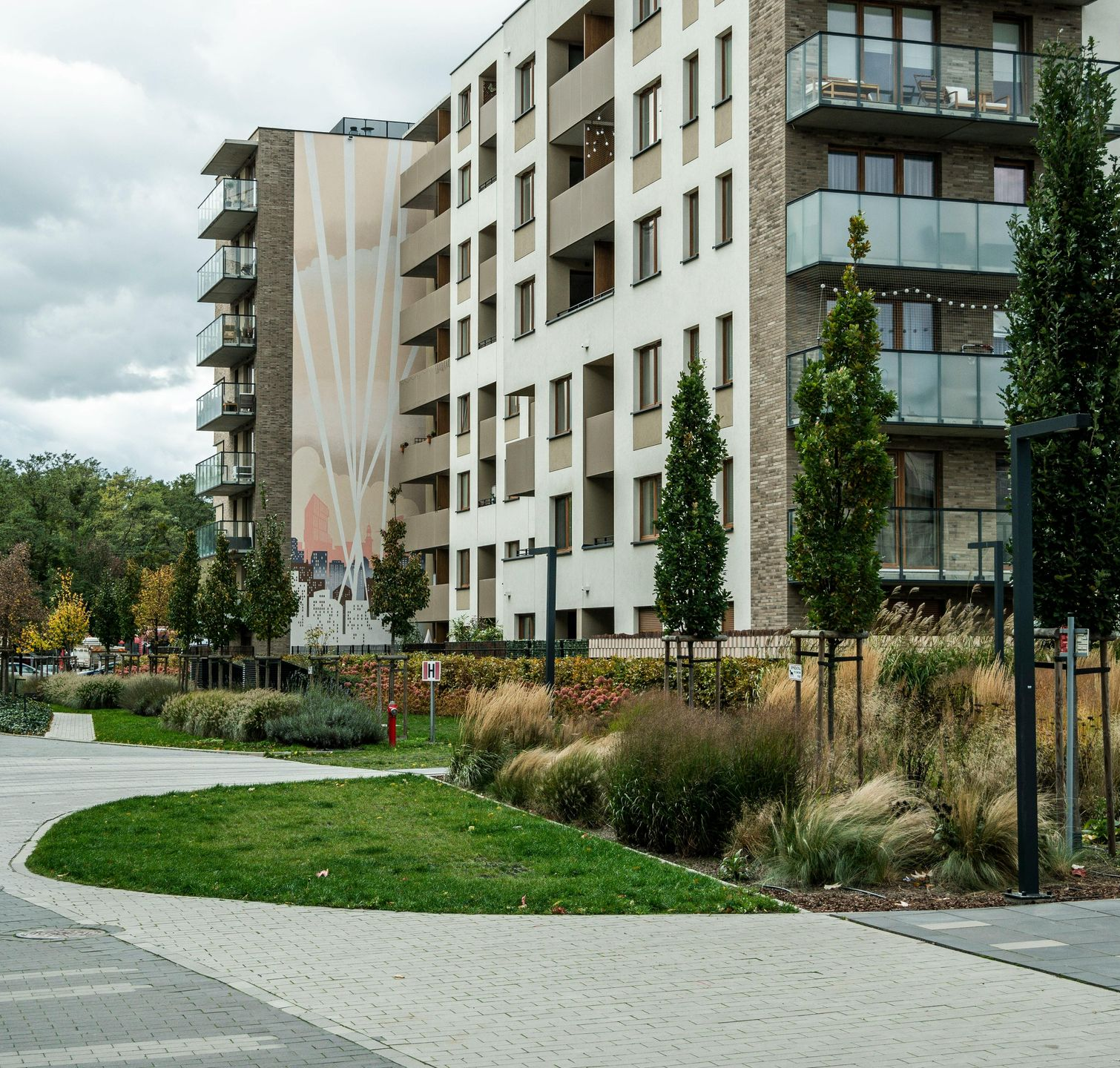
LEED, or Leadership in Energy and Environmental Design, is the globally recognized standard for sustainable construction. Developed by the U.S. Green Building Council, the LEED framework promotes energy efficiency, resource conservation, and environmental health in both new and existing buildings. Projects that achieve LEED certification reduce carbon emissions, lower operating costs, and enhance occupant comfort and productivity.
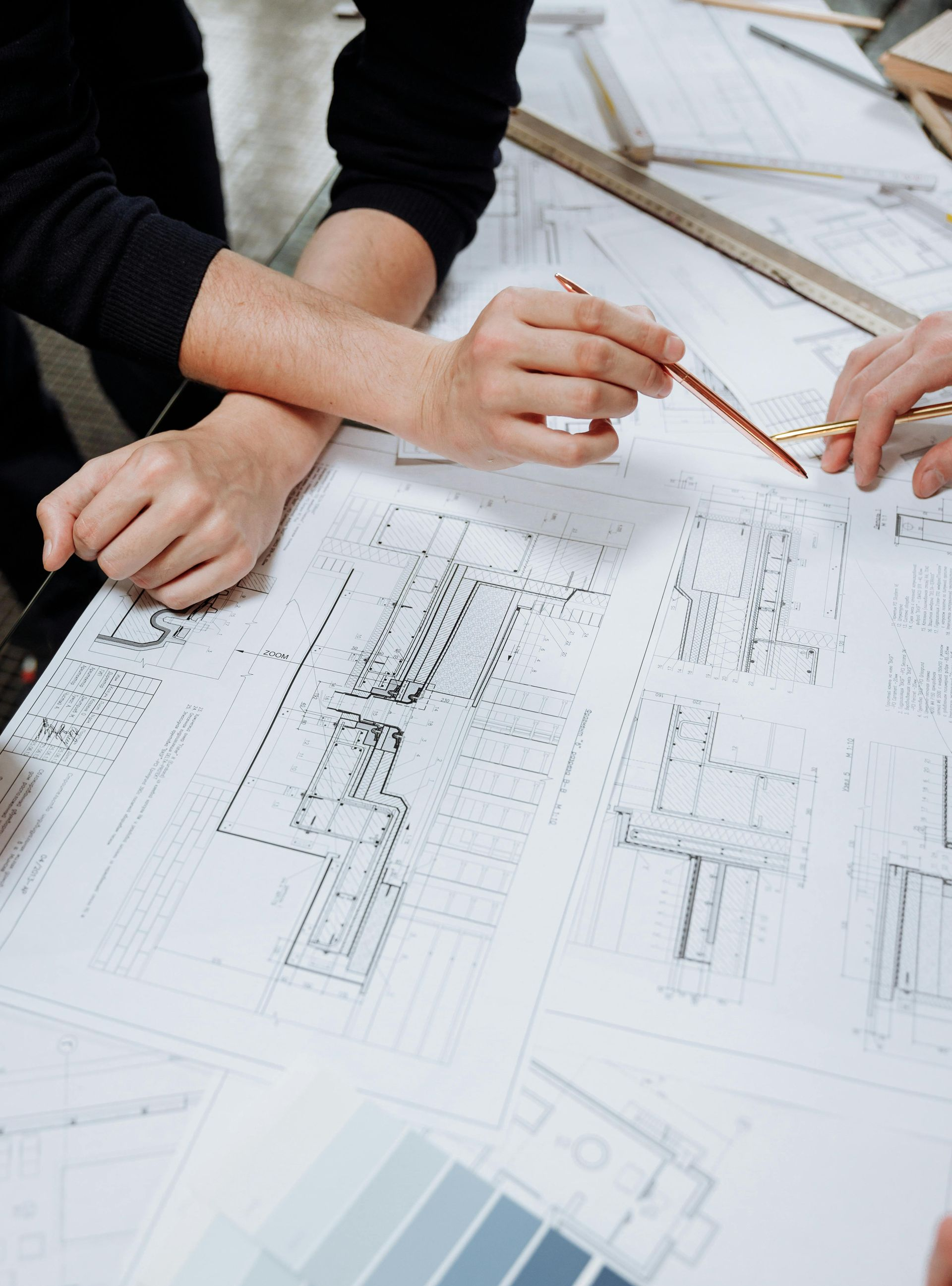
Our team at ESD Electric partners with builders, architects, and facility managers to integrate sustainable electrical systems from the ground up. Whether we are installing new panels, designing lighting systems, or integrating renewable energy, we ensure that every component contributes to both functionality and sustainability.

Energy Efficiency as a Design Principle
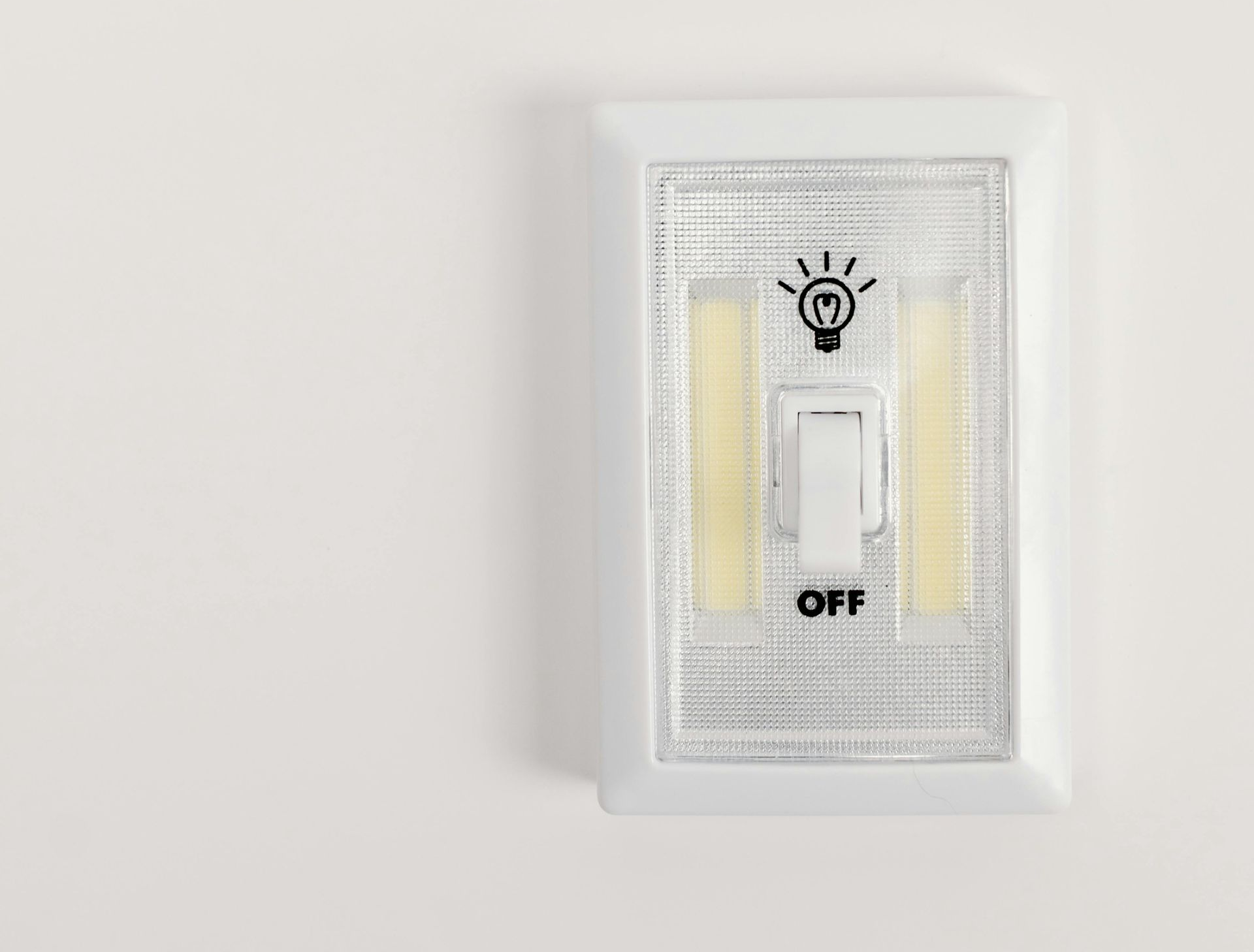
Every project begins with efficiency in mind. We use advanced load analysis tools to balance power distribution and minimize voltage loss across circuits. Our designs include LED fixtures, dimmable drivers, and smart control systems that respond to occupancy or daylight levels automatically. These systems reduce unnecessary energy use, helping clients earn LEED points under the Energy and Atmosphere credit category.
We also optimize electrical layouts to prevent power waste caused by long runs or inefficient equipment. This detailed design process ensures that each system operates at peak performance with minimal strain on resources, adding to your business’ LEED points and saving you money in the meantime.

Renewable Energy Integration
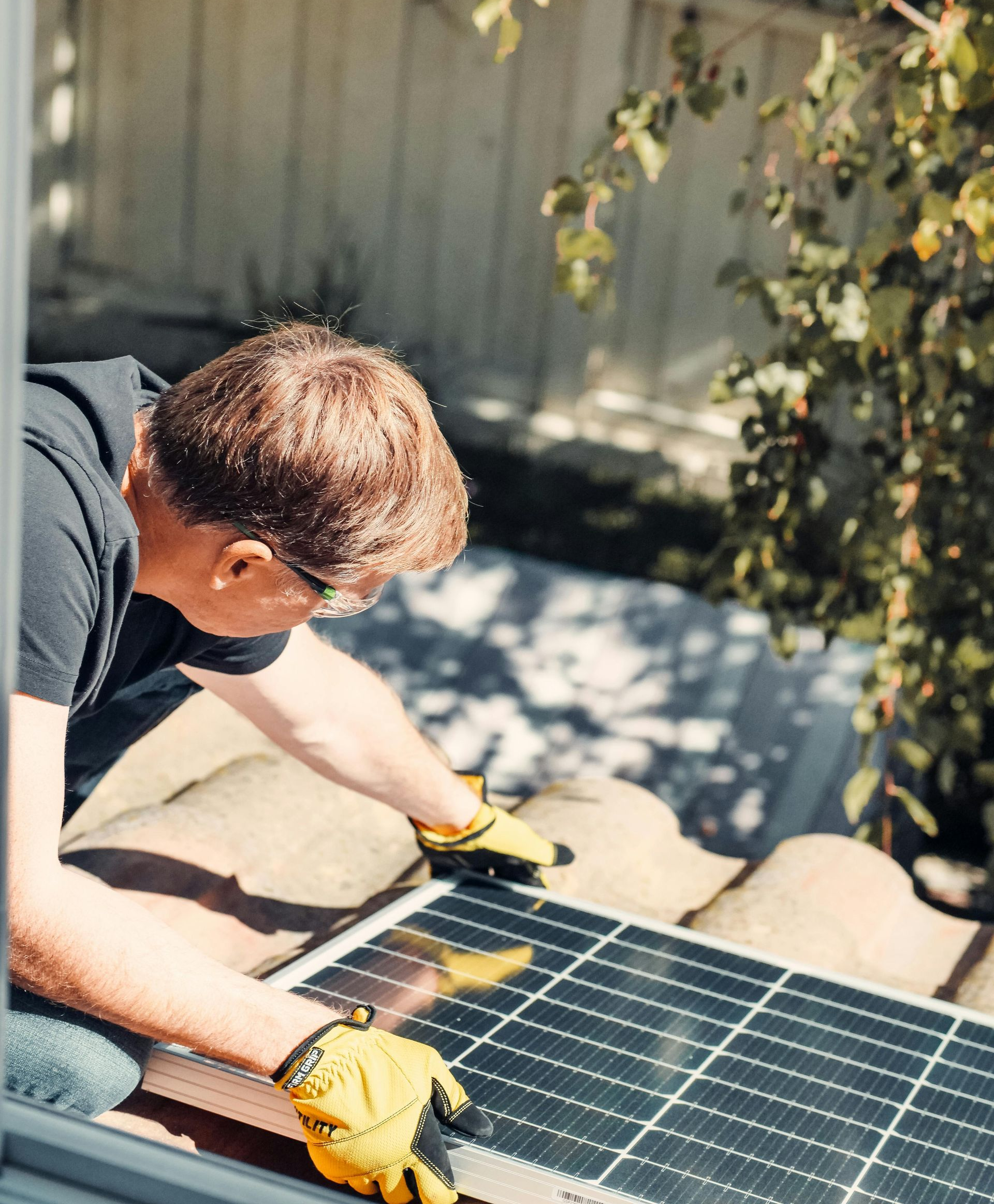
California’s leadership in renewable energy has made solar integration an essential part of sustainable construction. ESD Electric installs solar-ready panels, battery storage systems, and EV charging infrastructure that support both residential and commercial projects. There has never been a better time to invest in green infrastructure, and we make it a priority to include our clients in the green building revolution.
These technologies not only help clients qualify for LEED Renewable Energy credits but also reduce reliance on nonrenewable power sources. The result is lower utility costs and a smaller environmental footprint, aligning directly with corporate ESG reporting goals.

Safety, Compliance, and Accountability
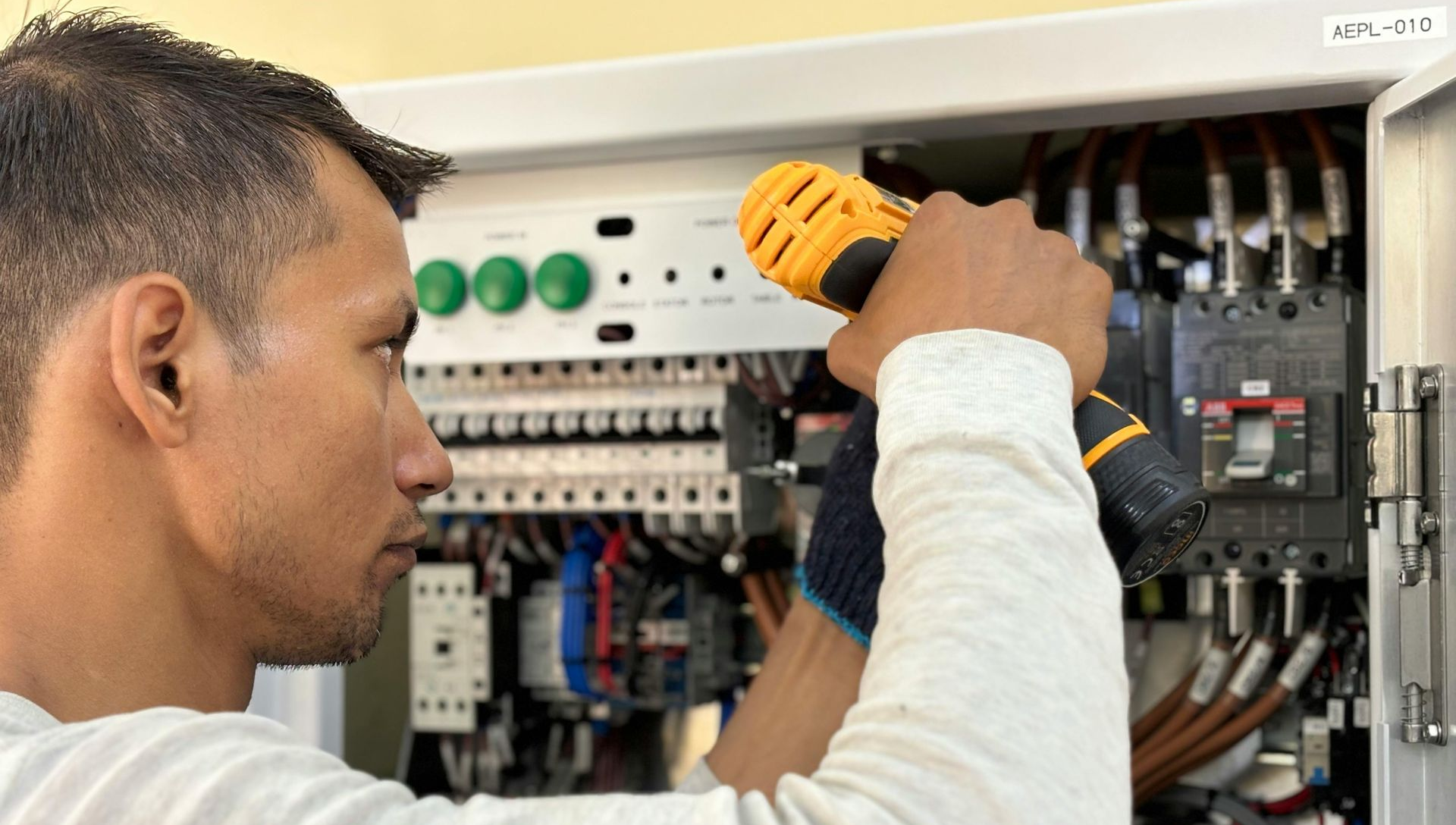
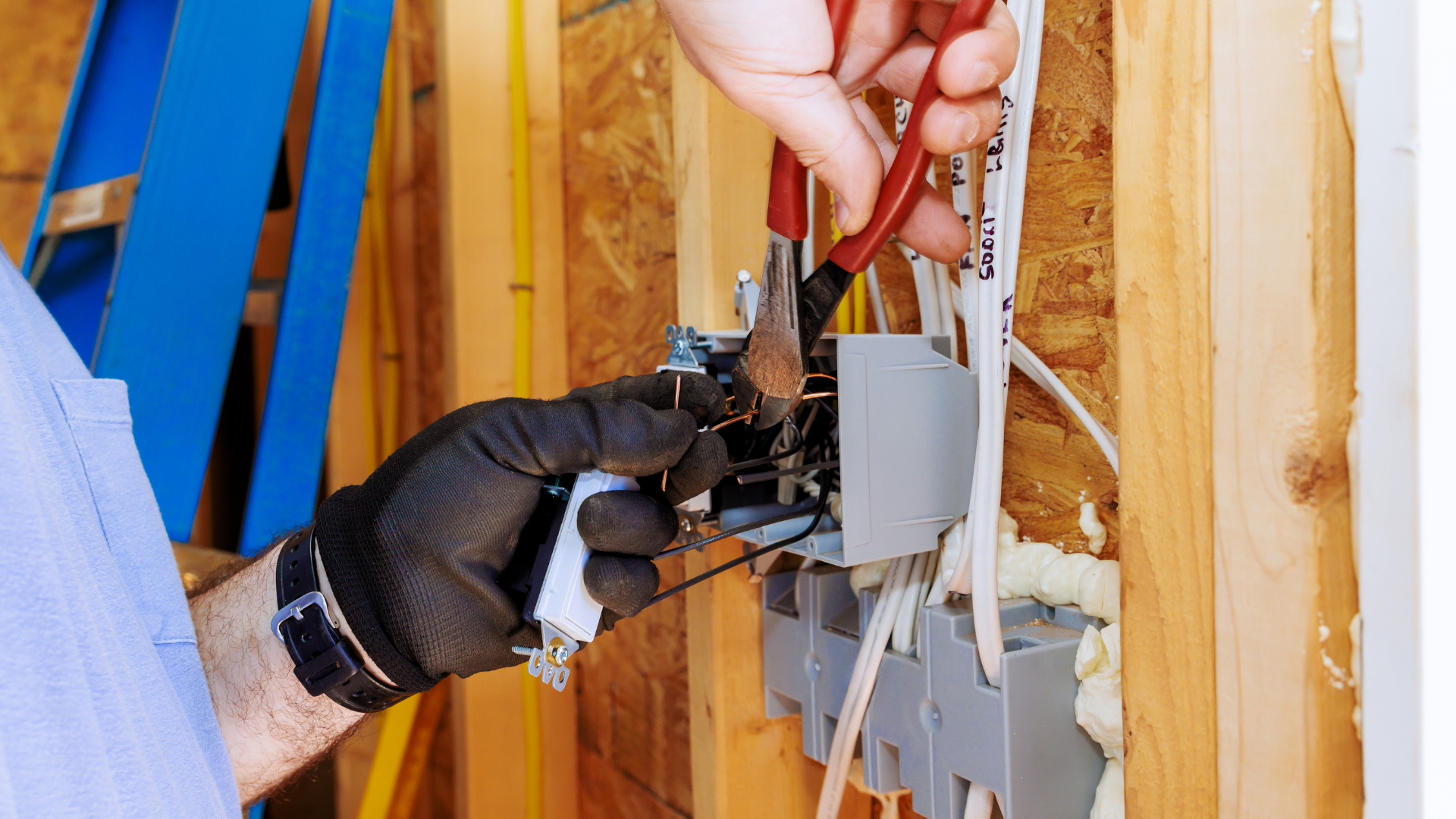
Sustainability must never compromise safety. Our electricians follow strict OSHA standards, using personal protective equipment and implementing lockout and tagout procedures at every job site. Compliance with the National Electrical Code (NEC) and California Title 24 regulations ensures that every installation is both safe and efficient. We value the safety of our clients and our team above all else, which means that you can rest assured that sustainability does not include any cut corners or half measures.
ESD Electric is committed to not only providing the highest quality of labor, but also clarity and transparency throughout the project. We document every stage of our process, providing detailed reports that support LEED certification and demonstrate adherence to ESG accountability standards.
Partnering for a Sustainable Future
Sustainable design is not just a trend; it is a long-term investment in efficiency, safety, and reputation. At ESD Electric, we combine modern engineering practices with environmental stewardship to create electrical systems that perform today and prepare for tomorrow’s demands.
If your next project aims for LEED certification or sustainability alignment, our team can provide the expertise and precision required for compliance and performance. Contact ESD Electric to learn how we can power your project responsibly and sustainably.