Christmas Light Safety: How to Decorate for the Holidays Without Electrical Risk
Holiday Lighting Tips to Protect Your Home and Business
Christmas lights are a cherished part of the holiday season. They add warmth, character, and festive spirit to homes and businesses alike. However, decorative lighting also introduces electrical demands that many properties are not designed to handle casually. At ESD Electric, we see a noticeable increase in electrical issues during the Christmas season, many of which stem from unsafe lighting practices. Decorating responsibly helps protect people, property, and peace of mind throughout the holidays.
Why Christmas Lights Can Create Electrical Hazards
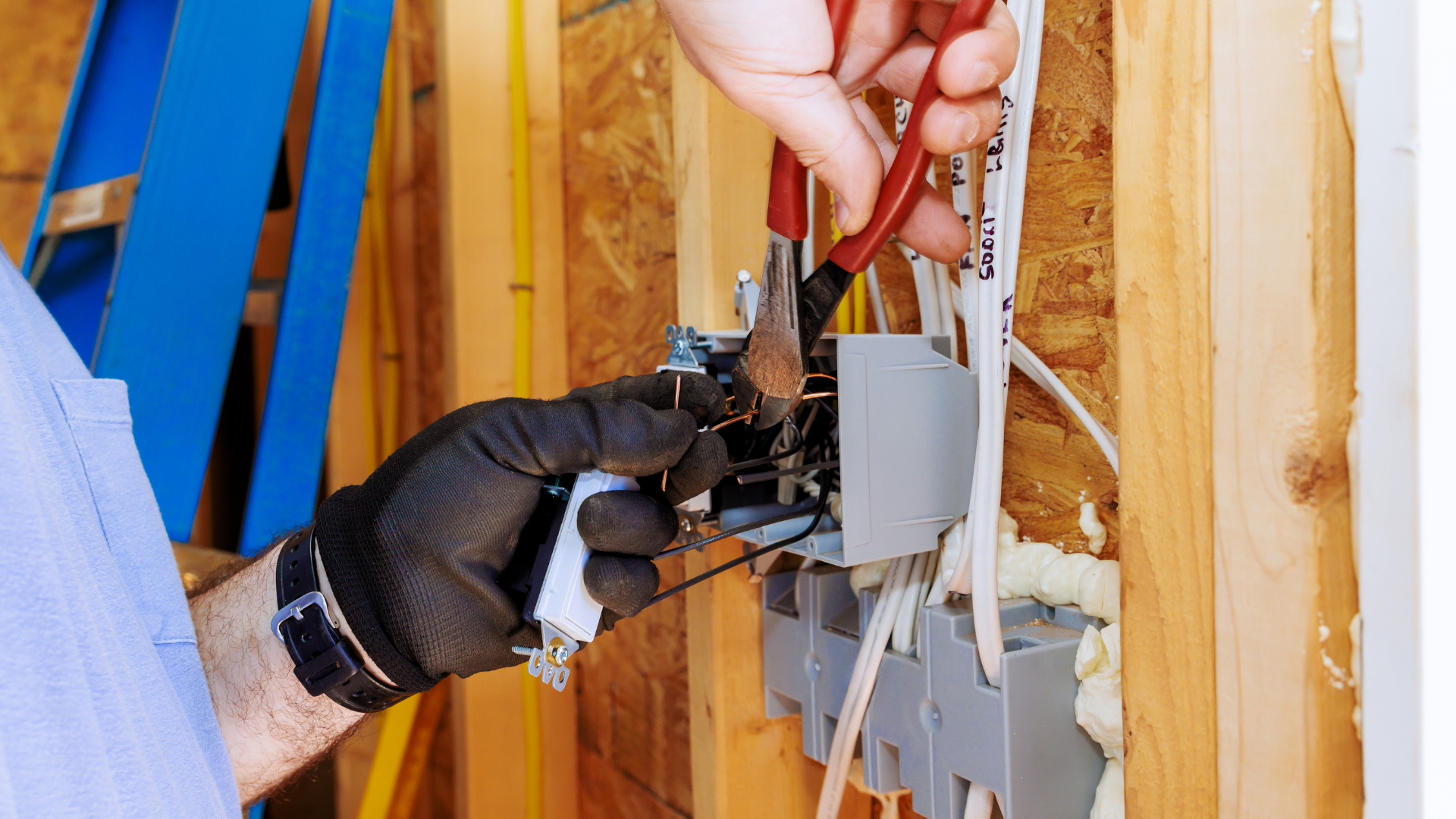
Holiday lighting places additional load on electrical systems that may already be in constant use. Extension cords, power strips, and outlets are often used beyond their intended purpose during December. Overloaded circuits, damaged cords, and improper installation can increase the risk of electrical faults.
Indoor and outdoor decorations are sometimes treated as temporary and harmless, but electricity does not distinguish between seasonal and permanent use. Any
improper connection has the potential to create heat buildup, sparks, or system failure.

Choosing the Right Lights and Equipment
Safety begins with selecting appropriate lighting products. Christmas lights should be clearly labeled for their intended use. Indoor lights are not designed to withstand moisture or temperature changes and should never be used outdoors. Outdoor-rated lights are built to resist weather exposure and reduce the risk of shock.
Inspect all lights before installation. Frayed wires, cracked insulation, or loose connections are signs that a string should be replaced. Using damaged lights, even for a short time, increases risk.
Avoiding Circuit Overload
One of the most common holiday electrical mistakes is plugging too many decorations into a single outlet. Each string of lights draws current, and combining multiple strings, inflatable decorations, or other devices can exceed circuit capacity.
Tripped breakers are a warning sign that a circuit is overloaded. Resetting the breaker without reducing the load does not solve the underlying issue. A professional electrician can assess whether additional circuits or dedicated outlets are needed to support holiday decorations safely.
Safe Use of Extension Cords and Power Strips
Extension cords should be used only when necessary and never as a permanent solution. During the Christmas season, cords are often run under rugs, through doorways, or across walkways. These practices can cause cord damage and create tripping hazards.
Power strips should not be daisy chained or connected to one another. Doing so increases the risk of overheating. For outdoor displays, only cords and power strips rated for exterior use should be installed, and connections should be protected from moisture.
Outdoor Lighting Considerations
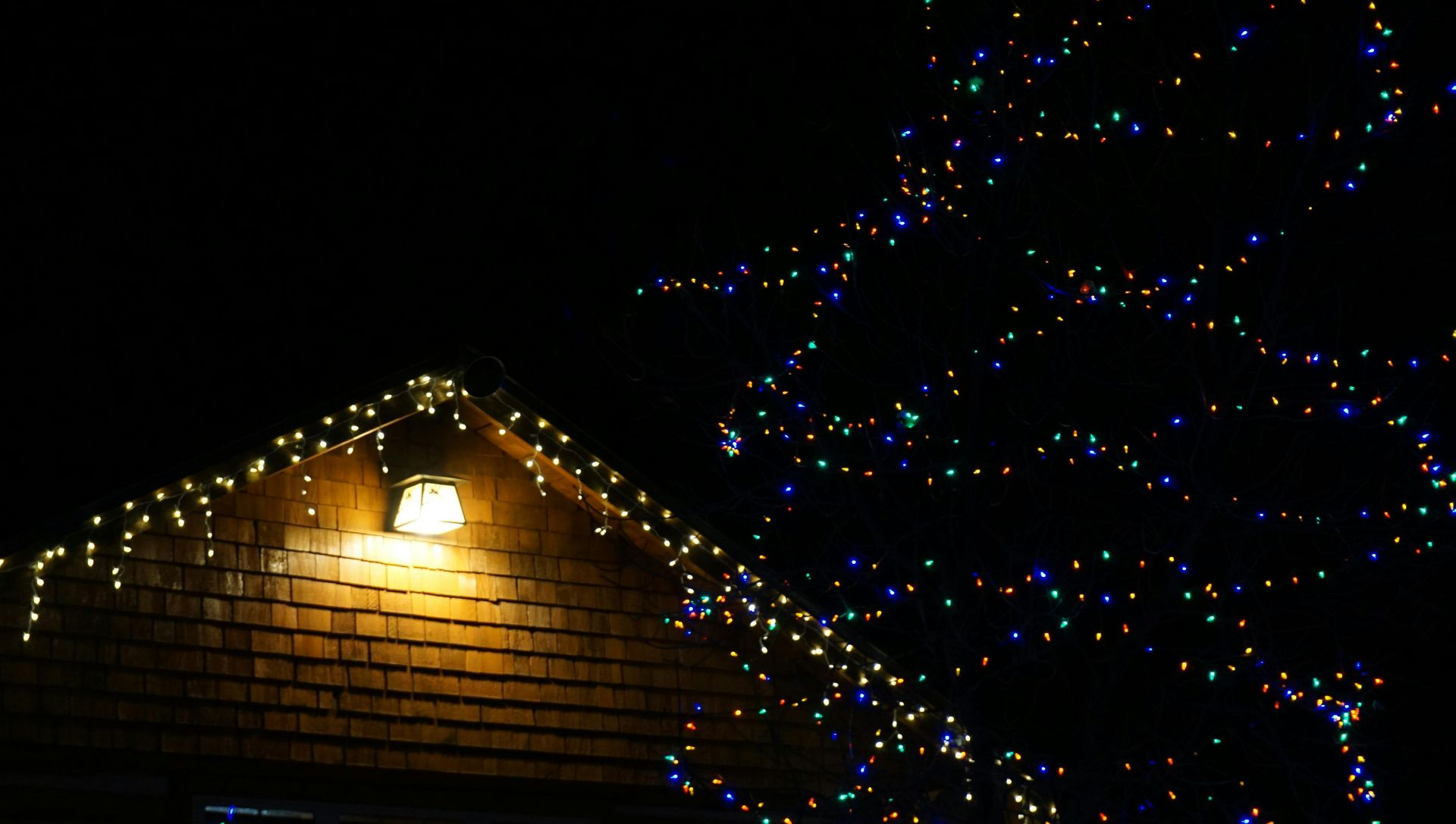
Outdoor Christmas lighting introduces additional risks related to weather exposure. Rain, snow, and ice can compromise electrical connections if they are not properly protected. Ground fault circuit interrupter outlets, commonly referred to as GFCI outlets, are designed to reduce shock risk in damp environments and should be used for outdoor decorations.
If outdoor outlets are not functioning properly or are not
GFCI protected, it is important to address this before decorating. Temporary solutions do not provide reliable protection.

Timers and Automation Improve Safety
Using timers for Christmas lights reduces the amount of time circuits remain energized. This not only helps conserve energy but also reduces wear on electrical components. Timers ensure lights turn off automatically overnight or during periods when no one is present.
Smart controls can also help manage lighting safely, but they should be installed correctly and used within the limits of the electrical system.
When Professional Help Is the Right Choice
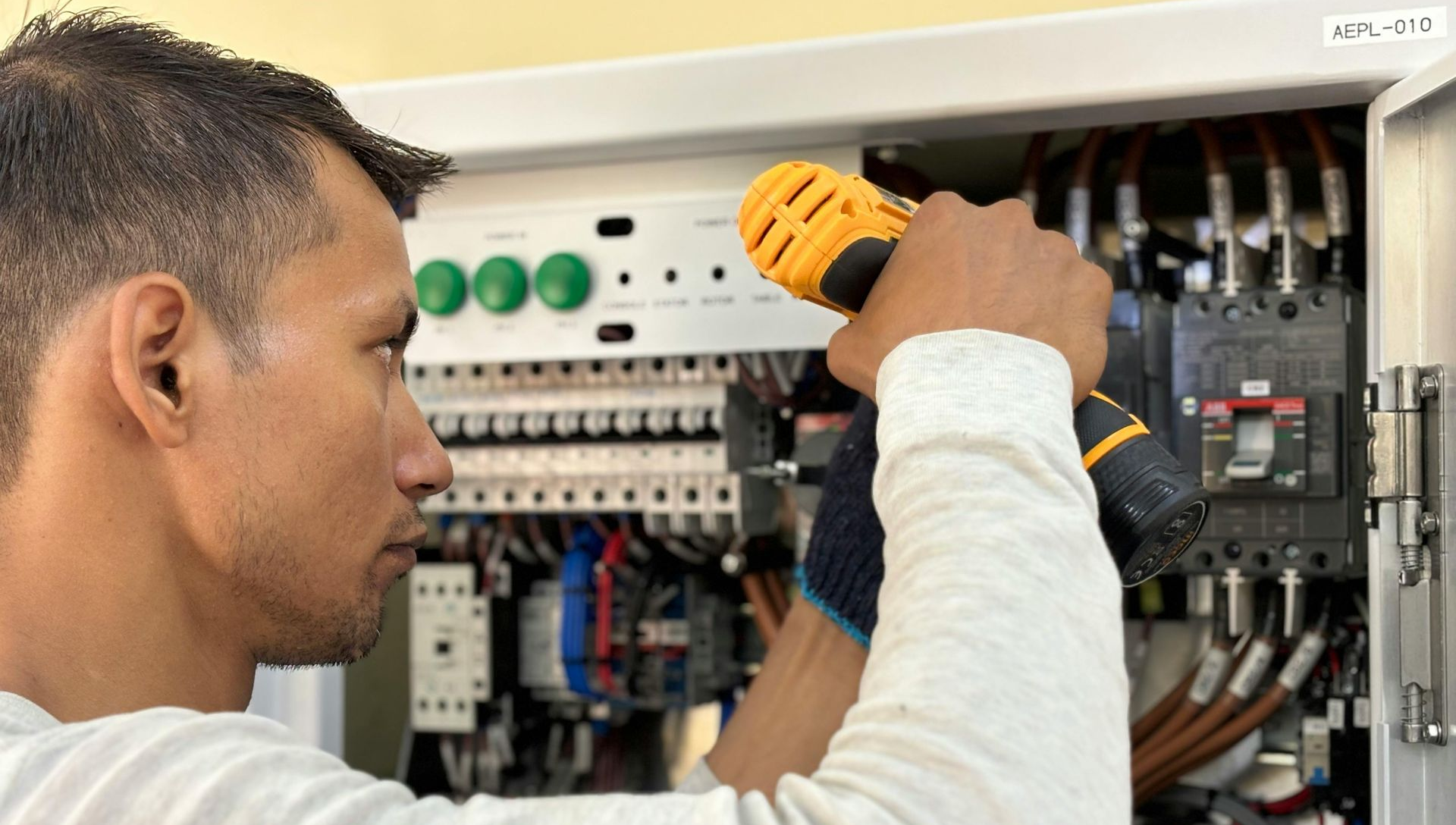
If lights flicker, outlets feel warm, breakers trip repeatedly, or cords show signs of damage, these are indicators that professional evaluation is needed. Electrical issues should never be ignored, especially during a season when systems are under additional load.
At ESD Electric, we help homeowners and businesses prepare for the holidays by ensuring electrical systems can safely support seasonal lighting. Professional assessment provides clarity and reduces risk.
A Safer Way to Celebrate the Season
Christmas lights should bring joy, not concern. By choosing proper equipment, avoiding overload, and addressing electrical needs proactively, decorations can be enjoyed safely throughout the season.
At ESD Electric, we believe holiday celebrations should be memorable for the right reasons. Electrical safety allows families and businesses to enjoy Christmas lighting with confidence while protecting their property and the people inside it.