How Electrical Panel Labeling and Organization Improve Safety and Response Time
The Importance of Clear and Accurate Electrical Panel Labeling
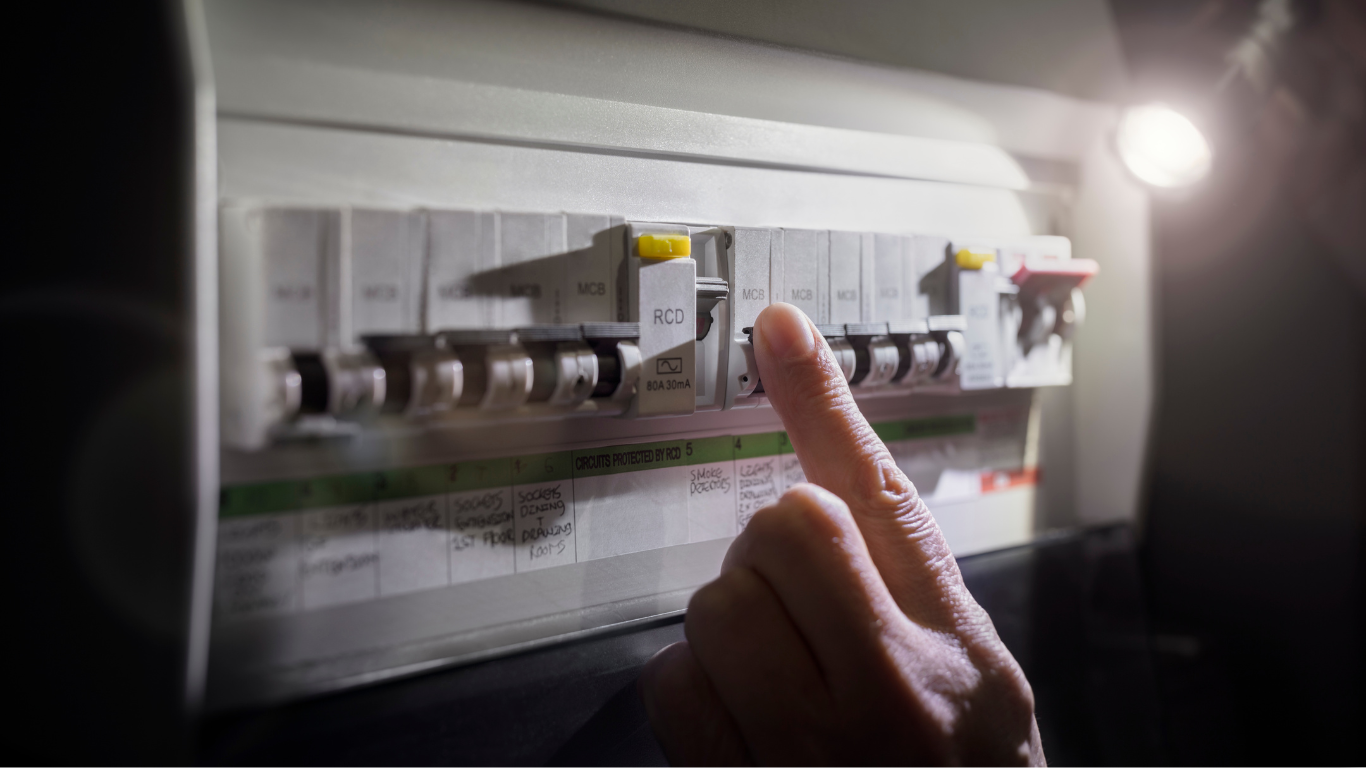
An electrical panel serves as the control center for a home or commercial property. When an issue occurs, the panel is often the first place people turn to shut off power or identify the affected circuit. Unfortunately, many panels are poorly labeled, cluttered, or outdated. At ESD Electric, we frequently see panels with missing labels, handwritten notes that no longer apply, or circuits that have been modified without proper documentation. Clear labeling and thoughtful organization play an important role in electrical safety and can significantly improve response time during emergencies.
Why Panel Labeling Matters
Electrical panels contain multiple breakers that control different circuits throughout a building. Each breaker should clearly identify what it controls, such as lighting, outlets, appliances, or specific rooms. When labels are missing or inaccurate, locating the correct breaker becomes a guessing game. This can lead to unnecessary delays or accidental shutdowns of critical systems.
Proper labeling ensures that power can be disconnected quickly and accurately. In the event of an electrical issue, knowing which breaker controls the affected area reduces confusion and minimizes risk. This is especially important when dealing with overheating equipment, damaged wiring, or water intrusion near electrical components.
Improving Safety During Emergencies
Electrical emergencies require fast and decisive action. A burning odor, buzzing sound, or sparking outlet may require immediate power shutdown. When a panel is well organized and clearly labeled, occupants or first responders can identify the correct breaker without hesitation.
Poorly labeled panels increase the likelihood of mistakes. Shutting off the wrong breaker may leave a hazardous circuit energized, increasing the risk of shock or fire. Clear labeling supports safer decision making under pressure and helps limit damage during critical situations.
Supporting Electrical Maintenance and Repairs
Accurate panel labeling also benefits routine maintenance and future upgrades. When electricians can quickly identify circuits, diagnostic work becomes more efficient and less invasive. This reduces the need for repeated testing and minimizes disruptions to occupants.
Organized panels make it easier to identify overloaded circuits or improperly shared breakers. This visibility supports better planning when adding new appliances, upgrading equipment, or expanding electrical capacity. A clearly documented panel allows us to recommend improvements with confidence.
Code Compliance and Professional Standards
Modern electrical codes emphasize clarity and accessibility. Panels should be legible, organized, and free from confusion. While older panels may have met previous standards, changes over time often create inconsistencies. New circuits may be added without updating labels, or temporary markings may become permanent.
Professional panel labeling ensures that the electrical system aligns with current safety expectations. It also helps demonstrate responsible property management, which can be important for inspections, insurance considerations, and resale evaluations.
Preventing Accidental Damage and Downtime
In commercial settings, incorrect breaker operation can lead to unexpected downtime. Shutting off power to the wrong circuit may disrupt operations, damage sensitive equipment, or compromise safety systems. Clear labeling reduces these risks by ensuring that only the intended circuits are affected during service or emergencies.
Residential properties also benefit from improved organization. Homeowners can safely perform basic tasks, such as resetting a tripped breaker, without uncertainty. This reduces stress and promotes safer interaction with the electrical system.
What Proper Panel Organization Includes
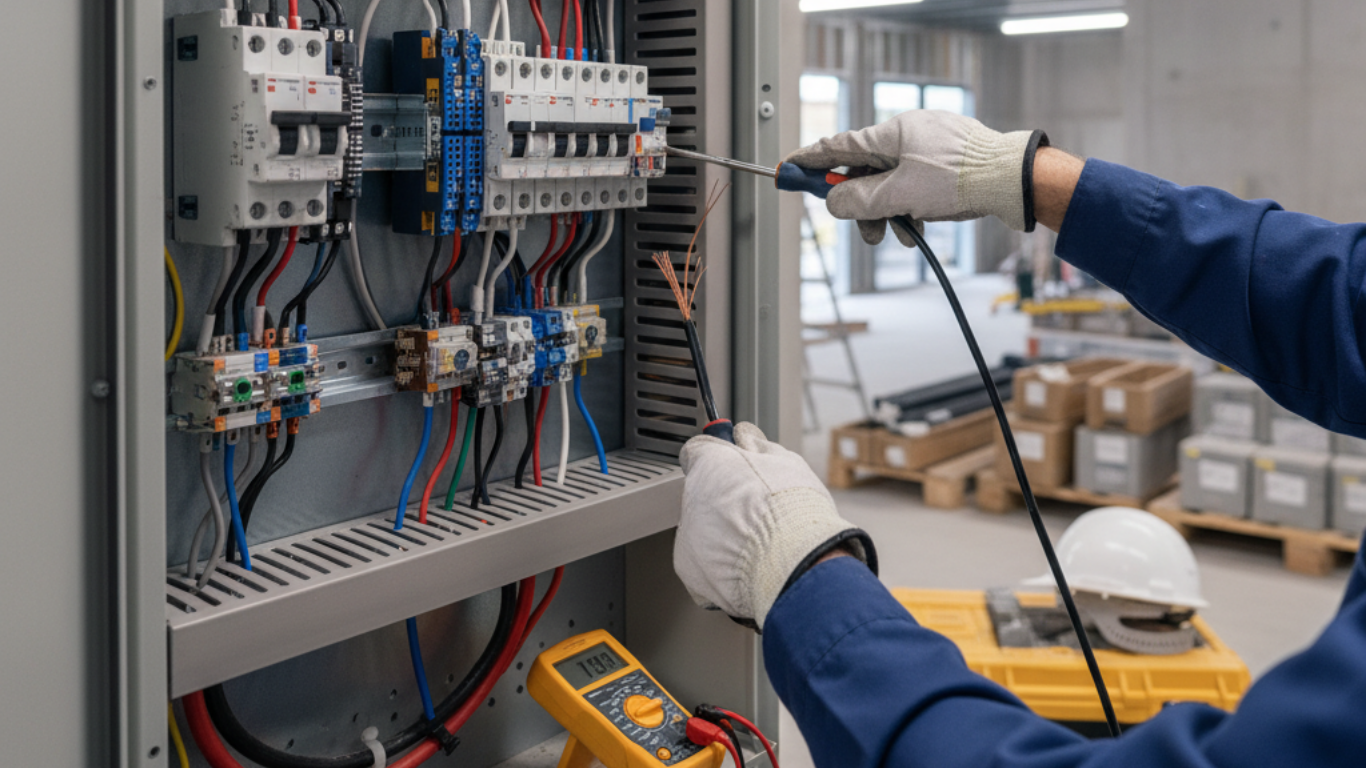
Panel organization goes beyond labeling. Breakers should be arranged logically, wires should be neatly routed, and unused openings should be properly closed. Labels should be durable, legible, and updated whenever changes are made to the system.
At ESD Electric, we assess panels for clarity, accuracy, and overall condition. When needed, we correct mislabeled breakers, reorganize circuits, and ensure that the panel reflects the current layout of the electrical system.
A Small Improvement With Significant Impact
Clear electrical panel labeling may seem like a minor detail, but it has a meaningful impact on safety and response time. In emergencies, it allows for quick action. During maintenance, it supports efficiency and accuracy. Over time, it helps protect both people and property.
At ESD Electric, we believe that a well organized electrical panel is a foundational part of a safe system. By addressing labeling and organization proactively, property owners gain peace of mind and improve their ability to respond effectively when electrical issues arise.