Common Electrical Code Violations Found in Older Homes and Buildings
Older homes and commercial buildings often carry a certain charm, but their electrical systems may not meet modern safety standards. Electrical codes evolve over time to reflect improved safety knowledge, changes in usage demands, and new technologies. When systems are not updated accordingly, code violations can develop that increase the risk of electrical failure or fire. At ESD Electric, we regularly encounter these issues during inspections and service calls.
Outdated Electrical Panels
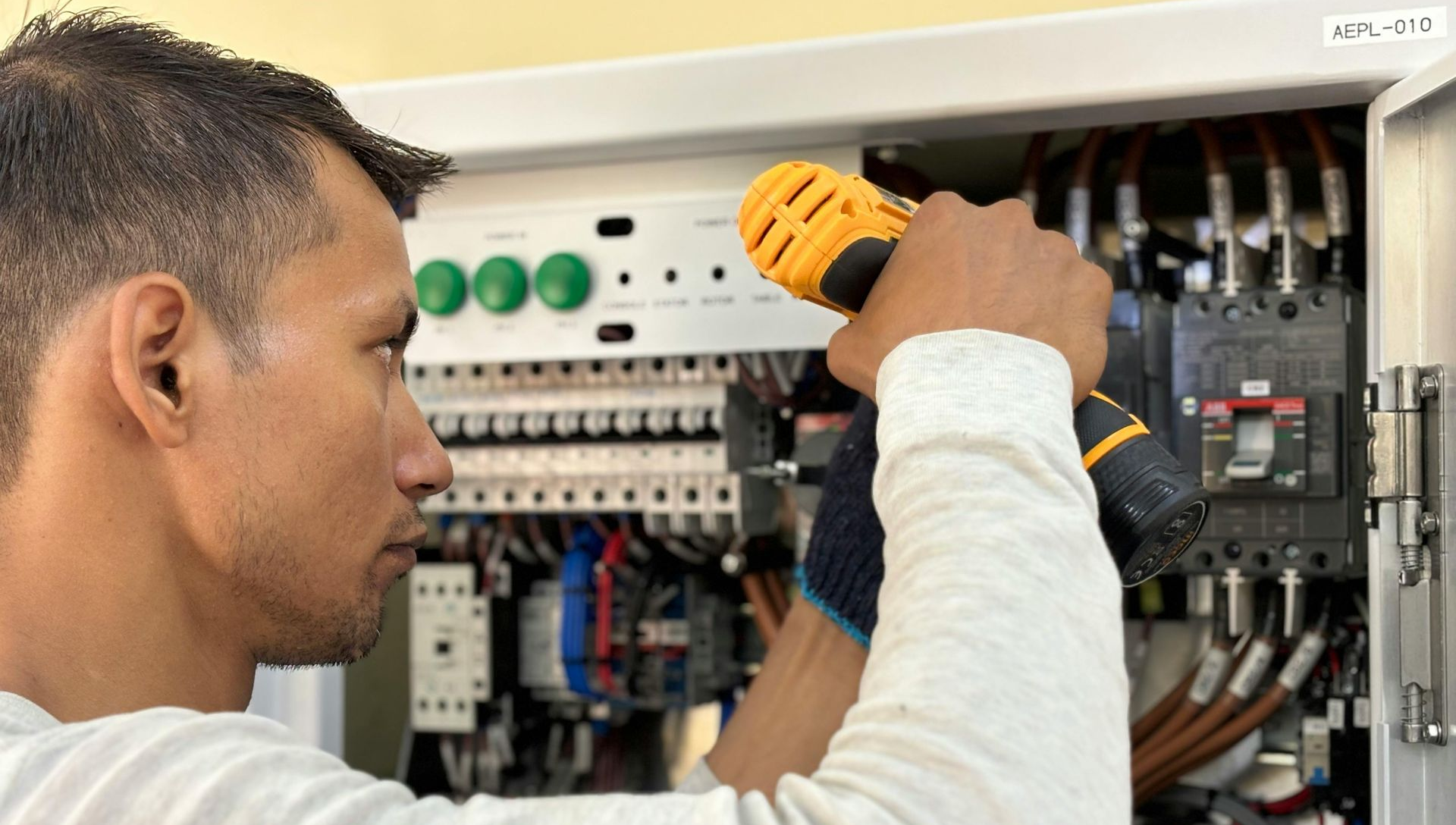
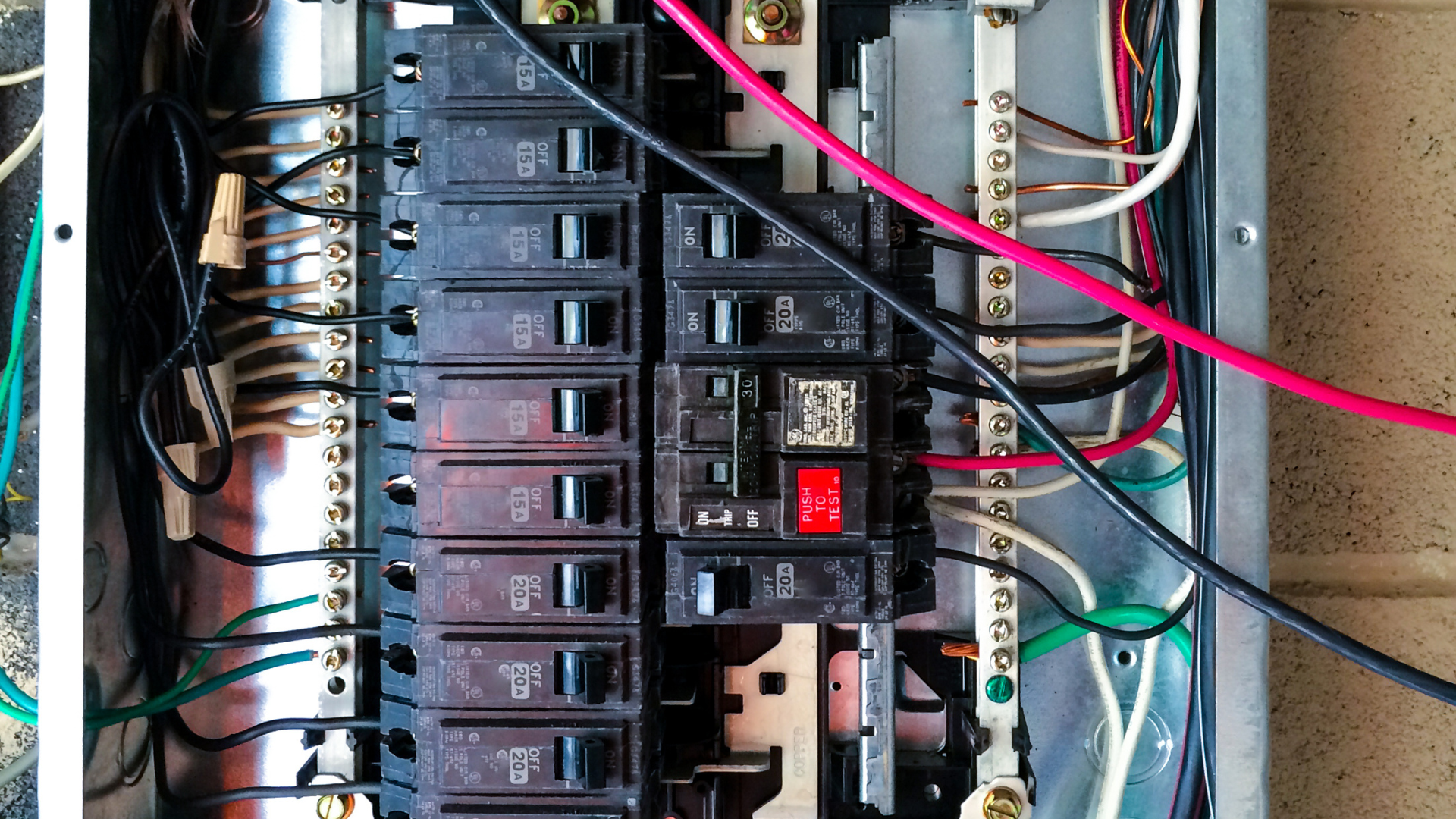
One of the most common code issues in older properties is an outdated electrical panel. Many older panels were not designed to handle the electrical load required by today’s appliances, electronics, and HVAC systems. Overloaded panels can lead to tripped breakers, overheating, and in some cases, fire hazards.
Modern electrical codes require panels that provide sufficient capacity and proper circuit protection. Older panels may lack these features, making them a frequent point of concern during inspections.
Lack of Grounding
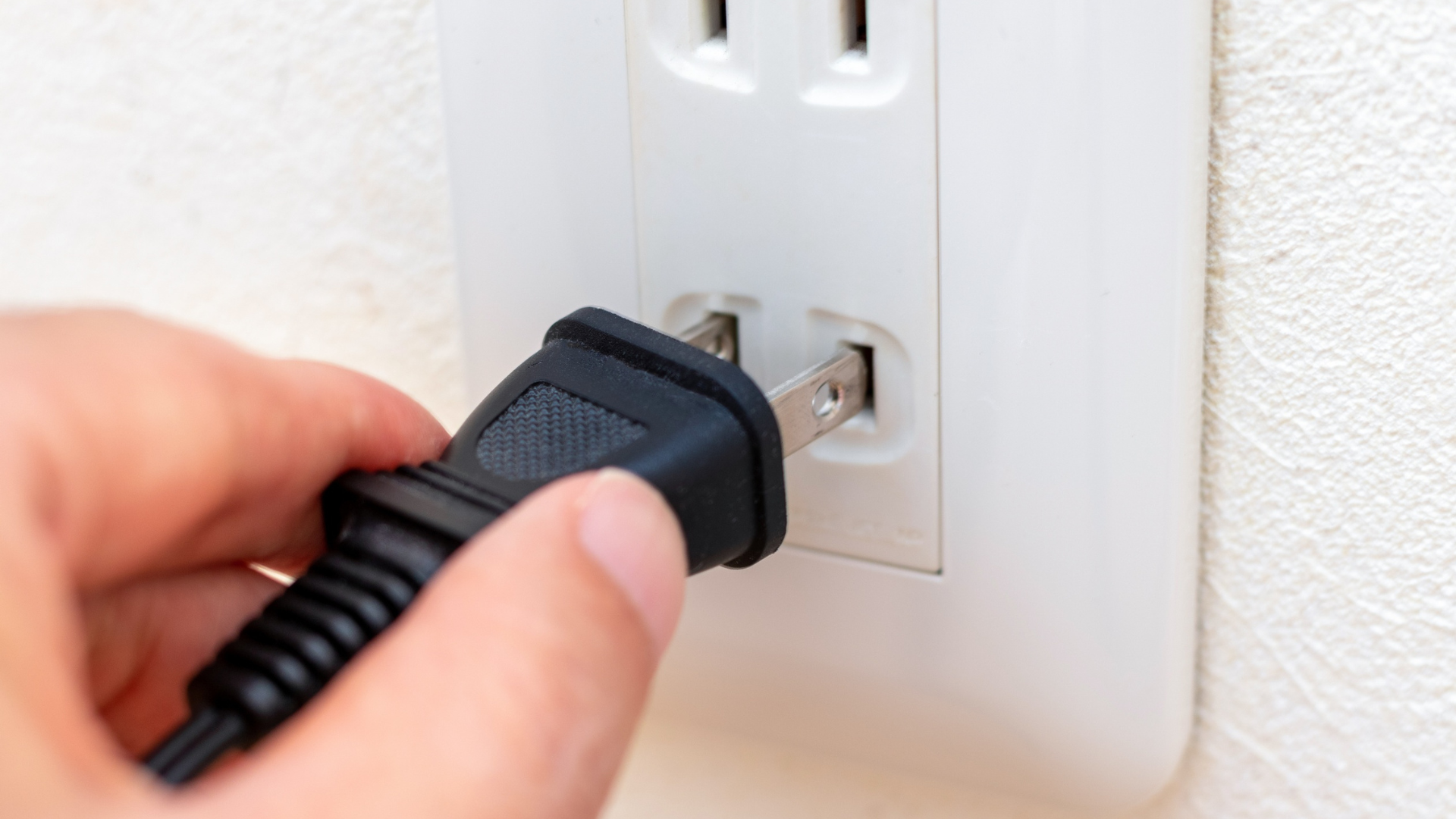
Proper grounding is essential for electrical safety. Many older homes were built before grounding requirements became standard practice. Without proper grounding, electrical faults may not be safely directed away from people or equipment.
Ungrounded outlets and circuits increase the risk of shock and damage to appliances. Updating grounding systems is often necessary to bring older properties closer to current safety expectations.
Missing GFCI Protection
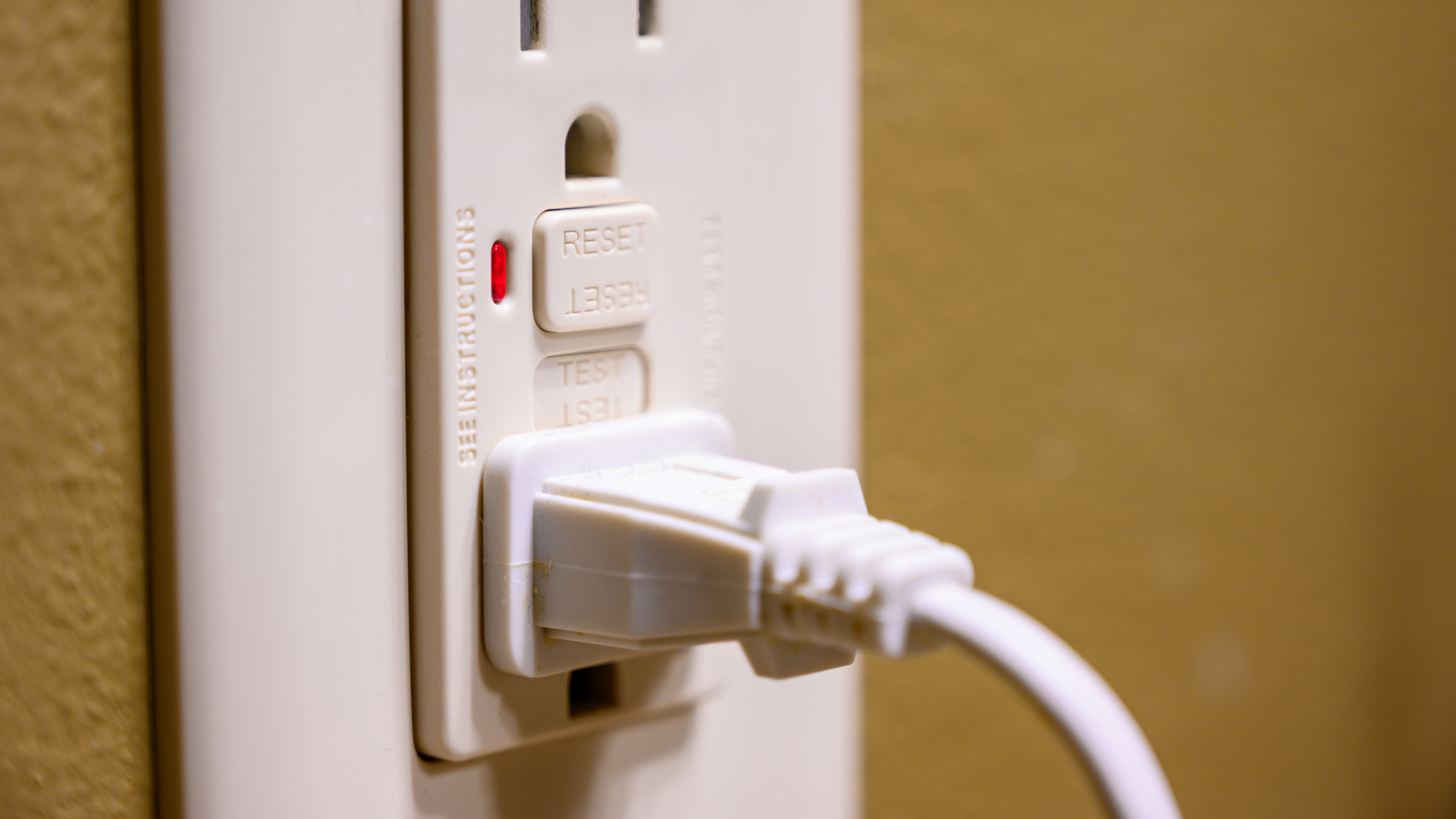
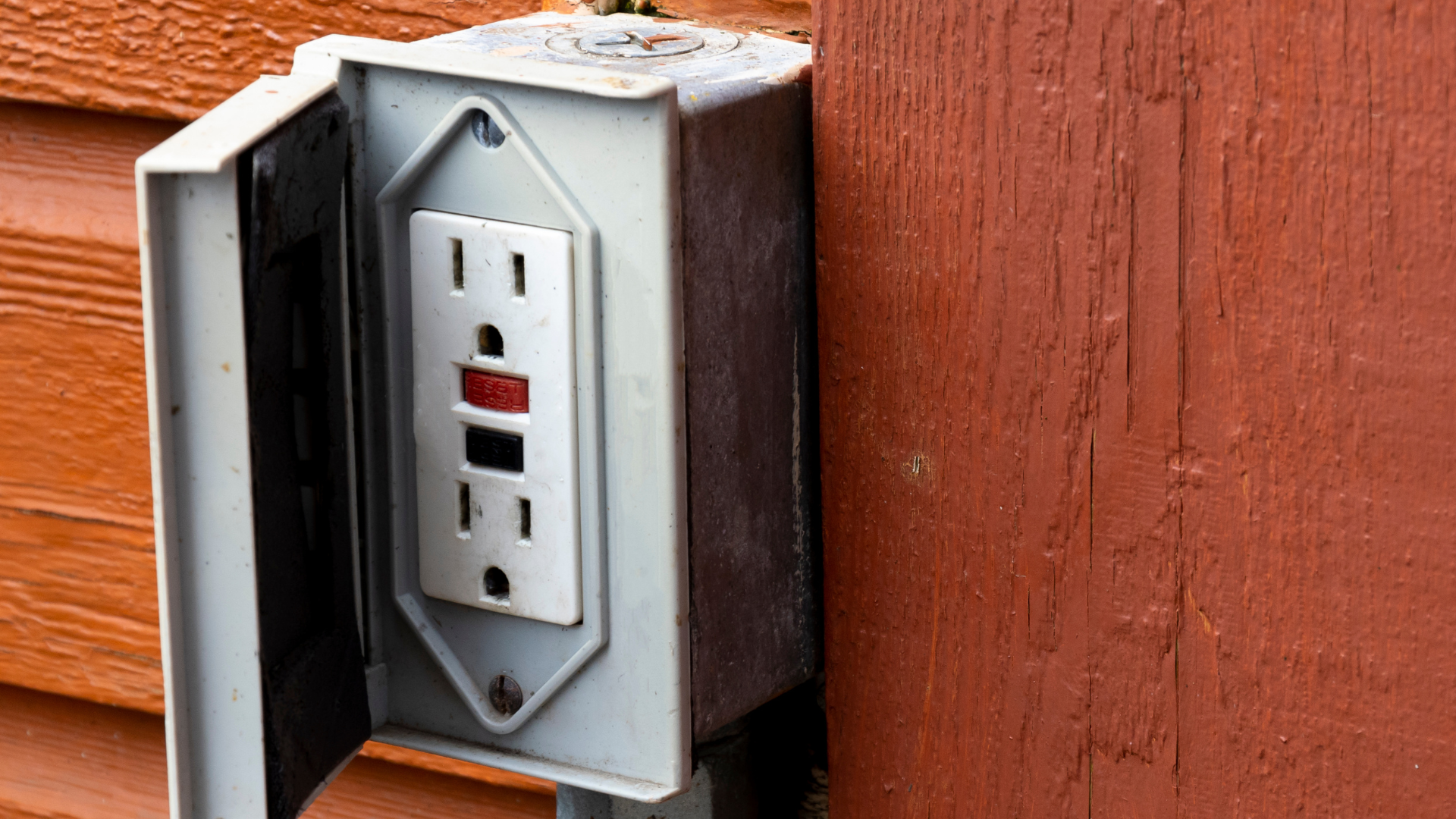
Ground Fault Circuit Interrupter protection is required in areas where moisture is present, such as kitchens, bathrooms, garages, and outdoor locations. Older homes often lack GFCI outlets in these areas because the requirement did not exist at the time of construction.
Without GFCI protection, the risk of electrical shock increases significantly. Adding these devices is a common upgrade that improves safety while addressing a frequent code deficiency.
Improper Wiring Methods
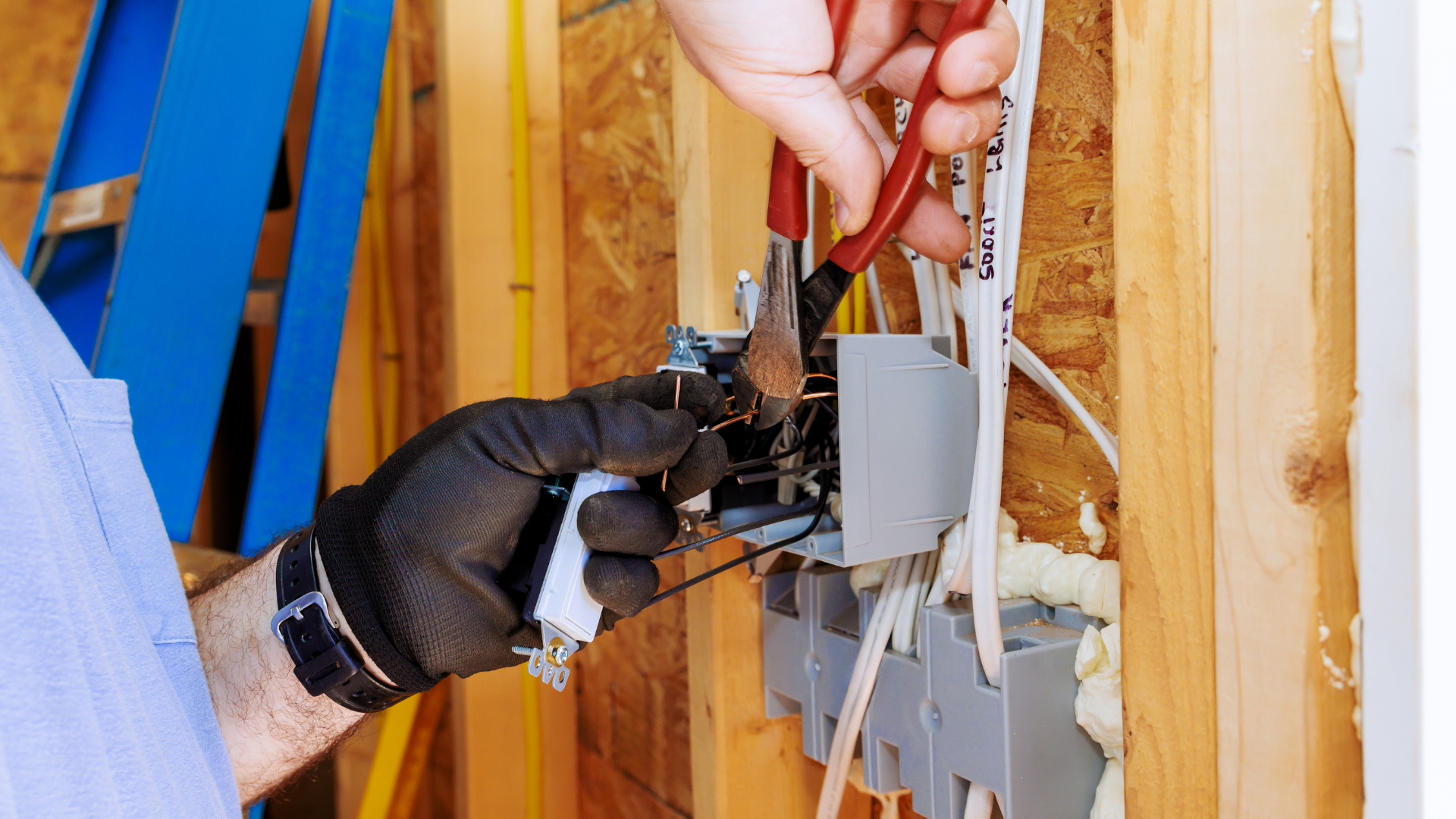
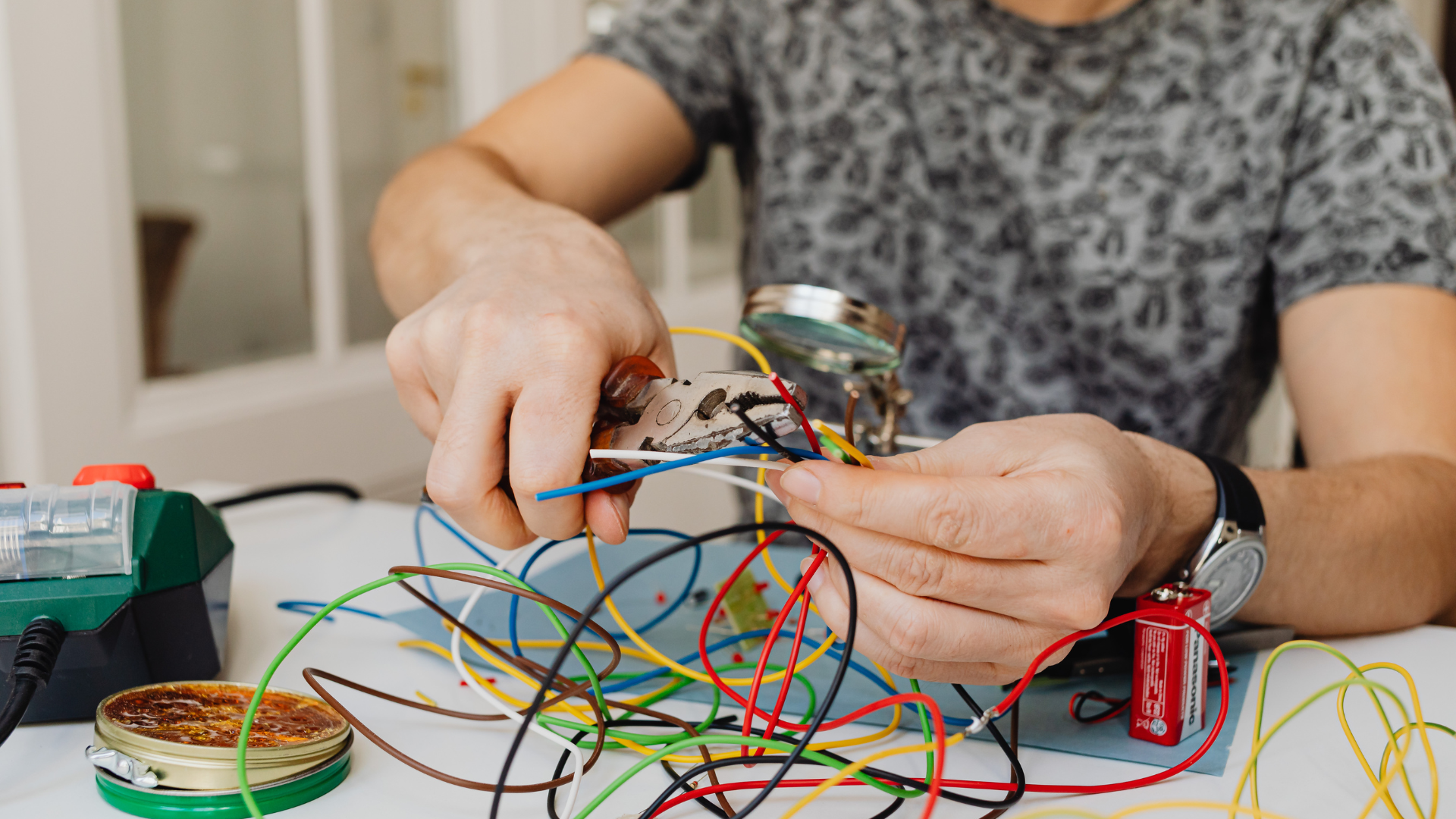
Over time, wiring modifications may be made by homeowners or unlicensed individuals. These changes often result in improper wiring methods that violate electrical codes. Examples include exposed wiring, improper splicing, or using incorrect wire types for specific applications.
Such issues may not be immediately visible but can create long term safety risks. Proper wiring methods are designed to contain heat, prevent damage, and reduce the chance of electrical failure.
Overcrowded Junction Boxes
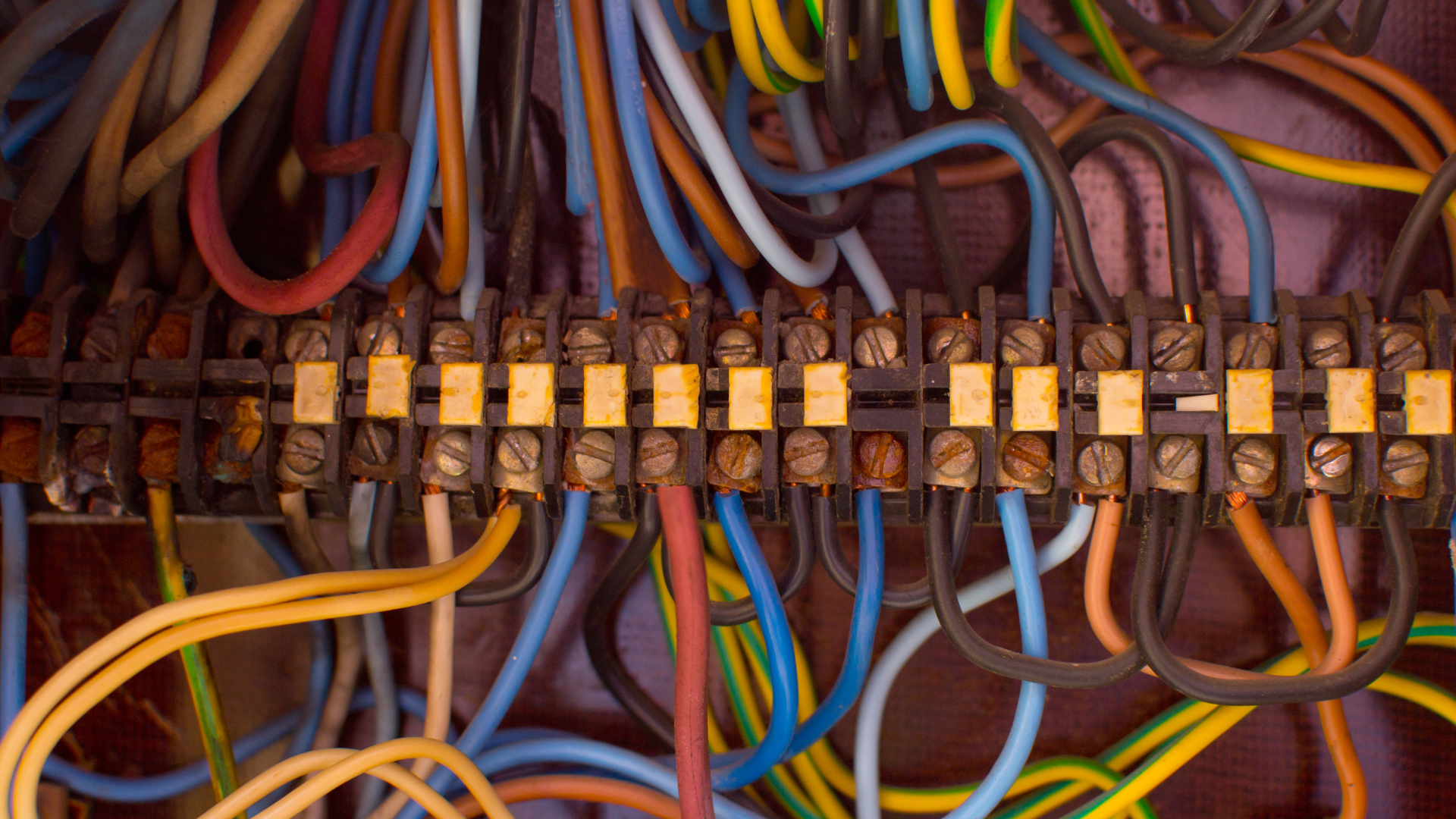
Electrical codes specify how many conductors may be placed within a junction box. Older systems or poorly executed upgrades may result in overcrowded boxes. This can lead to overheating and increased wear on insulation.
Ensuring that junction boxes are properly sized and accessible is an important part of maintaining a safe electrical system.
Lack of AFCI Protection
Arc Fault Circuit Interrupter protection is a newer requirement designed to detect dangerous arcing conditions. Many older homes do not include AFCI breakers or outlets, particularly in living spaces and bedrooms.
While not always required to be retrofitted, the absence of AFCI protection is often identified during evaluations and recommended as a safety upgrade.
Unpermitted Electrical Work
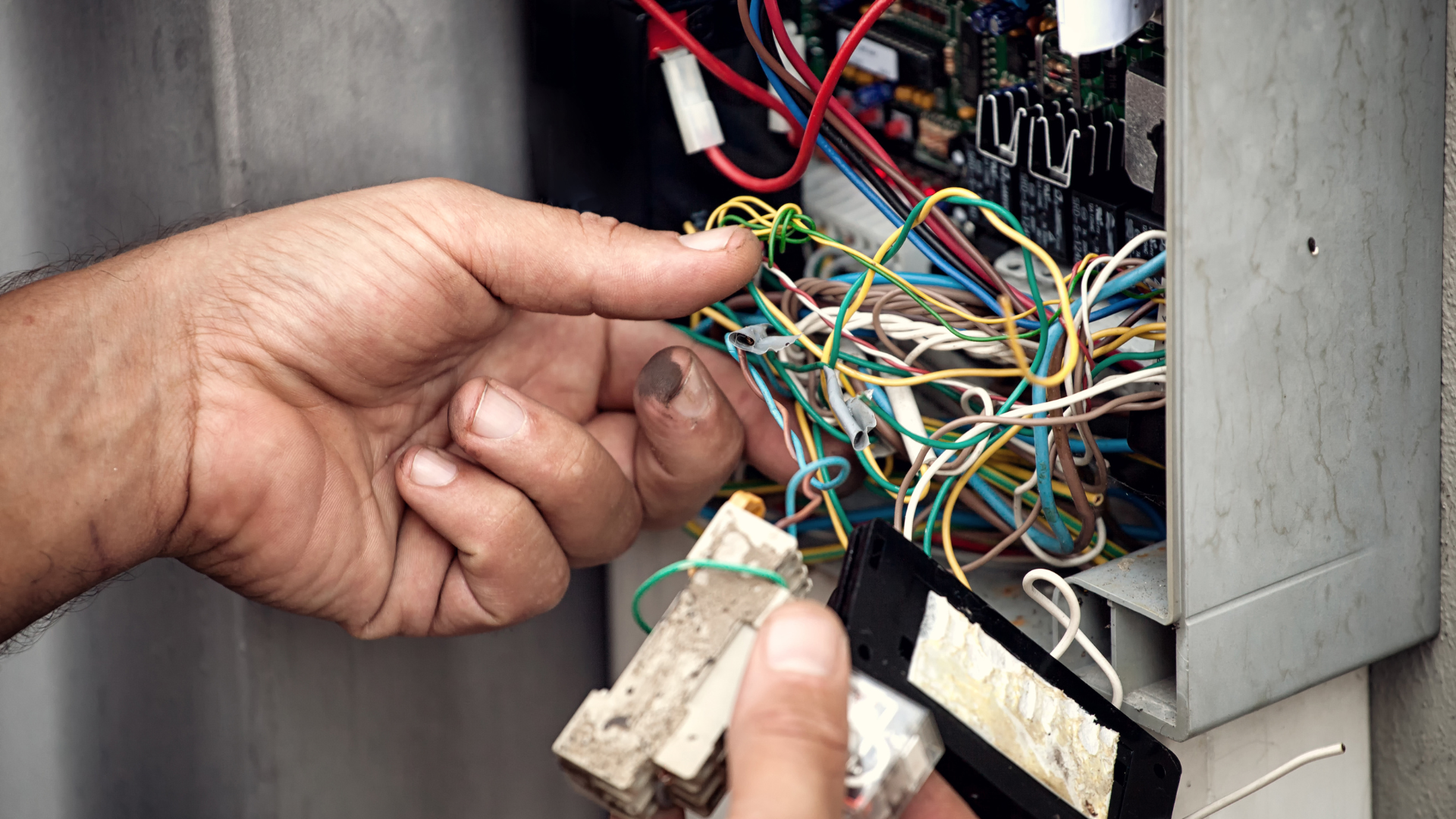
Electrical codes also require that certain work be permitted and inspected. Older properties sometimes contain unpermitted modifications that do not meet code standards. These installations may pose safety risks and complicate insurance claims or property transactions.
Licensed electrical work ensures that systems are installed correctly and reviewed for compliance.
Why Code Compliance Matters
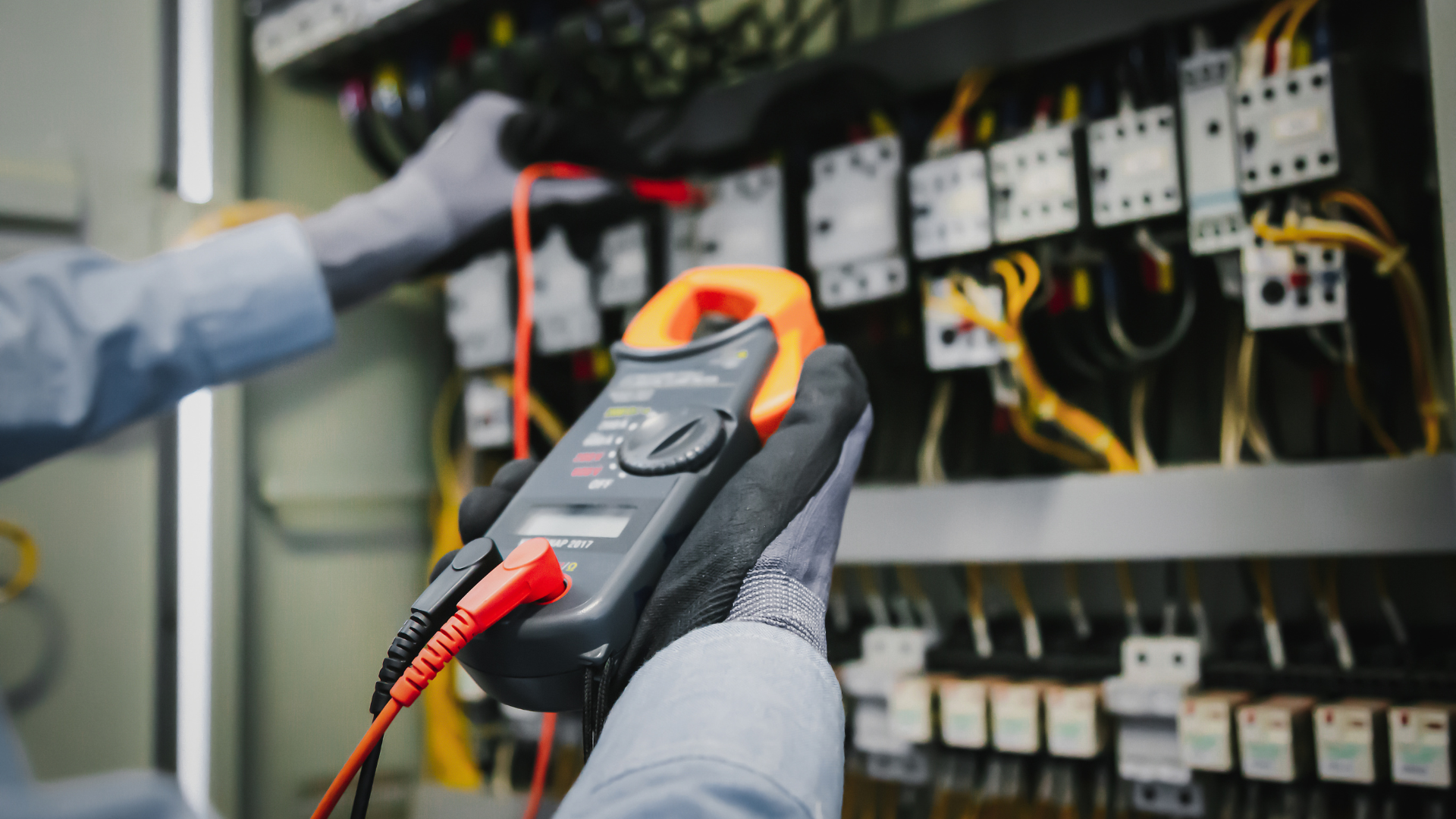
Electrical code violations are not just technicalities. They reflect safety concerns that can affect people and property. Addressing these issues reduces the risk of electrical fires, equipment damage, and personal injury.
At ESD Electric, we help property owners identify and correct common electrical code violations found in older homes and buildings. Through inspections and professional upgrades, we work to improve safety and reliability while helping systems better meet modern standards.